


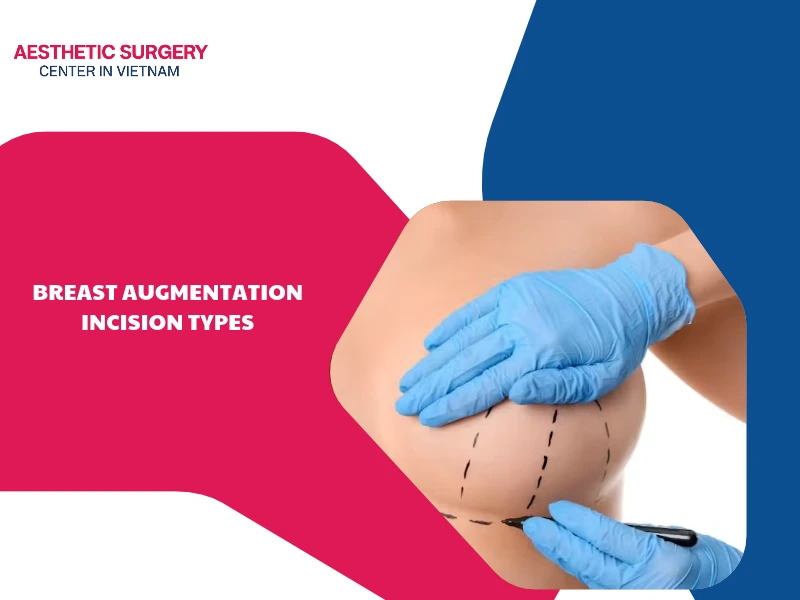
The choice of incision directly dictates the aesthetic outcome, safety, and recovery speed of breast enhancement surgery. Understanding the common breast augmentation incision types—which include the inframammary fold, transaxillary, periareolar, and transumbilical approaches—will help you comprehensively evaluate the pros and cons of each method. Each location features unique anatomical characteristics that significantly impact scar concealment, pocket dissection, and sensation preservation. The detailed clinical analysis below will equip you to confidently make the most suitable decision for your body.
Understanding breast augmentation incisions
In aesthetic breast surgery, the chosen incision allows the surgeon to dissect the pocket and accurately place the implant. This choice not only dictates surface aesthetics (the location and visibility of the scar) but also profoundly influences medical safety, the extent of tissue trauma, and the speed of postoperative recovery.
Choosing the right incision requires careful consideration to ensure both surgical efficacy and patient safety. This decision is governed by several key factors:
- Anatomical characteristics: The underlying skeletal structure, the thickness of glandular breast tissue, skin elasticity, and the prominence of the body’s natural folds.
- Implant properties: The volume (cc), profile, and shell material dictate the incision length necessary to insert the implant smoothly, minimizing the risk of shell distortion or rupture.
- Aesthetic scar concealment: Personal lifestyle, clothing preferences, and the patient’s individual desires regarding postoperative scar placement.
- Preservation of function and sensation: The incision is strategically chosen to minimize interference with the nipple’s sensory nerves and the natural milk ducts.
- Surgeon’s technique and experience: Breast augmentation surgeon assesses which approach provides the clearest visualization of the implant pocket, optimal hemostasis, and the seamless integration of supportive technologies (such as endoscopy).
Common incision locations for breast implants
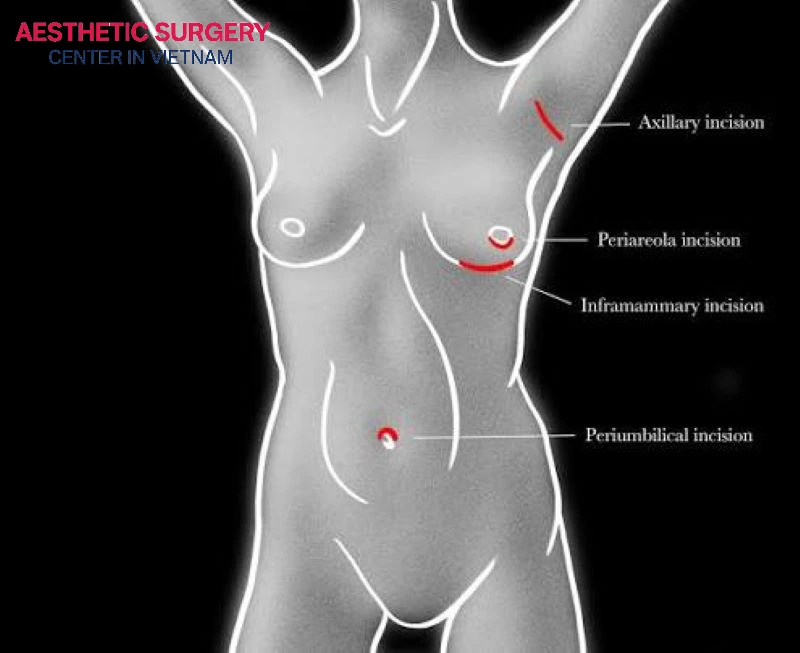
Depending on your anatomy, current breast shape, selected implant type, and scar concealment preferences, a specialist will recommend one of the four common surgical incisions below to ensure safety and optimize your aesthetic results.
Inframammary incision (under the breast crease)
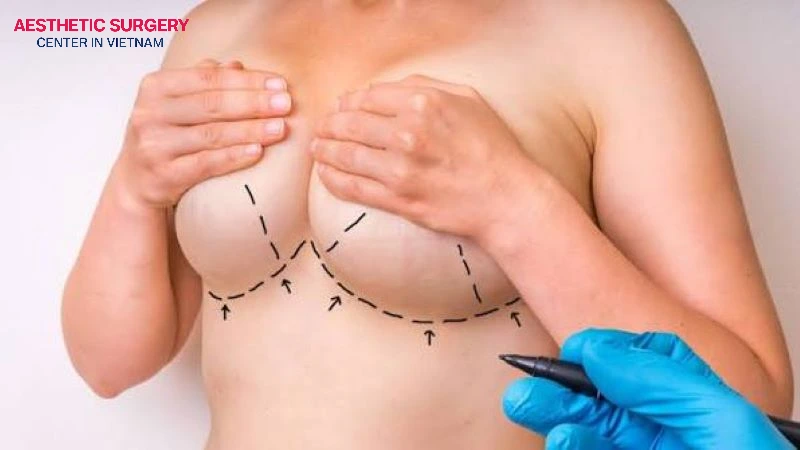
This is the most common and statistically safest approach in breast augmentation, particularly suited for large implants or highly cohesive, form-stable silicone gel implants. The incision is typically 3 to 4 cm long and is discreetly hidden directly within the natural inframammary fold beneath the breast. This provides the surgeon with direct visibility of the surgical field, facilitating precise pocket dissection and accurate implant placement without cutting through glandular breast tissue.
The primary advantage of this method is the swift procedure time, minimal trauma to the sensory nerve network, reduced postoperative swelling and pain, and a scar that naturally fades and blends into the body’s crease over time.
Periareolar incision (around the areola)
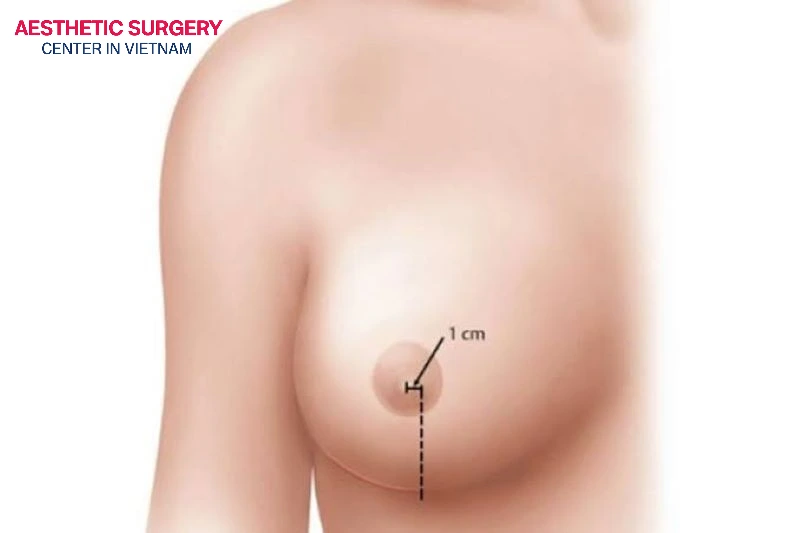
The periareolar incision is an ideal choice when combining breast augmentation with a mastopexy (breast lift) or areola reduction in a single surgical session. The incision is made along the lower half of the areolar border, precisely where the darker areola meets the lighter breast skin, allowing the resulting scar to be cleverly camouflaged.
However, this technique requires the surgeon to dissect directly through the breast parenchyma to access the implant pocket. Consequently, it may slightly alter nipple sensation or affect milk ducts in certain cases, and clinical rates of capsular contracture can be marginally higher compared to the inframammary approach.
Transaxillary incision (through the armpit)
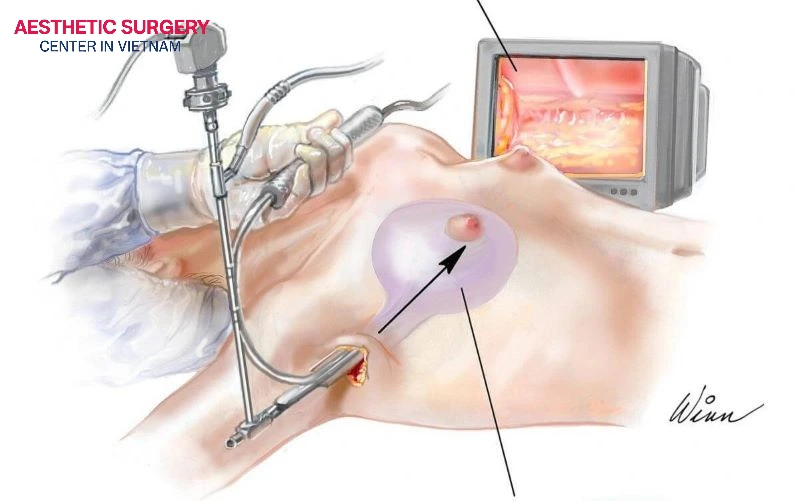
The transaxillary breast augmentation approach is highly favored by many patients because its absolute advantage is leaving no visible scar on the breast itself, preserving the pristine, natural appearance of the bust. Through a small incision hidden within the natural folds of the armpit—often coupled with a specialized endoscope that magnifies anatomical structures on a monitor—the surgeon creates the pocket and safely inserts the implant.
While it offers superior aesthetic scar concealment, this remote dissection technique requires a highly experienced surgeon to ensure precise implant positioning, and patients must heavily restrict strenuous arm movements during the early postoperative period.
Transumbilical incision (through the belly button)
The transumbilical approach, also known as TUBA (Transumbilical Breast Augmentation), is a highly specialized technique that is rarely utilized in modern aesthetic clinics today. In this procedure, the surgeon makes a small incision at the rim of the umbilicus and creates a subcutaneous tunnel leading up to the chest wall to insert an empty breast implant shell. Once positioned, it is filled with sterile saline solution until the desired volume is reached.
Although the scar is completely hidden in the navel, the major drawback is that this method is strictly limited to saline implants. Furthermore, the remote distance of the dissection makes it exceedingly difficult for the surgeon to precisely adjust the chest pocket to create an ideal cleavage and symmetrical breast contour.
Choosing the right incision for your surgery
The decision regarding incision placement is not a one-size-fits-all approach; it must be highly personalized for each patient to ensure flawless aesthetic outcomes and the highest tier of surgical safety.
Factors influencing incision selection
Determining the optimal incision depends on a comprehensive blend of medical variables and actual physical conditions. These include the anatomical characteristics of the chest, the degree of breast ptosis (sagging), skin elasticity, and the size and material of the selected implants.
Additionally, previous surgical history, individual scarring tendencies, and specific scar concealment preferences play a vital role. A thorough evaluation of these variables minimizes complication breast augmentation risks —such as capsular contracture—while fully preserving lactation function and the sensory nerve network of the chest.
Consulting a plastic surgeon
To make an accurate incision choice, you must consult directly with an experienced, board-certified plastic surgeon. Through a clinical examination and precise body proportion measurements, the surgeon will provide an in-depth analysis of the pros and cons of each incision technique based on medical science.
Through this expert consultation, the patient and surgeon will agree upon a personalized surgical plan that meets aesthetic expectations, allowing the patient to proceed with surgery confidently and with a clear understanding of the breast augmentation recovery process.
What to know about recovery and scar care
To ensure optimal healing and minimal scarring following your breast augmentation, it is crucial to adhere to the following post-operative protocols:
Post-operative recovery process
- Adhere to medical regimens: Take all prescribed antibiotics, pain relievers, and anti-inflammatory medications at the correct dosages and times as directed by your physician.
- Rest strictly: Minimize strenuous physical activities and avoid lifting heavy objects. For chest surgeries, avoid raising your arms above your shoulders for at least the first 4 weeks.
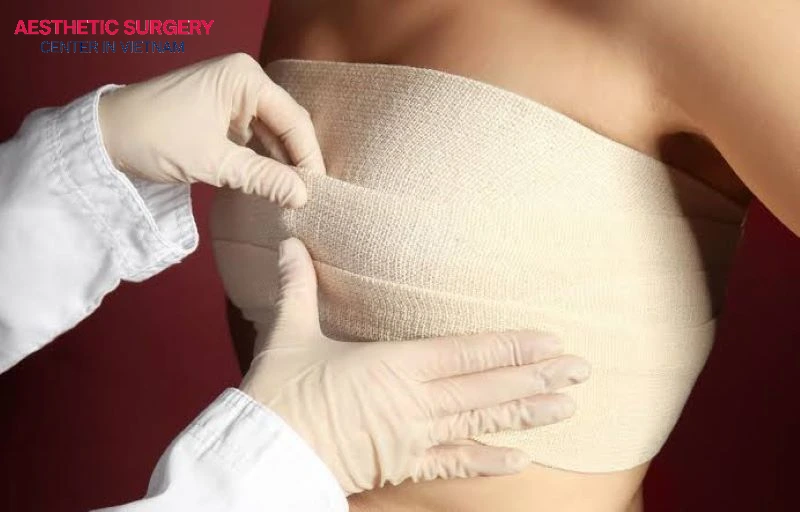
- Use compression garments: Wear a supportive surgical bra or compression band continuously, as instructed, to stabilize the tissue, reduce edema, and prevent fluid accumulation (seroma).
- Monitor clinical signs: Inspect the incision site daily. Contact your doctor immediately if any signs of infection arise (such as worsening pain, swelling, heat, redness, unusual discharge, or fever).
Scar care and fading guide
- Proper wound hygiene: Gently clean the incision with sterile saline or a specialized antiseptic solution. Keep the surgical area meticulously clean and dry.
- Early scar intervention: Apply medical-grade silicone scar gel or silicone sheets as soon as the sutures are removed and the scabs have fully peeled off (never apply these products to open wounds).
- Sun protection: Strictly shield the scar from direct sunlight for at least the first 6 to 12 months. UV exposure can stimulate melanin production, leading to permanent hyperpigmentation of the scar.
- Scar massage: Once the wound has completely healed and stabilized, gently massage the surgical area with a moisturizer to soften fibrous tissue bands and prevent scar contracture.
- Attend follow-up appointments: Strictly adhere to your suture removal and follow-up schedule so your surgeon can evaluate the healing progress and intervene promptly if hypertrophic or keloid scarring develops.
Thoroughly researching and considering the various breast augmentation incision types directly dictates the overall success of the surgery and the long-term aesthetics of your bust. To ensure maximum safety and achieve your desired results, it is imperative to seek consultation at a reputable medical facility or aesthetic hospital. Based on standardized clinical evaluations, experienced plastic surgeons will design an optimal surgical plan, empowering you to confidently attain a full, soft, and naturally beautiful silhouette.
>>> See more: How to prepare for breast augmentation surgery?










Comment on the post