



When choosing between familiar conventional liposuction techniques and advanced laser-assisted SmartLipo technology, which approach offers optimal outcomes for your targeted treatment areas and skin condition? Evaluating smart lipo vs traditional lipo across mechanisms of action, contouring precision, and post-operative downtime will help you make a safe, well-informed aesthetic decision tailored to your anatomy.
What is the difference between SmartLipo and traditional liposuction?
Although both procedures aim to eliminate stubborn fat deposits and sculpt body contours, they differ considerably in surgical methodology and tissue interaction. The comparison table below highlights the key differences between SmartLipo and traditional liposuction:
| Criteria | Traditional liposuction | SmartLipo technology |
| Mechanism | The surgeon uses manual force to move a cannula back and forth, breaking up and aspirating solid fat deposits directly. | Targeted laser energy liquefies adipose cells into an emulsion before gentle, low-pressure aspiration. |
| Skin tightening | Does not stimulate skin contraction; treated areas may experience skin laxity or sagging if baseline elasticity is compromised. | Laser heat stimulates dermal collagen synthesis, promoting noticeable skin contraction and firmness. |
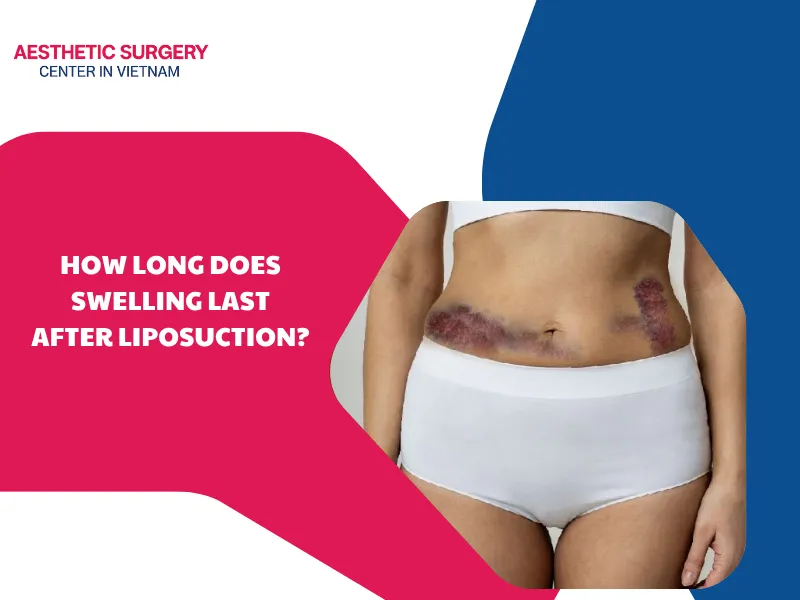
| Tissue trauma | More invasive; causes higher post-op pain, swelling, and ecchymosis due to mechanical friction rupturing microvessels. | Minimally invasive; laser thermal energy coagulates small blood vessels instantly, minimizing bruising, edema, and blood loss. |
| Downtime | Requires 2–4 weeks for acute swelling to subside and 1–2 months for full tissue recovery. | Rapid recovery; most patients resume normal daily activities within 3–7 days. |
| Treatment scope | Optimal for high-volume, dense fat deposits across extensive areas (e.g., entire abdomen, flanks, large thighs). | Ideal for small-to-moderate fat deposits requiring definition or thin-skinned zones (e.g., submental fullness, upper arms, axillary puffs, upper abdomen). |
Primary differences between SmartLipo and traditional liposuction
Comparing smart lipo vs traditional lipo reveals notable variations in procedural technology, tissue response, and the overall liposuction recovery time trajectory. Below are the key distinctions to weigh prior to treatment:
What are the differences in technique and technology?
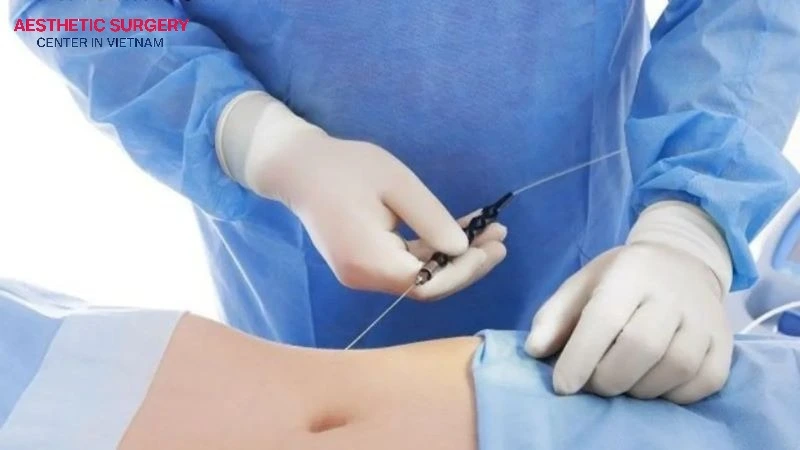
Traditional liposuction requires manual mechanical maneuvers, with the surgeon moving a hollow cannula through the subcutaneous layer to break apart fibrous fat before vacuum extraction. In contrast, SmartLipo introduces an optical fiber emitting targeted laser liposuction wavelengths directly into the adipose tissue. This thermal energy dissolves fat cell membranes into a liquefied emulsion, allowing smooth removal with gentle suction pressure.

Is laser-assisted liposuction more effective at removing fat cells?
In terms of pure volumetric fat extraction during a single surgical session, traditional liposuction remains the benchmark for extensive, dense fat stores across the abdominal wall or thighs. However, SmartLipo provides superior precision and smooth blending in confined, delicate anatomical areas—such as the submental region (double chin), upper arms, or axillary folds—without leaving subcutaneous contour irregularities or rippling.
How does recovery time differ?
The targeted thermal energy in SmartLipo seals surrounding blood vessels upon contact (photocoagulation). This substantially diminishes post-operative bruising and tissue edema, shortening mandatory downtime to approximately 3 to 5 days. Conversely, the mechanical disruption of traditional liposuction causes greater tissue trauma, requiring patients to wear specialized compression garments and undergo clinical monitoring for 2 to 4 weeks.
Does SmartLipo provide better skin tightening results?
SmartLipo has a clear advantage in improving skin elasticity. The controlled thermal energy delivered to the deep dermis and subdermal plane triggers neocollagenesis and elastin remodeling, which encourages natural skin retraction following fat deflation. Traditional liposuction lacks a thermal component; consequently, if baseline skin elasticity is suboptimal, patients face a higher risk of residual loose or wrinkled skin.

Which method is right for you?
When weighing smart lipo vs traditional lipo, your decision should involve more than personal preference. Factors such as localized fat volume, anatomical site, and dermal elasticity play a decisive role. Consider these clinical scenarios:
When is SmartLipo the optimal choice?
SmartLipo is ideal for targeted contouring in small-to-medium focal areas, such as the chin/neck, upper arms liposuction, calves, or regions showing mild skin laxity. It is also well-suited for active individuals seeking minimal recovery downtime, reduced procedural discomfort, and limited post-operative bruising.
When should traditional liposuction be prioritized?
Traditional liposuction provides maximum efficacy when treating large volumes of dense, fibrous fat accumulated over years across the full abdomen, flanks, or circumferential thighs. This option is best suited for candidates with robust baseline skin elasticity who can accommodate a 2- to 4-week recovery period for garment compression and tissue remodeling.

Frequently asked questions about SmartLipo and traditional liposuction
Is SmartLipo safer than traditional liposuction?
SmartLipo is generally considered less invasive with a lower systemic trauma profile, as laser-induced vessel coagulation reduces intraoperative blood loss, post-op ecchymosis, and mechanical tissue trauma. Nonetheless, safety across both modalities depends heavily on surgeon technique and precise thermal calibration to prevent localized thermal injury or skin burns.
Are SmartLipo results permanent?
Fat cells liquefied and aspirated during the procedure are permanently eradicated and do not regenerate in the treated area. However, remaining adipocytes can still hypertrophy (expand in size) if you run a caloric surplus. Maintaining a balanced diet and consistent exercise routine is essential to preserve long-term contouring results.
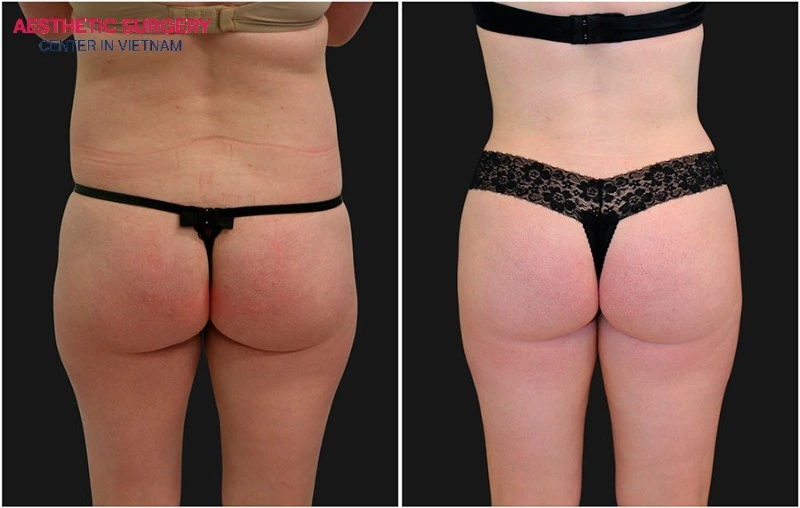
When evaluating smart lipo vs traditional lipo, there is no single technique that serves as the “best” choice for every patient. The right procedure depends on your anatomical structure, target fat deposits, dermal elasticity, and recovery goals. Regardless of which method you choose, selecting a board-certified plastic surgeon with extensive body contouring experience is crucial. Schedule a consultation at an accredited facility to receive an in-depth clinical evaluation and develop a customized treatment plan.
>>> See more: Is Vietnam good for liposuction?


















Comment on the post