



A dorsal hump, also known as a nasal hump, is a structural irregularity of the nasal bones that makes many patients feel insecure about their appearance. With modern technology and advanced techniques, dorsal hump rhinoplasty was developed to reshape the nose so it looks slimmer and more balanced with the face. If you are living with a humped nose and want to feel more confident and attractive, refer to the article below to better understand this procedure.
What is a dorsal hump?
A dorsal hump is a prominent bump on the nasal bridge that creates a convex curve when viewed from the side. It is a structural abnormality involving the nasal bones in the upper part and nasal cartilage in the lower part, causing the nasal bridge to appear uneven and raised rather than straight.
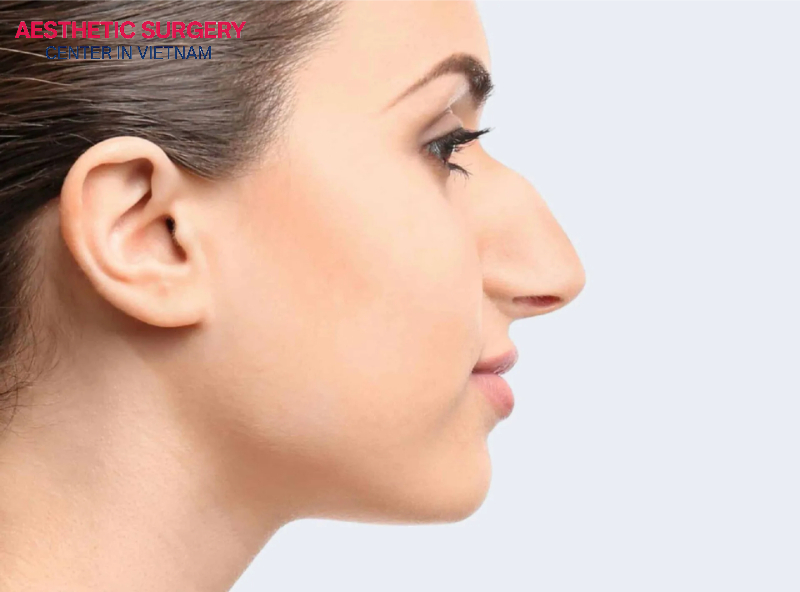
A dorsal hump usually does not harm health or affect breathing. It is mainly an aesthetic concern that makes many patients feel less confident about their nose shape, especially in side-profile photos.
So, why does a dorsal hump appear? Genetics is the most common cause of a raised nasal bridge. It is often seen in certain ethnic groups or families with this nasal feature. In some cases, a dorsal hump can develop after nasal trauma, when the nasal bones or cartilage heal unevenly.
In addition, as patients age, cartilage and soft tissues gradually lose elasticity. The nasal support structure becomes weaker or shifts over time. This can make the nasal bridge appear more prominent than when you were younger.
Benefits of removing a dorsal hump with rhinoplasty surgery
Although a dorsal hump does not affect health, it has a significant impact on facial aesthetics. For this reason, undergoing a reduction rhinoplasty to remove a dorsal hump is considered a top solution for those seeking a smoother nasal profile.
Significant improvement in appearance
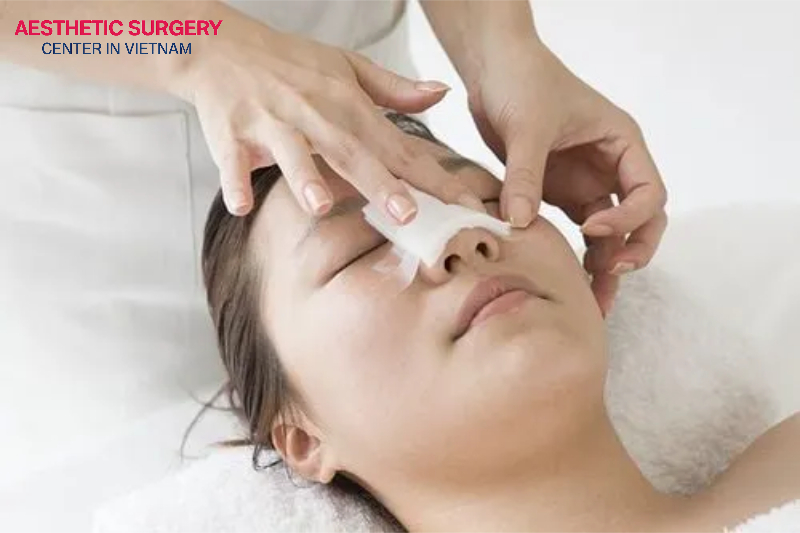
Removing the hump makes the nasal bridge straighter and creates a more refined, balanced side profile. It also improves overall facial harmony, allowing other features such as the eyes, lips, and chin to stand out without being overshadowed by a prominent nasal hump.
Increased confidence
In reality, many patients feel insecure when taking profile photos or facing others directly because a dorsal hump can make the face look harsh. After dorsal hump rhinoplasty, patients often experience a positive change in appearance, which helps boost confidence in daily life and work.
Natural and long-lasting results
Dorsal hump rhinoplasty performed at reputable aesthetic clinics uses modern techniques and is carried out by highly skilled and experienced surgeons. As a result, you can say goodbye to a hump nose and enjoy a refined, well-balanced nasal shape that blends naturally with your facial features. Most importantly, the aesthetic results can last permanently without the hump returning, as many patients worry.

The ideal candidate for dorsal hump reduction
Dorsal hump rhinoplasty is an invasive cosmetic procedure that requires strict criteria regarding age and overall health. Therefore, this method is not suitable for everyone. Let’s see whether you belong to the right group and are an ideal candidate.
- You must be 18 years or older: From the age of 18, the nasal bone and cartilage structure are fully developed. This is an important factor to ensure stable, long-lasting results and avoid changes caused by continued growth after surgery.
- You are in good overall health: You should not have serious medical conditions such as bleeding disorders, uncontrolled diabetes, severe cardiovascular disease, or be pregnant or breastfeeding. You should stop smoking at least 4–6 weeks before surgery and avoid blood-thinning medications for about 1 week before and after surgery to reduce the risk of complications.
- You have a noticeable dorsal hump and want to improve your profile: Dorsal hump rhinoplasty is suitable for patients who feel that the hump makes the nose look heavy or unbalanced from the side view, or who feel less confident about their appearance.
>>> See more: age limit for rhinoplasty
The procedure for removing a dorsal hump with rhinoplasty surgery
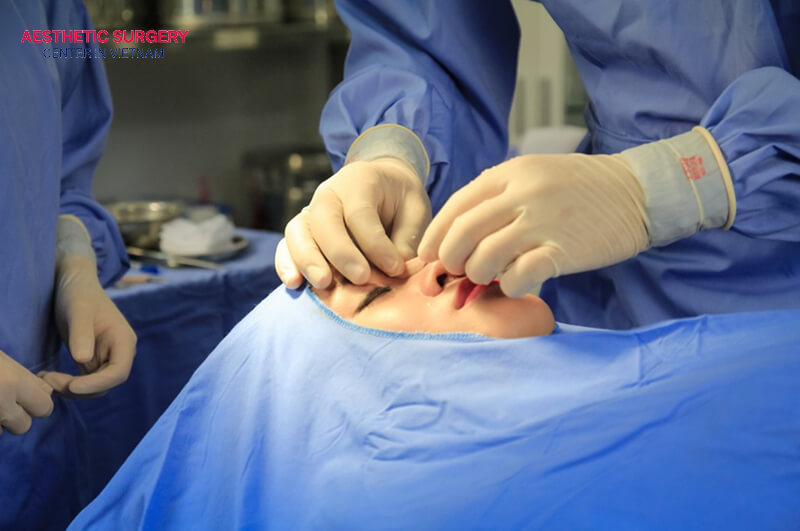
Dorsal hump rhinoplasty is performed carefully and precisely to ensure natural and safe results. The procedure usually lasts from 1 to 3 hours and is done as an outpatient surgery under general anesthesia or local anesthesia with sedation. Below are the main steps of rhinoplasty dorsal hump.
Step 1: Consultation and surgical planning
Before surgery, you will be examined directly by a qualified plastic surgeon. The surgeon will take 2D/3D photos and analyze the nasal structure from multiple angles. This includes measuring the size of the dorsal hump, assessing skin thickness, cartilage and bone structure, nasal function, and discussing realistic expectations.
Based on this evaluation, the surgeon will create a personalized surgical plan. This plan determines how much of the hump will be reduced, whether cartilage grafting is needed to prevent a mid-nasal depression, and which surgical technique is most appropriate.
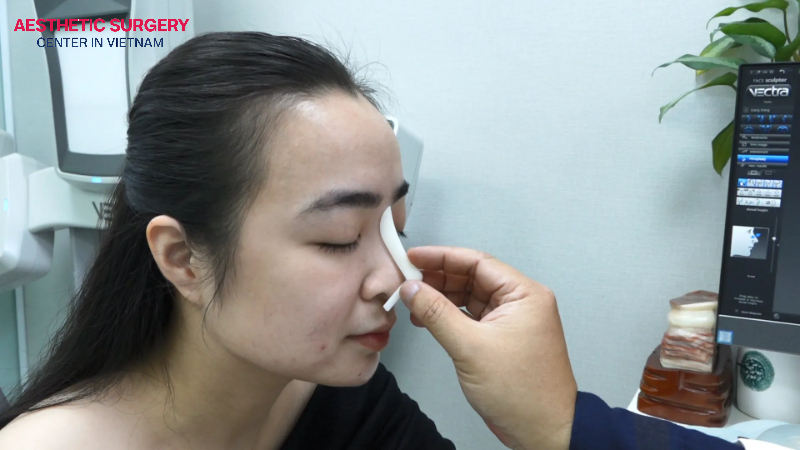
This stage is very important to ensure facial harmony and avoid unnatural results or future complications. You will also receive preoperative instructions, such as stopping blood-thinning medications and smoking.
Step 2: Anesthesia
On the day of surgery, your health will be checked one last time, including blood tests and blood pressure measurement. The procedure is usually performed under general anesthesia or local anesthesia with sedation, depending on the case.
The surgeon will disinfect the nasal area and mark the incision lines. The procedure begins by carefully separating the nasal skin from the underlying structures to fully expose the dorsal hump, allowing precise access without damaging the skin.
Step 3: Separation and reduction of the dorsal hump
The surgeon will separate the lateral nasal cartilages from the septum to treat each component individually. First, the cartilage portion is reduced using a surgical blade, removing it gradually millimeter by millimeter. Then, the bony hump is reduced using specialized rasps to create a smooth and straight nasal bridge.
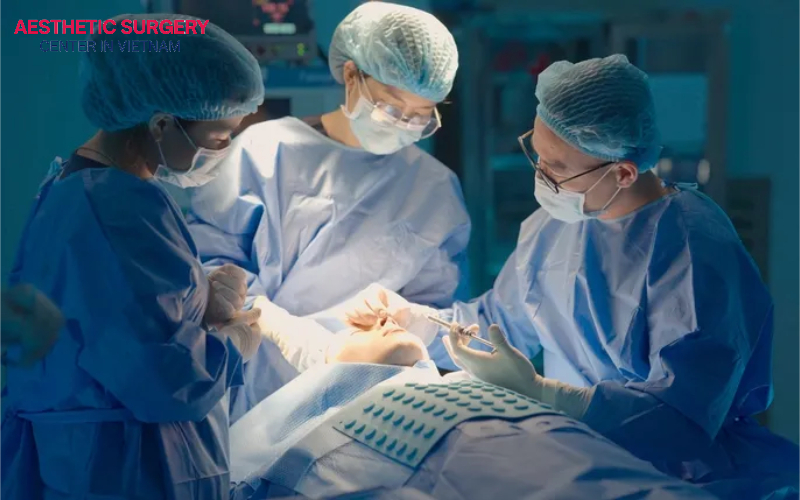
This technique allows precise control, preventing over-reduction that could cause indentation or an open roof deformity. The surgeon will also continuously check by palpation to ensure smoothness and symmetry.
Step 4: Additional refinement and structural stabilization
After reducing the hump, the nasal bridge may appear wider due to the lowered height. Therefore, lateral osteotomy is often performed to narrow the nasal bones and create a slimmer, well-defined bridge.
If necessary, the surgeon may use cartilage grafts from the septum to support the middle vault and prevent an inverted V deformity. In addition, tip refinement, alar reduction, or correction of a deviated septum may be performed if combined. All adjustments are carefully evaluated to ensure proper breathing function and a natural nasal shape.
Step 5: Wound closure and fixation
Finally, the surgeon closes the incision with absorbable sutures. A silicone splint or external dressing is applied to maintain the new shape and reduce swelling. Internal packing or splints may also be placed if needed.
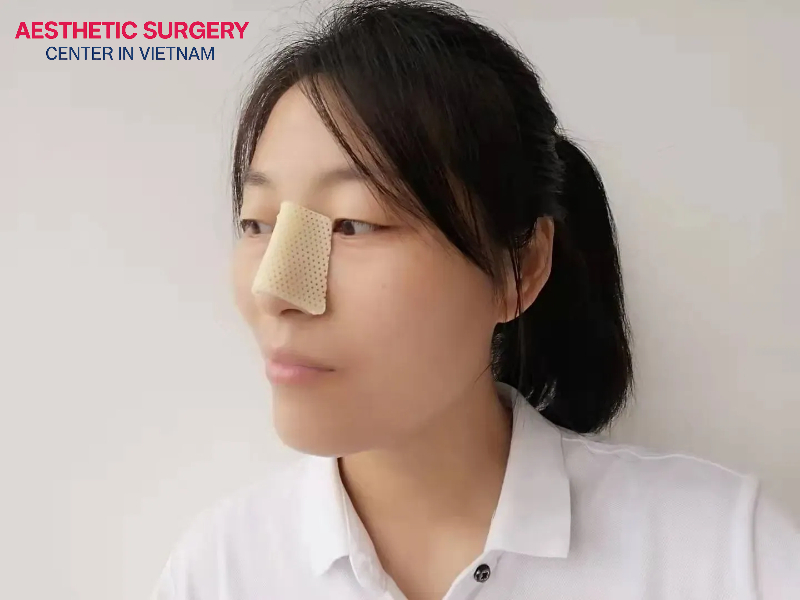
After the dorsal hump rhinoplasty is completed, you will be monitored in a recovery room for a short period before being discharged.
How much does it cost to remove a dorsal hump?
The cost of dorsal hump rhinoplasty in Vietnam typically ranges from USD 800 to USD 3,600, depending on several factors. These include the condition of the nose, the surgical technique used, additional graft materials, the surgeon’s expertise, and the clinic’s reputation.
In some aesthetic centers, the quoted price may also include costs for medical tests, anesthesia, nasal splints, medications, and follow-up visits. In Vietnam, most of these expenses are usually included in the final price, making it easier to plan financially. This is also why many international patients choose Vietnam for rhinoplasty, as it offers international-level quality at a more affordable cost.
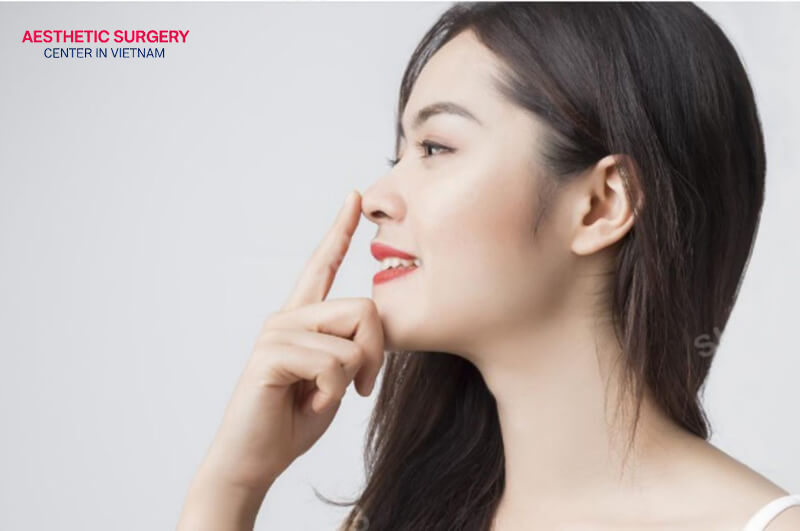
Aftercare and recovery following rhinoplasty surgery to remove a dorsal hump
Postoperative care and recovery after dorsal hump rhinoplasty are crucial to achieve natural results, reduce swelling quickly, and minimize complications. Below are key aftercare guidelines:
- Keep your head elevated and sleep properly: Sleep on your back with your head elevated at a 30–45° angle for at least 1–2 weeks to reduce swelling and bruising around the eyes and nose. Avoid sleeping on your stomach or sides.
- Apply cold compresses for the first 48–72 hours: Use an ice pack wrapped in a clean towel on the eye and cheek areas (not directly on the nasal splint) for 20 minutes on, 20 minutes off. From day 3–4, switch to warm compresses if needed.
- Take medications as prescribed: Use antibiotics, pain relievers, anti-swelling, and anti-scar medications exactly as directed. Do not stop or change doses on your own to avoid infection or delayed healing.
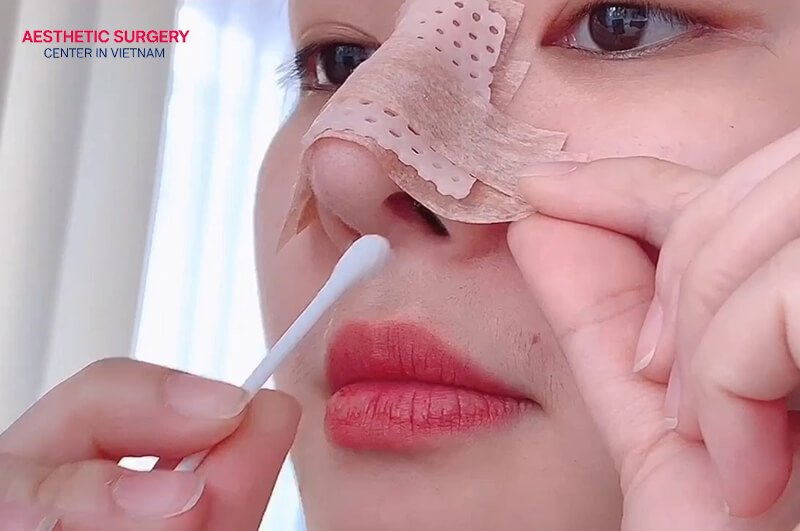
- Clean the nose gently: From day 2–3, rinse the nose with saline spray 3–5 times daily to clear secretions and prevent congestion. Do not blow your nose forcefully; gently clean the outside with a clean cloth.
- Keep the splint and dressings dry: Do not remove the splint yourself (usually kept for 5–7 days). Keep the nose dry while showering. Change gauze under the nose if needed to prevent moisture and infection.
- Avoid impact and strenuous activities: Do not touch, bump, or wear heavy glasses on the nose for 4–6 weeks. Avoid gym workouts, running, swimming, or activities that raise blood pressure for 2–4 weeks. Light walking is encouraged.
- Maintain a healthy diet: Eat soft, easy-to-chew foods during the first week. Avoid water spinach, seafood, chicken, sticky rice, spicy foods, alcohol, and smoking for at least 1–3 months to prevent scarring, infection, or delayed healing.
- Follow up as scheduled: Return for check-ups at 5–7 days for splint removal or suture removal, then at 1 month, 3 months, 6 months, and 1 year. Contact your surgeon immediately if you experience sudden increased swelling, pus, fever, severe pain, or heavy bleeding.
Potential risks and complications of removing a dorsal hump with rhinoplasty surgery
Although this procedure is considered safe when performed by an experienced surgeon at a reputable facility and has a low complication rate, it is not entirely risk-free. Potential risks may still occur due to various factors. Understanding these risks helps you make a careful and informed decision before surgery.
- General surgical risks: Bleeding, infection, or reactions to anesthesia. These are uncommon but can occur, especially if postoperative care is not followed properly or if the patient has underlying medical conditions.
- Common aesthetic complications: Unsatisfactory results such as nasal asymmetry, over-reduction of the hump leading to a depressed nasal bridge, or residual hump.
- Widened middle vault and inverted V deformity: After hump reduction, if the nasal bones are not properly closed or additional cartilage is not used, the mid-nasal area may collapse into an inverted V shape. This can affect appearance and sometimes breathing.
- Breathing issues: Temporary changes, often due to swelling, or more rarely permanent obstruction or septal perforation if deep structures are affected.
- Skin and soft tissue problems: Thin nasal skin may increase the risk of cartilage visibility, hypertrophic scarring, temporary or permanent numbness around the nose, or skin necrosis. These are rare when proper techniques are used. Prolonged rhinoplasty swelling stages or noticeable scars at the incision site may also occur.
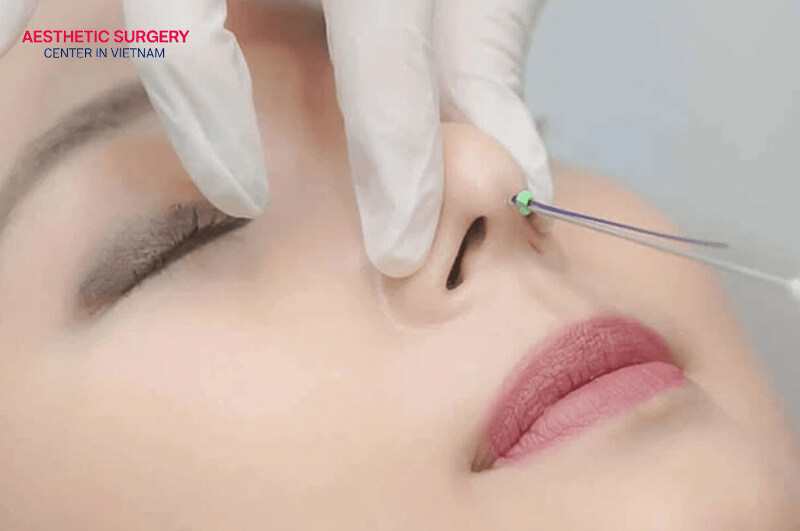
Rhinoplasty dorsal hump address in VietNam
Vietnam has become a popular destination for dorsal hump rhinoplasty among international patients thanks to high quality, reasonable costs, and services tailored for foreign patients. One of the most reputable addresses is Aesthetic Surgery Center in Vietnam.
Aesthetic Surgery has a team of highly qualified and experienced surgeons. They apply advanced techniques to reduce the dorsal hump safely and minimize complications. The clinic is equipped with modern facilities, international-standard sterile operating rooms, and 3D imaging technology for accurate surgical planning. This helps international patients feel confident about safety and long-term aesthetic results.
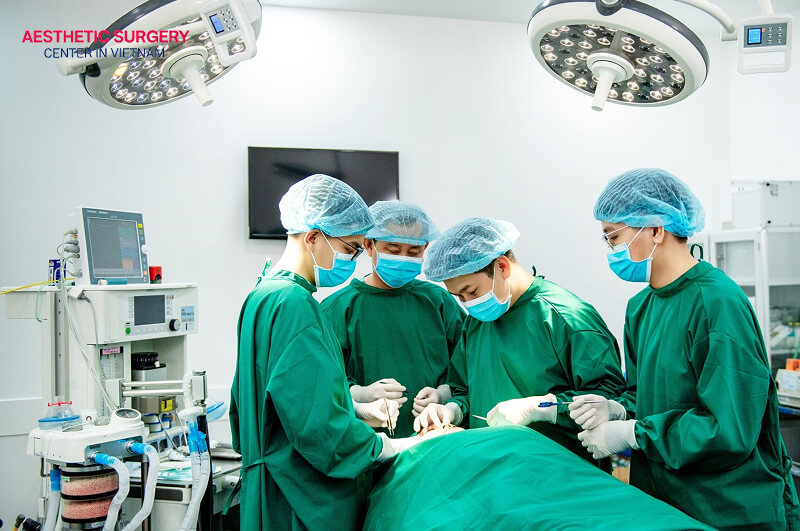
Beyond that, the staff at Aesthetic Surgery are professional and fluent in English, providing attentive support from consultation to post-operative care. The clinic also offers free airport pickup and assistance with hotel bookings for international patients. Many international reviews praise the thoughtful service, naturally straight and smooth results, and competitive costs compared to other countries.
If you are considering this option, Aesthetic Surgery is a reliable rhinoplasty clinic in Vietnam to help you achieve your desired nose shape safely and comfortably.
Dorsal hump rhinoplasty not only helps create a straight, well-balanced nasal bridge but also boosts confidence. Hopefully, this article has helped you better understand rhinoplasty dorsal hump in Vietnam, so you can make a choice that suits both your budget and your nasal condition. Wishing you a harmonious, refined nose and lasting confidence.


















Comment on the post