



The eyes are often described as the “windows to the soul.” They are usually the first feature that draws attention and expresses a person’s overall look. However, not all eyes have the same structure. The eyelid crease plays a key role in creating these differences. From bold single eyelids, charming hidden creases, to large and well-defined double eyelids, each eye shape has its own unique beauty. So, what types of eyelids are there? This article will help you understand the most common eyelid types today.
Current types of eyelids
There are many common eyelid types, each with distinct characteristics. To learn more about these eyelid types, refer to the information below.
Monolid eyes
Monolid eyes are a common inherited trait among East Asians. They are identified by a smooth upper eyelid that extends from the eyebrow to the lash line without a visible crease. From an anatomical perspective, this occurs because the levator muscle fibers do not attach to the underside of the eyelid skin. As a result, the skin is not pulled inward when the eyes open.
This structure is often associated with thicker upper eyelid fat and narrower eye corners, which can make the eyes appear smaller. However, monolid eyes still have a sharp and distinctive beauty.

Double eyelids
Double eyelids are characterized by a clearly defined crease that runs along the length of the upper eyelid margin. This crease is formed by firm attachments between the levator aponeurosis and the eyelid skin. When the eyes open, muscle contraction pulls the skin inward at the crease, creating a visible fold.
Double eyelids increase the vertical opening of the eyes, making them appear larger, more defined, bright, and expressive, while also giving the face a fresher and more radiant look.
Lining
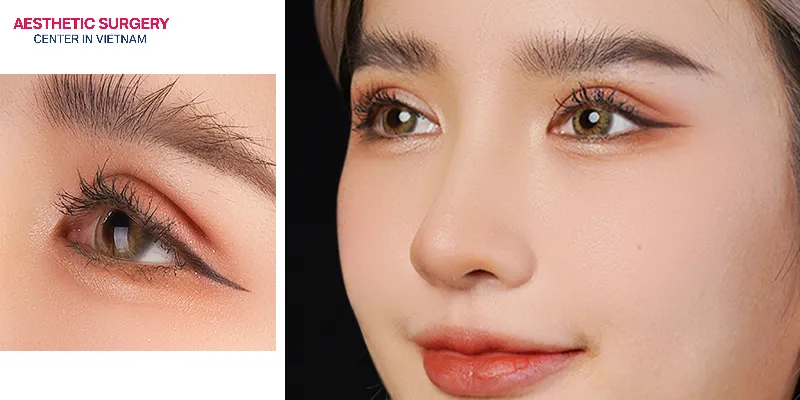
Lining eyelids are a transitional state between monolid and double eyelids. They are common in patients whose eyelid crease is very small or faint. This eye type still has a crease, but it is covered by loose skin above or lies very close to the lash line, making it difficult to see from the front.
These eyelids are often unstable, sometimes appearing as double eyelids and sometimes like monolids, which makes the eyes look less defined compared to well-defined double eyelids.
Droopy eyelids
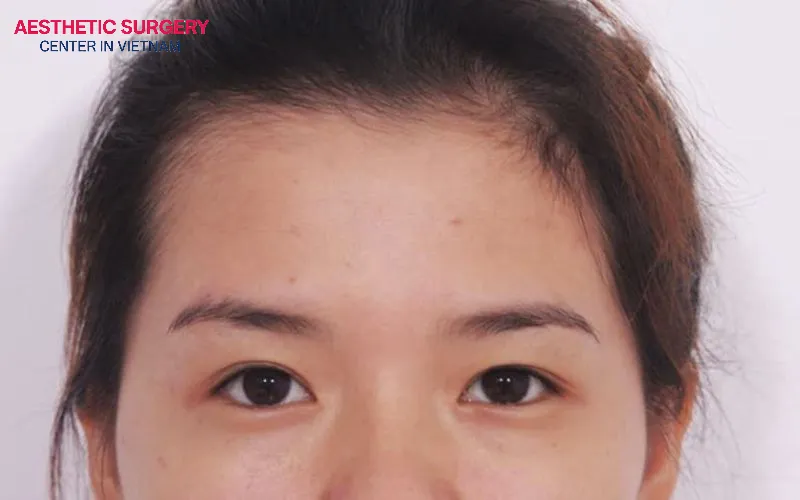
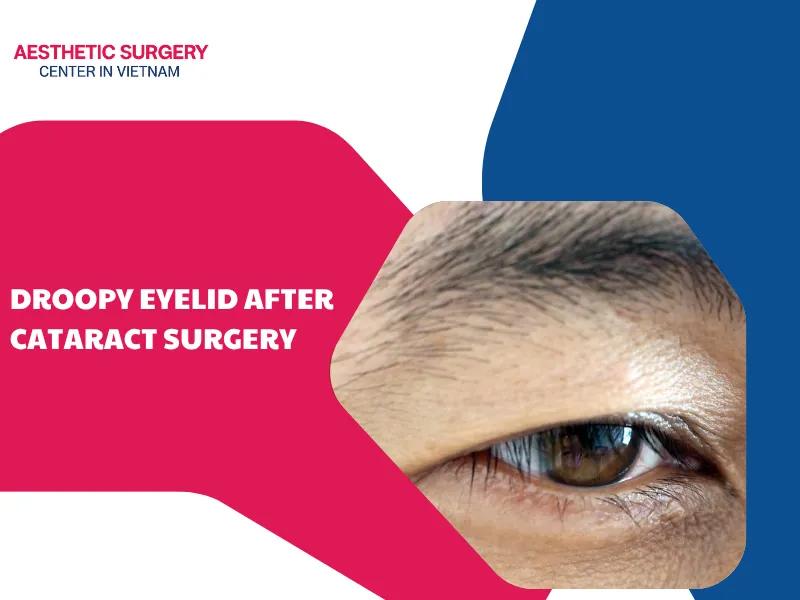
Droopy eyelids, also known as ptosis, are a condition in which the upper eyelid margin and eyelid skin sag lower than normal, partially covering the pupil or completely obscuring the natural eyelid crease. This condition may be congenital, age-related, or caused by nerve damage. Droopy eyelids not only significantly affect appearance, making the face look older, sad, or tired, but in severe cases can also interfere with vision.
Uneven eyelids with many folds
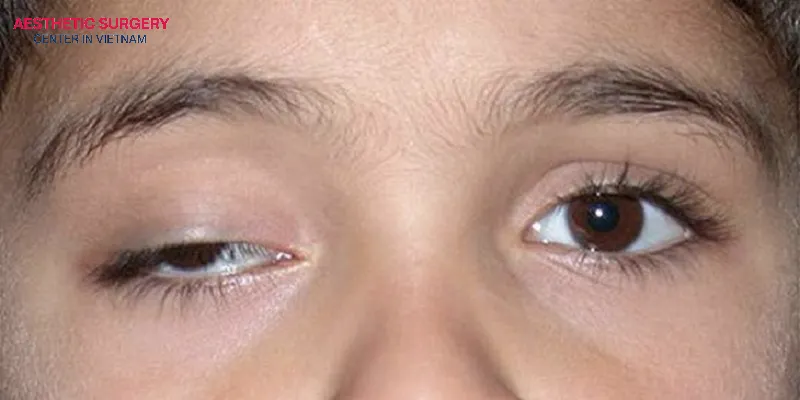
Uneven eyelids with multiple folds occur when more than one crease appears on the eyelid area. This may include triple or quadruple eyelids, overlapping folds, or asymmetry between the two eyes, such as one monolid eye and the other with multiple creases.
The main causes include a lack of subcutaneous fat in the eyelids, age-related skin laxity and loss of elasticity, or the random formation of secondary creases overlapping the main eyelid fold. This eyelid type often makes the eyes look dull or tired and can make eye makeup more difficult due to an uneven skin surface.
Slanted eyelids
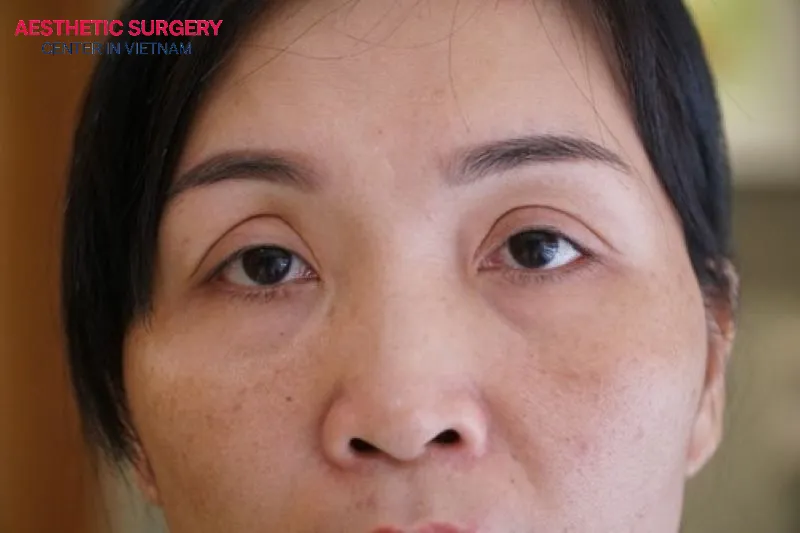
Upturned eyelids are defined by the direction of the eye axis, in which the outer corner of the eye is noticeably higher than the inner corner, sometimes accompanied by a tight epicanthal fold. From an aesthetic perspective, this eye type creates a sharp, strong, and somewhat fierce appearance that may seem less approachable.
Although upturned eyes are sometimes viewed as less favorable in traditional physiognomy, in modern fashion they are often referred to as cat eyes and are highly valued for their seductive, mysterious, and powerful look when styled with the right makeup.

>>> See more: Does blepharoplasty require general anesthesia?
How to fix bad eyelids
To address eyelid concerns such as monolid eyes, droopy eyelids, hidden creases, multiple folds, or deep-set eyes, you can choose solutions ranging from temporary makeup methods to medical procedures, as outlined below.
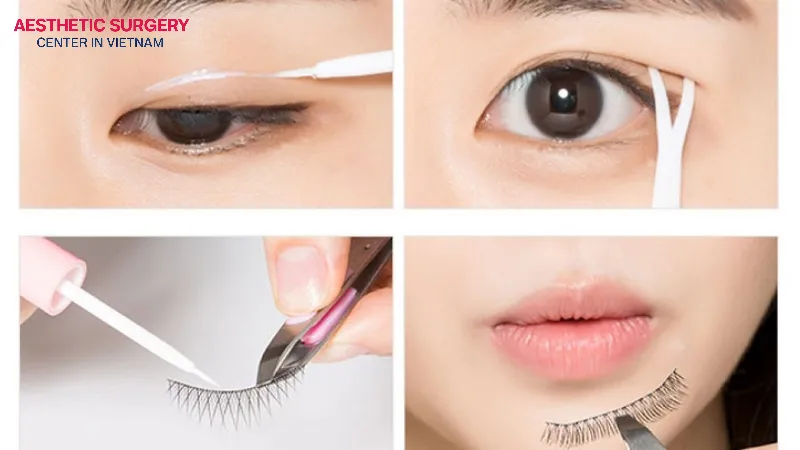
Using Eyelid Tape, Eyelid Glue, and Makeup Techniques
This is the most temporary, quick, and cost-effective solution to improve less attractive eyes. By using eyelid tape or specialized eyelid glue, you can instantly create a visible artificial crease that makes the eyes look larger and more defined. When combined with makeup techniques such as eyeshadow to add depth and eyeliner to adjust eye shape, these methods can help conceal sagging skin or uneven eyelids without any surgical intervention.
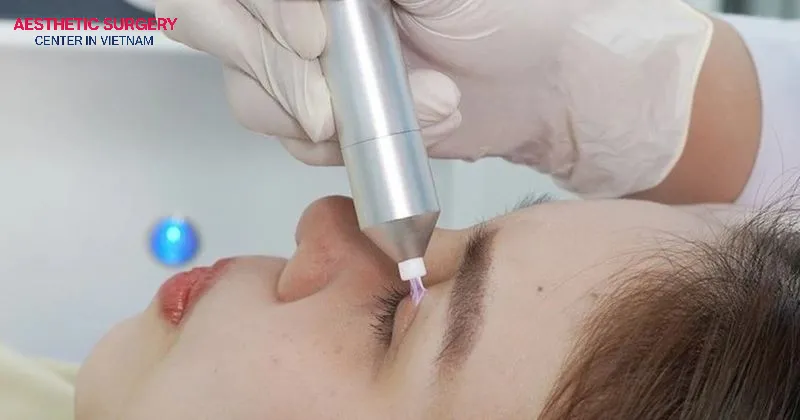
Applying advanced non-invasive technologies
For cases of unattractive eyelids caused by mild aging, early skin laxity, or fine wrinkles, technologies such as Plasma, Laser, or RF waves are optimal options. These methods use heat energy or plasma to tighten aged collagen fibers and stimulate new skin regeneration.
As a result, the eyelid skin is gently lifted, sagging is reduced, and irregular secondary folds are softened, restoring a naturally youthful appearance without scarring or long downtime.
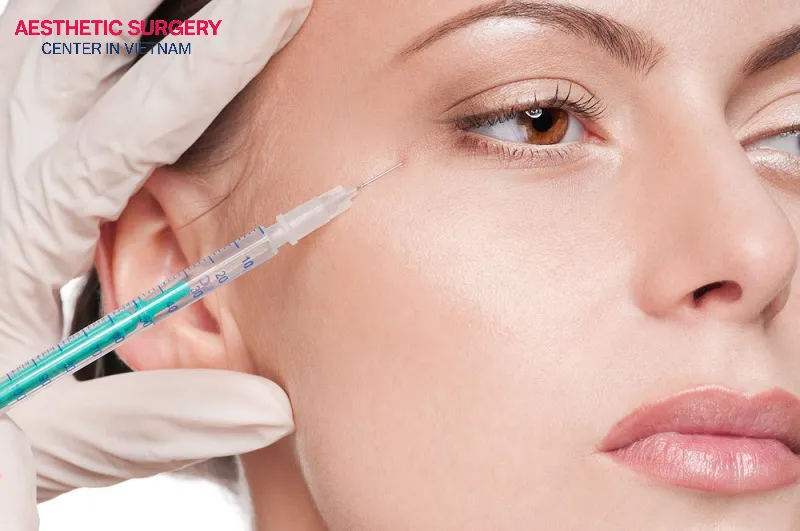
Filler or botox injections
This non-surgical approach is suitable for correcting specific issues related to soft tissue structure. If the eyes appear deeply sunken, exposing the orbital area and causing multiple false eyelid folds, HA filler injections can restore volume, stretch the skin, and smooth out excess creases.
In contrast, if mild droopy eyelids are caused by overactive forehead or brow muscles pulling downward, or if crow’s feet are present, Botox injections can relax these muscle groups. This helps gently lift the brows and makes the eyes look more open and expressive.
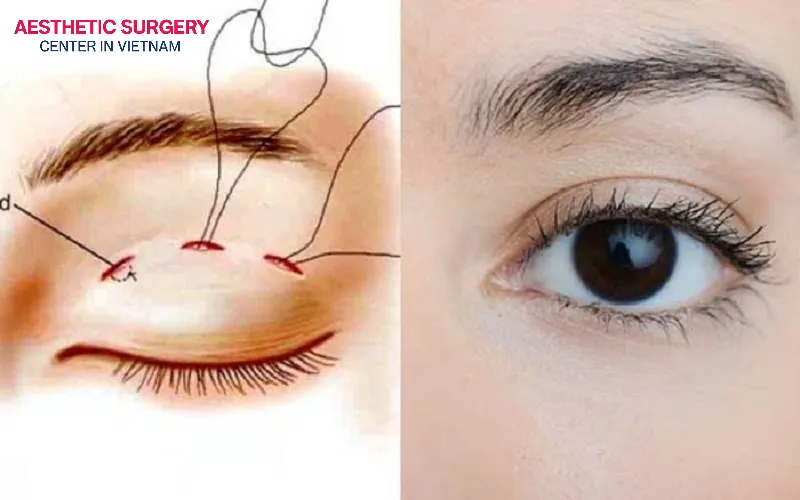
Non-incisional double eyelid surgery
Non-incisional double eyelid surgery is a minor procedure suitable for young patients with good eyelid skin elasticity and little to no excess skin or fat. The surgeon creates connections between the eyelid skin and the levator muscle using fixed biological sutures without making any incisions.
This method helps transform monolid eyes, hidden eyelid creases, or uneven double eyelids into well-defined, balanced double eyelids with a clear crease, offering quick recovery time and minimal swelling.
Incisional double eyelid surgery
This is the most definitive solution to fully restructure eyes with complex imperfections such as significant sagging skin, thick fat pads, severe droopy eyelids, or upturned eyes. Through a fine incision along the desired eyelid crease, the surgeon removes excess skin and fat, adjusts the levator muscle tension if necessary, and then sutures to form a permanent new eyelid crease.
Incisional double eyelid surgery not only creates well-proportioned double eyelids but also provides comprehensive rejuvenation of the eye area.
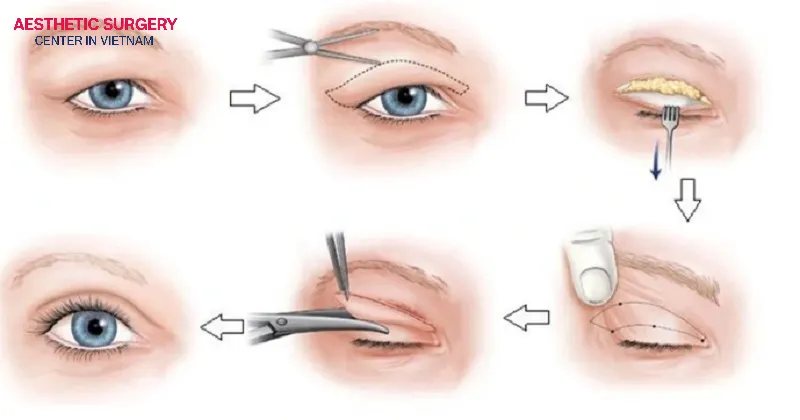
Eyebrow Lift
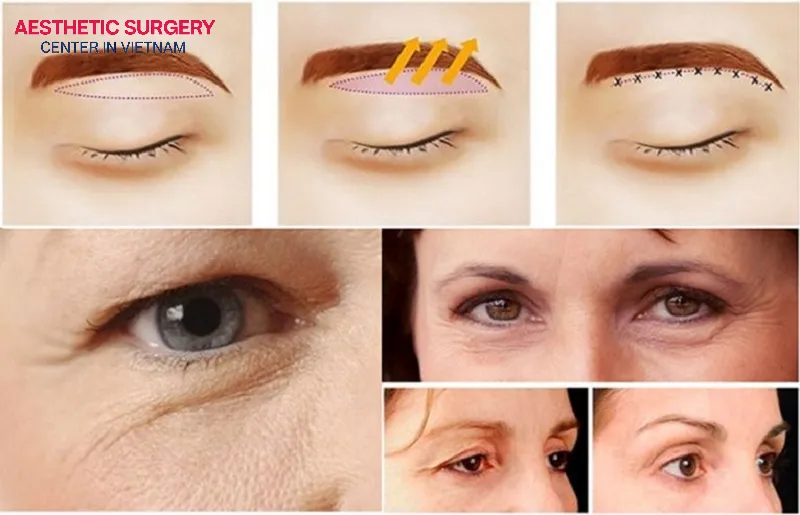
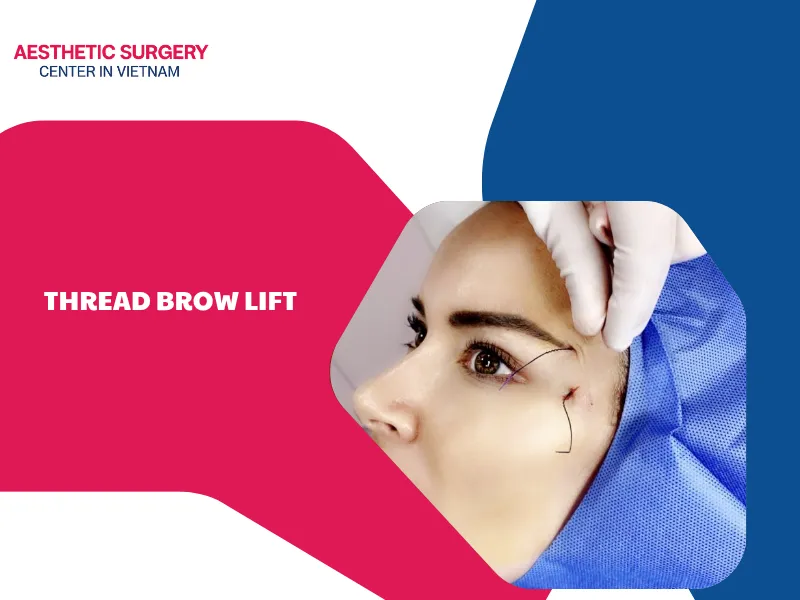
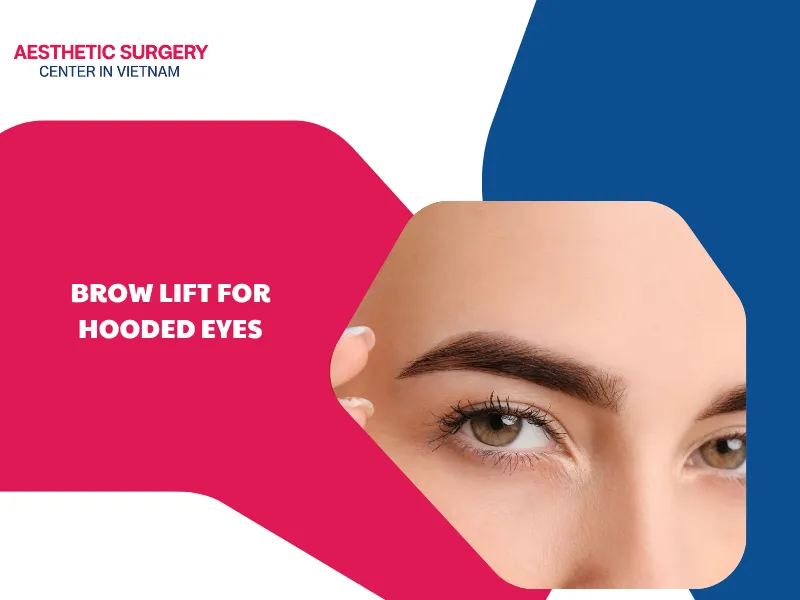
An eyebrow lift, also known as brow lifting, is most effective for cases where unattractive eyelids are mainly caused by sagging brows that push excess upper eyelid skin downward and cover the natural crease. The surgeon removes a small amount of excess skin along the upper or lower edge of the eyebrow to lift and tighten the eye area.
This technique helps restore the natural eyelid crease that was previously hidden while elevating the brow position, giving the face a more refreshed and youthful appearance without directly altering the existing eyelid crease structure.
With the information shared about different eyelid types, you have likely gained a clear understanding of the most common eyelid shapes and can choose a suitable solution for improvement. However, it is important to seek services at reputable facilities with qualified cosmetic surgeons to avoid potential risks. Hopefully, this article has provided you with truly useful information.
>>> See more: Eyelid Stitching vs Eyelid Surgery













Comment on the post