



Experiencing itching after liposuction is a widespread post-operative phenomenon, yet it often leaves patients feeling restless and uncomfortable. In most cases, pruritus stems from the body’s natural response as subcutaneous tissues and nerve fibers regenerate. However, if accompanied by atypical symptoms such as severe irritation or localized infection, careful evaluation is necessary. Read on to discover the exact causes and learn how to safely and effectively soothe the itch.
Is itching a normal part of recovery after liposuction?
Itching is an entirely normal and common physiological response during post-surgical healing. This sensation typically manifests between the 2nd and 4th weeks post-op, signaling that sensory nerve networks beneath the skin are regenerating, connective tissues are healing, and the skin is contracting to conform to its newly sculpted contour.
Unless the itching is severe and accompanied by blisters, spreading rashes, or high fever, there is generally no reason to worry—the tingling sensation will naturally resolve once tissues fully stabilize.
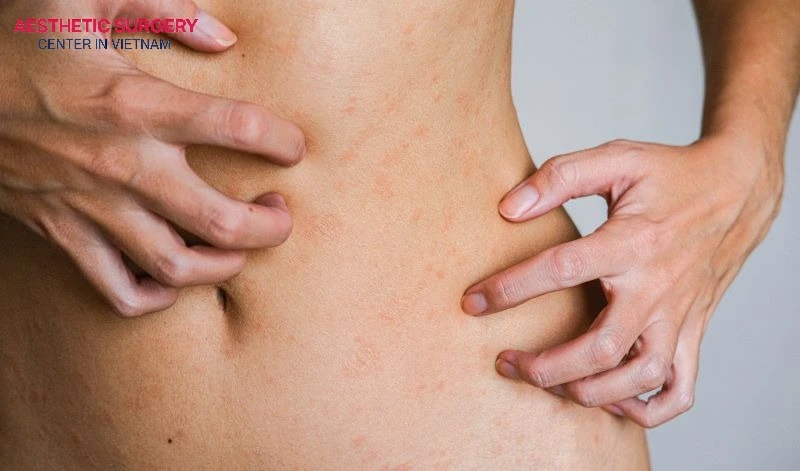
What causes itching after liposuction?
Post-operative itching generally stems from both internal biological healing processes and external physical factors:
Nerve regeneration and deep-tissue healing
Cannula movements during liposuction temporarily disrupt microscopic sensory nerve endings beneath the skin. As liposuction recovery time gets underway, these severed or damaged nerve fibers begin to regenerate, reconnect, and fire new signals. Concurrently, natural histamine release during tissue repair generates a tingling, prickling itch from deep within.
Reactions to compression garments or medical adhesives
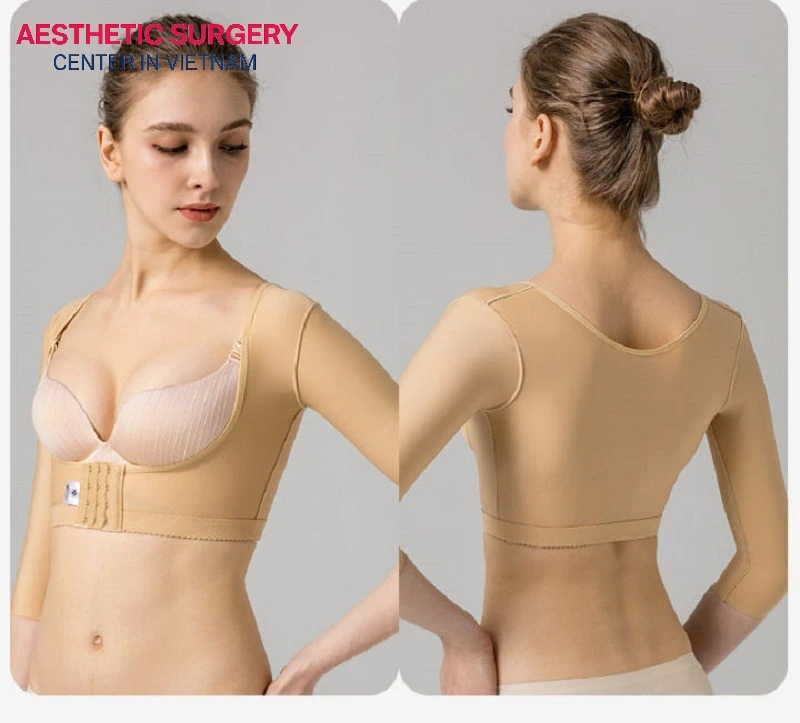
Wearing tight compression garments 24/7 causes sweat and dead skin cells to accumulate, clogging pores and causing friction-induced contact irritation. Furthermore, post-surgical hypersensitive skin can easily develop contact dermatitis from synthetic garment fibers or chemical adhesives used in surgical tape and dressings.
How long does itching last during liposuction recovery?
Itching usually begins between weeks 2 and 4 post-surgery, coinciding with the peak period of tissue remodeling and active sensory nerve regeneration. For most individuals, the tingling sensation subsides after approximately 4 to 6 weeks and disappears completely once the skin stabilizes. However, the timeline may vary depending on individual healing rates, the total surface area treated, and baseline skin sensitivity.
How to relieve itching after liposuction
To relieve frustrating, prickling sensations without irritating delicate healing skin, consider these safe and effective measures:
Take antihistamines as directed
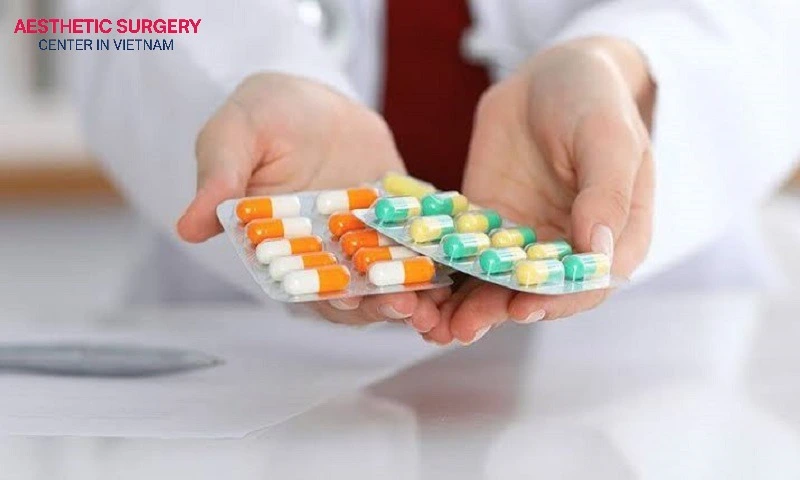
Oral antihistamines block systemic histamine release and calm the internal triggers responsible for itching. Use only the exact dosage prescribed or approved by your treating surgeon, and avoid unapproved over-the-counter medications to prevent unwanted drug interactions.
Apply cold compresses for rapid relief
Cool temperatures temporarily numb superficial sensory nerve endings, interrupting the itch-scratch cycle and helping reduce residual swelling after liposuction. Wrap ice cubes or a cold gel pack in a clean, dry towel and apply gently in brief intervals around the itchy areas; never apply ice directly onto bare skin to avoid cold-induced tissue injury.
Moisturize with surgeon-approved lotions
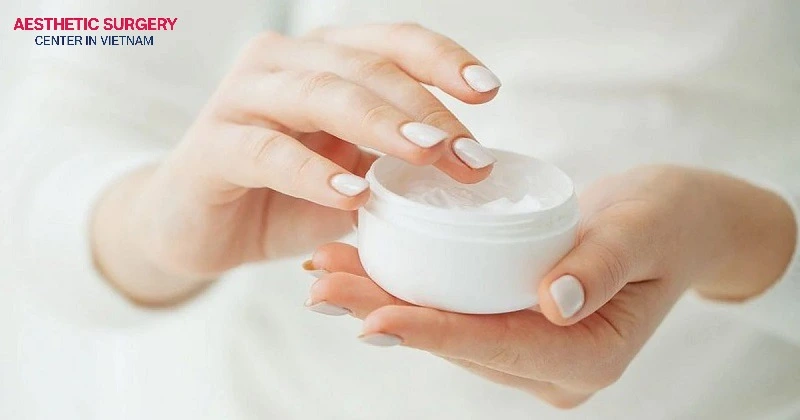
Following liposuction, the skin often becomes dehydrated, rough, and flaky, which can intensify the urge to scratch. Applying gentle, hypoallergenic, fragrance-free moisturizers approved by your surgeon will restore the skin barrier and soften developing scar tissue.
Avoid scratching and keep compression garments clean
Scratching with fingernails can easily cause micro-abrasions, worsen liposuction scarring, and introduce pathogenic bacteria into unhealed incisions. Instead, gently stroke or apply light palm pressure over the compression garment. Regularly wash and completely air-dry your garment to remove built-up sweat, oils, and irritating debris.
When should you contact your surgeon about itching?
While post-liposuction pruritus is usually benign, contact your surgeon promptly if your symptoms are accompanied by any of the following warning signs:
Signs of contact dermatitis or allergic reactions
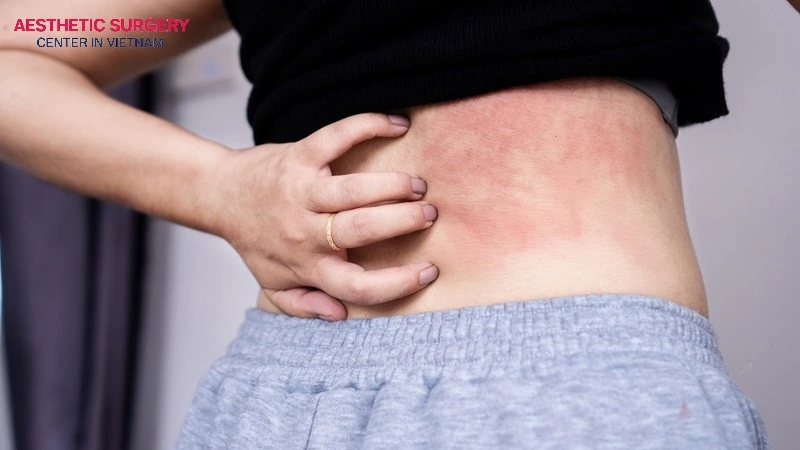
Intense, unrelenting itching that worsens and spreads beyond the treated zones may indicate a medication allergy or contact dermatitis to garment fabrics or adhesives. Seek an evaluation immediately if your skin develops angry red rashes, raised hives, or fragile, fluid-filled micro-vesicles.
Symptoms of surgical site infection
If itching escalates into acute, throbbing pain, localized heat, tight swelling, or if incisions begin weeping cloudy, yellow, or foul-smelling discharge, these are warning signs of soft-tissue infection. This requires urgent medical attention, particularly if accompanied by systemic symptoms such as chills or fever.

Frequently asked questions
Can I apply anti-itch creams after liposuction?
You should only apply soothing moisturizers or topical ointments once incisions have completely closed and with your surgeon’s explicit approval. Never apply hydrocortisone, anti-itch creams, or perfumed products directly over unhealed wounds or fresh incisions to avoid the risk of irritation and secondary infection.
Should I stop wearing my compression garment if it makes me itch?
Do not discontinue wearing your compression garment without medical approval, as doing so compromises skin retraction, increases the risk of seroma formation, and affects your aesthetic contours. To alleviate chafing, wear a thin, seamless, breathable 100% cotton undershirt beneath your compression garment, and consult your surgeon about adjusting the sizing or choosing an alternative hypoallergenic fabric.
Itching after liposuction is an entirely manageable stage of recovery when handled with proper aftercare and professional medical advice. Do not let minor temporary discomfort compromise your long-term aesthetic results. If itching remains severe, persists unusually long, or causes concern, schedule a follow-up consultation with your surgical team to ensure a safe and smooth recovery.
>>> See more: How much weight can you lose with liposuction?











Comment on the post