



Transaxillary breast augmentation is a method to achieve full, attractive breasts. Among current breast enhancement techniques, underarm breast augmentation combined with endoscopy is highly valued by experts for its safety and aesthetic results. Unlike periareolar or inframammary approaches, the incision through the armpit allows the surgeon to place the implant under the pectoral muscle while minimizing interference with the mammary glands and sensory nerves. So, what exactly is underarm breast augmentation? How is the procedure performed, and who is the ideal candidate? This article provides a detailed explanation.
What is transaxillary breast augmentation?
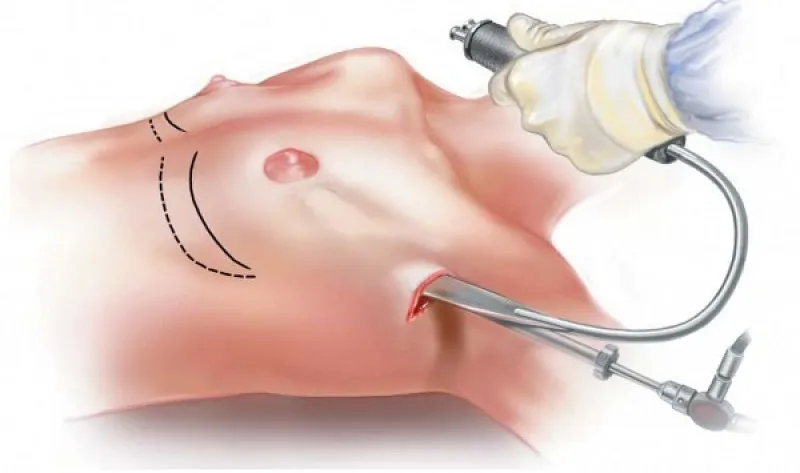
Transaxillary breast augmentation, also called endoscopic underarm breast augmentation, is a cosmetic surgery method that increases breast size by inserting a saline breast implant into the chest cavity through an incision in the armpit.
This is a “hidden incision” technique, as no cuts are made directly on the breasts. Thanks to this feature, it has become one of the most popular breast augmentation methods today, offering high aesthetic value and many advantages over traditional breast surgery techniques.
Patients for transaxillary breast augmentation should be in good health and free from medical conditions that could pose a risk during surgery.
Should you choose underarm breast augmentation?
Like other breast augmentation methods, transaxillary breast augmentation has several advantages but also comes with some disadvantages. Before deciding, it’s important to understand both the pros and cons of this method.
Advantages:
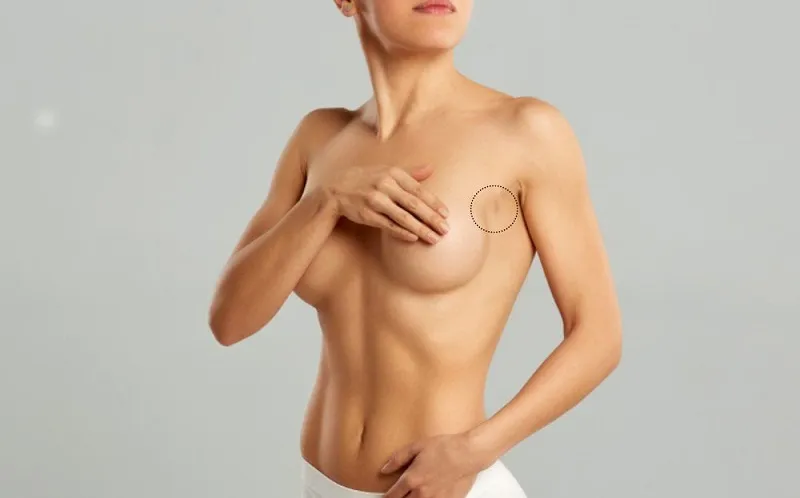
- Minimal visible scarring: This is the biggest advantage of transaxillary breast augmentation. Since the incision is hidden deep in the armpit and follows a natural skin fold, the scar is barely visible once healed, leaving the breasts completely free of surgical marks.
- Safe for breastfeeding: The incision goes from the armpit under the chest muscle and does not touch the mammary glands. Women can safely breastfeed normally afterward.
- Preserves breast tissue and nipple sensation: Because the procedure is performed through the armpit and the implant is placed under the muscle, and with the help of specialized endoscopic tools, the surgery avoids cutting through milk ducts or sensory nerves in the nipple. This minimizes the risk of losing nipple sensation, which is especially important for women who have not had children or plan to breastfeed.
Despite its advantages, this method still has some limitations that you should be aware of:
- Slower recovery of arm movement: Because the incision is in the armpit and involves the arm muscles, you may feel pain and difficulty raising your arms during the first 1–2 weeks. Simple tasks like dressing or combing your hair may be challenging.
- Technically demanding, depends on the surgeon: The path from the armpit to the breast is quite long, requiring endoscopic surgery. If the surgeon lacks experience, creating the breast pocket may be inaccurate, leading to asymmetry or implant displacement.
- Difficult to manage complications: If revision surgery is needed later (e.g., adjusting the implant or controlling bleeding), the old armpit incision may be hard to use, requiring a new incision, usually along the inframammary fold or around the areola.
- Scar visibility with sleeveless tops: While scars are well-hidden from the front, wearing sleeveless tops and raising your arms can reveal the armpit scar, especially if you are prone to keloids or the closure was not neat.
Based on these pros and cons, you can make an informed decision for yourself.
Transaxillary breast augmentation procedure
To understand how transaxillary breast augmentation is performed, you can follow these steps:
Step 1: Consultation and examination
A specialist will examine your chest structure, current breast tissue, and skin elasticity. Based on your preferences and measurements, the surgeon will help you determine the ideal breast augmentation size and recommend the appropriate implant type and placement to ensure symmetry and harmony with your body. During this phase, the surgeon uses 3D imaging or physical sizers to help you visualize how different volumes will look relative to your frame. Be sure to provide full information about your health, underlying conditions, and medications you are taking.
Step 2: Preoperative tests
To ensure absolute safety before surgery, patients must undergo a thorough health check.
This includes blood tests, blood pressure measurement, electrocardiogram, chest X-ray, and drug allergy testing. These help screen for potential issues such as heart disease, diabetes, high blood pressure, or clotting disorders.
If any health indicators are abnormal, or if the patient is pregnant or menstruating, the surgery will be postponed or canceled to avoid breast augmentation risks.
Step 3: Anesthesia
Because breast augmentation is an invasive procedure, a specialist anesthesiologist will administer general anesthesia to ensure the patient is fully asleep and feels no pain or fear during surgery. The anesthesia dosage is carefully monitored with advanced equipment to maintain stable vital signs (heart rate, oxygen levels), allowing the surgeon to perform precise dissection without interruptions.
Step 4: Implant placement
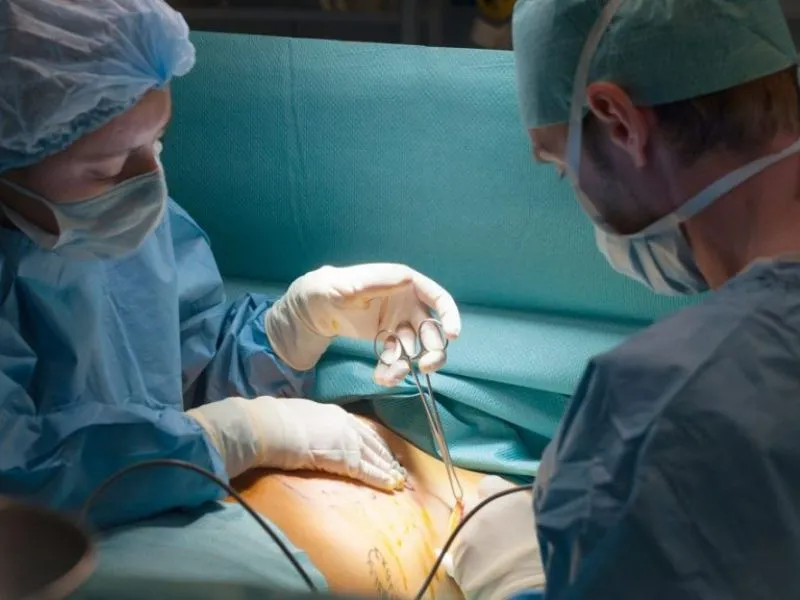
This is the most technical step. The surgeon makes a small 2–3 cm incision along a natural fold in the armpit, then inserts an endoscopic device with a tiny camera. The camera magnifies the chest cavity onto a large monitor, enabling precise creation of the implant pocket (usually under the pectoralis major muscle) while minimizing bleeding and avoiding nerve damage.
After creating the pocket, the breast augmention vs implants is inserted, and the surgeon carefully adjusts it to ensure it sits in the center, making both breasts symmetrical, the cleavage naturally narrow, and preventing any shifting.
Step 5: Closing the incision
After placing the implant and carefully checking the breast shape, the incision in the armpit is skillfully closed using specialized aesthetic sutures or skin adhesive.
The suturing technique is crucial for postoperative aesthetics. The surgeon hides the stitches along the natural armpit fold so the scar gradually fades and becomes barely noticeable. Finally, a drainage tube may be placed if needed to remove excess fluid, and the patient wears a specialized compression garment to maintain breast shape, reduce swelling, and protect the surgical results.
Postoperative care for breast augmentation
Taking care of your breasts after surgery is very important and greatly affects the aesthetic results. Here are some key points to keep in mind:
Get enough rest
After major surgery, your body needs time to recover energy. You should rest completely for at least the first 5–7 days and avoid heavy activities. Especially with the transaxillary incision, it’s important to limit arm movements; do not raise your arms too high, lift heavy objects, or ride a motorbike during the first 2 weeks to avoid affecting the incision or the position of the breast implants.
The best sleep after breast augmentation position is on your back with pillows to elevate your upper body and reduce pressure on the chest. Do not sleep on your stomach or side, as this can compress the breasts and shift the implants before they stabilize.

Wound care
To prevent infection and minimize scarring, the incision area must be kept completely clean and dry. Each day, gently clean the wound with saline solution (0.9% NaCl) and change the dressing as instructed by your nurse, avoiding direct contact with water or soap.
You should also take antibiotics and painkillers exactly as prescribed by your surgeon and avoid applying any scar creams to the wound until the skin has fully healed.
Diet and nutrition
Proper nutrition helps speed up healing but can also affect scarring if not managed carefully. You should drink at least 2 liters of water daily and eat plenty of green vegetables and fruits rich in vitamin C to boost your immunity.
On the other hand, avoid foods that may cause swelling, pus, itching, or keloid scars, such as beef, chicken, seafood, sticky rice, water spinach, and stimulants like alcohol, beer, and tobacco for at least the first month, or until your surgeon allows a normal diet.

Wearing a compression garment
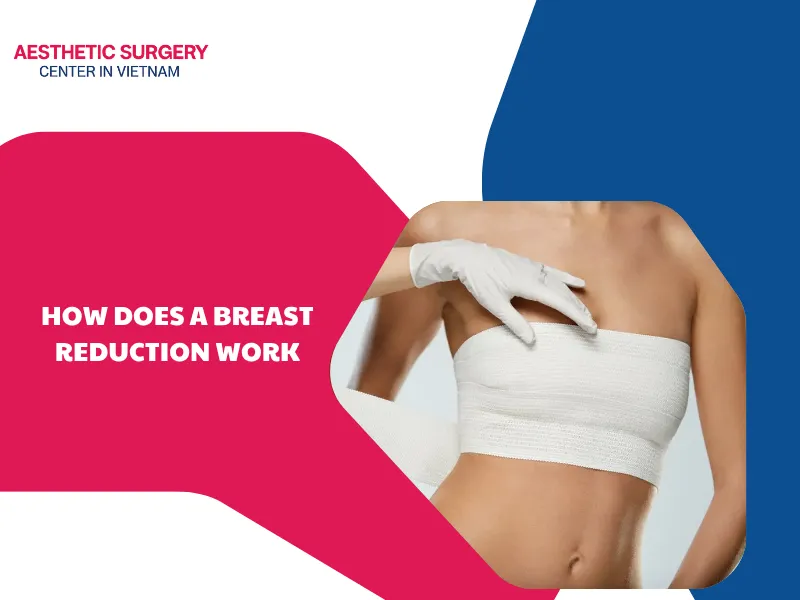
This is a key factor that determines the shape of the cleavage and the symmetry of the breasts afterward. You must wear a specialized compression garment 24/7 during the first 4–6 weeks to keep the implants in the correct position, prevent shifting, and reduce swelling quickly.
Removing, loosening, or wearing the garment incorrectly too early can cause the implants to move (especially upward or toward the armpits), resulting in uneven breasts and a distorted Y-line cleavage.
>>> See more: When can I sleep without a bra after breast augmentation
Transaxillary breast augmentation is a natural method that leaves no scars and ensures safety for the patient. However, to achieve satisfactory results, ensure safety, and prevent risks, you need to choose a reputable clinic with highly skilled surgeons and strictly follow all post-operative care instructions.















Comment on the post