



An overly large bustline causes more than everyday inconvenience—it frequently triggers chronic neck, shoulder, and spinal pain. Today, Breast reduction surgery for back pain relief (reduction mammaplasty) is widely recognized by medical professionals as an effective clinical solution to resolve these issues. This procedure restores a balanced, proportionate silhouette while addressing the root causes of musculoskeletal distress.
How does breast reduction relieve back pain?
Breast reduction surgery for back pain relief works by surgically excising excess glandular tissue, adipose tissue (fat), and redundant skin, significantly decreasing the overall weight of the breasts. When the breasts are disproportionately large, excessive anterior weight shifts the body’s natural center of gravity forward. To compensate, the spine, postural muscles, and upper back must exert continuous effort to maintain an upright posture, leading to chronic muscle strain and persistent aches.
By restoring the bustline to a lighter, well-proportioned size, the procedure realigns the body’s natural center of gravity and alleviates compressive stress on the musculoskeletal framework and neural pathways. Relieved of this constant strain, patients experience prompt relief from chronic upper back and neck tension, reducing the long-term risk of postural kyphosis and progressive spinal degeneration.
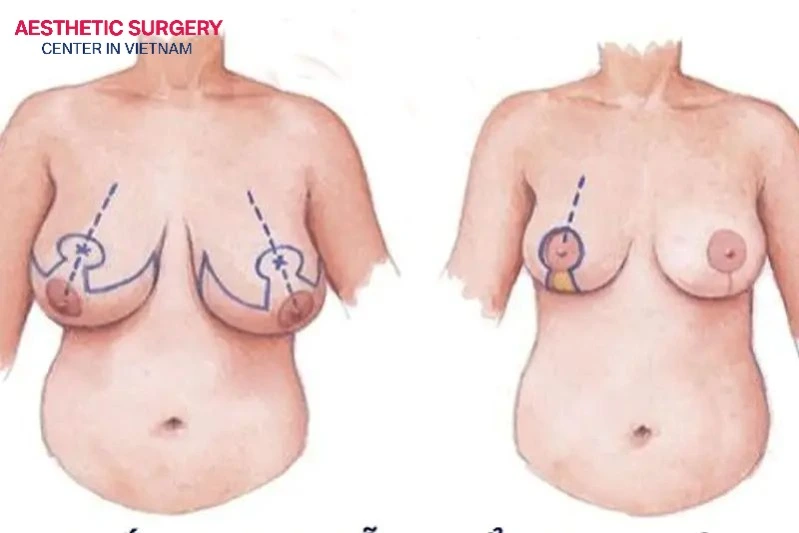
The link between breast size and spinal health
Breast volume directly influences biomechanical balance and spinal ergonomics. Understanding these mechanics highlights why maintaining a proportionate breast size is vital for long-term musculoskeletal wellness.
Impact on posture and center of gravity
Macromastia (breast hypertrophy) pulls upper body mass forward, altering normal spinal alignment. To maintain balance during daily tasks, individuals frequently compensate by leaning backward or rounding their shoulders forward, creating poor postural habits.
Over time, this compensatory strain distorts natural spinal curvature, contributing to rounded shoulders, forward head posture, and sustained tension across the trapezius, levator scapulae, and rhomboid muscle groups.
Relieving stress on the musculoskeletal system
Excess breast weight places continuous mechanical stress across the entire upper kinetic chain, particularly targeting the cervical and thoracic vertebrae. Long-term anterior loading accelerates wear on articular cartilage and intervertebral discs, increasing the likelihood of early degenerative disc disease and nerve root compression.
Reducing breast volume removes this mechanical load, allowing musculoskeletal structures to relax, minimizing joint friction, and preventing secondary spinal complications.

Who is an ideal candidate for breast reduction due to back pain?
Reduction mammaplasty is an individualized clinical intervention indicated when excessive breast volume impairs daily physical function and quality of life. The procedure is well-suited for individuals experiencing:
- Breast hypertrophy (macromastia): Disproportionately large breasts associated with persistent upper back, shoulder, or neck pain, or peripheral numbness down the arms, that fails to improve with conservative care such as analgesics or physical therapy.
- Postural and spinal complications: Visible postural changes, chronic hunching, or early cervical/thoracic spinal degeneration driven by excessive anterior weight.
- Soft-tissue shoulder grooving: Deep, painful indentations, skin irritation, or bruising along the shoulders caused by brassiere straps bearing excessive weight, occasionally impinging superficial nerves.
- Persistent intertrigo: Chronic rashes, maceration, or fungal infections within the inframammary fold that resist conservative dermatologic management.
- Good general health: Fully developed breast tissue (typically 18 years of age or older), stable overall health, and no medical conditions that contraindicate general anesthesia or surgical intervention.

Understanding insurance coverage for breast reduction
Because Breast reduction surgery for back pain relief is clinically classified as reconstructive rather than purely cosmetic, private health insurance or medical coverage plans often cover part or all of the surgical costs when medical necessity criteria are met.
Required medical documentation
To establish medical necessity over elective cosmetic intent, a well-documented patient chart is required. Insurance carriers typically require:
- A formal diagnosis of macromastia or breast hypertrophy.
- Clinical documentation detailing chronic neck, back, or shoulder pain lasting at least 6 months.
- Records proving conservative treatments—such as physical therapy, chiropractic adjustments, oral anti-inflammatory drugs, or supportive bras—failed to provide adequate symptom relief.
- A detailed letter of medical necessity from a board-certified plastic breast reduction surgeon, including calculated tissue resection weights (often referencing the Schnur Sliding Scale) and an explanation of how surgery will resolve functional impairment.
Steps to secure insurance pre-authorization
- Step 1 – Medical Examination and Clinical Diagnosis: Schedule a consultation with a rheumatologist, orthopedist, or neurologist to determine the underlying cause of your back pain. Concurrently, consult with a board-certified plastic surgeon to develop a breast reduction surgical plan and ensure all symptoms are officially documented in your clinical records.
- Step 2 – Review Your Current Insurance Policy: Proactively reach out to your insurance provider to review policy terms in detail. Confirm whether “medically necessary breast reduction surgery” is an eligible benefit and identify all mandatory criteria or prerequisites.
- Step 3 – Compile Evidence of Prior Treatments: Gather all supporting medical documentation, including spinal X-rays, records or prescriptions of pain medications used, receipts/attendance logs from physical therapy sessions, photographs documenting skin irritation or lesions beneath the breasts (if applicable), and referral letters from your treating physicians.
- Step 4 – Submit a Prior Authorization Request: Coordinate with the clinic or hospital billing department to submit the complete medical dossier alongside a formal “Letter of Medical Necessity” written by your plastic surgeon to the insurance company prior to undergoing the procedure.
- Step 5 – Monitor Status and Handle Appeals: Await the insurance carrier’s review decision (which typically takes anywhere from a few weeks to a month). In the event of a denial, you and your surgeon have the right to provide supplemental medical documentation, clinical imaging, or detailed measurements and submit an appeal to request a reconsideration of the decision.
>>> See more: Does insurance cover breast reduction?

Timing and key surgical considerations
Preparation and realistic expectations are essential for a smooth surgical experience, safety in the operating suite, and an uncomplicated recovery after breast reduction.
Determining the target breast size for pain relief
The postoperative size is calculated using biological metrics, including height, weight (BMI), chest wall width, and shoulder frame.
Rather than aiming for an arbitrary cup size, the surgeon estimates the specific volume of parenchyma and adipose tissue to resolve to decompress spinal nerve roots and postural muscles. The surgical plan also accounts for nipple-areolar complex viability and sensation, aiming for a lighter, functional, and aesthetically harmonious contour.
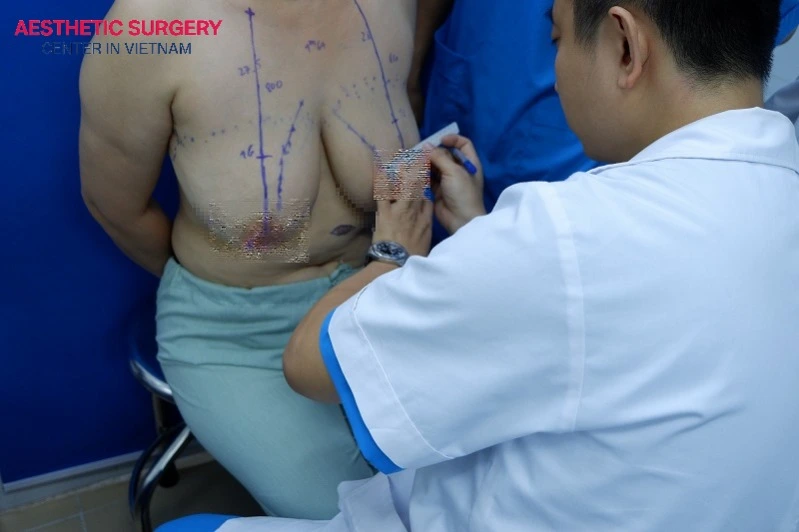
When should you consult a plastic surgeon?
You should arrange an evaluation with a board-certified plastic surgeon when persistent back, shoulder, and neck discomfort limits your work productivity, physical activity, or sleep quality. If conservative treatments such as physical therapy, chiropractic care, pharmacotherapy, or orthopedic support garments have provided minimal relief over several months, surgical evaluation is warranted. Objective signs such as radiating arm numbness, deep shoulder strap depressions, or recurrent submammary skin infections indicate that physical strain is chronic and merits professional evaluation.

Breast reduction surgery for back pain relief serves as an effective, evidence-based surgical option for women burdened by excessive breast volume. By removing redundant tissue, this procedure alleviates persistent musculoskeletal strain and restores a balanced, functional body frame. To achieve dependable surgical and functional outcomes, schedule an evaluation at an accredited medical facility with a qualified plastic surgeon. Contact our clinic today for a comprehensive consultation tailored to your needs.
>>> See more: Signs of infection after breast reduction













Comment on the post