



Breast augmentation is a cosmetic surgical procedure that delivers a full, desired bustline for women. However, breast implants are not lifetime devices. Understanding the long term effects of breast implants after 10 years helps women proactively monitor the condition of their breast tissue and the implant material. This article details the signs of implant degradation requiring replacement, the risks of capsular contracture, and the optimal timeline for medical screenings to ensure your health and safety.
Understanding the 10-year rule for breast implants
The “10-year rule” for breast implants is not a strict expiration date mandating immediate removal, but rather a crucial medical milestone recommended by the FDA and plastic surgery experts for breast health screening.
Artificial implants do not have a permanent lifespan; after a decade in the body, natural material wear combined with physiological responses significantly increases the risk of shell rupture, gel leakage, or capsular contracture. This rule serves as a timeline reminding women to begin regular advanced imaging diagnostics (such as MRI or ultrasound).
By evaluating the implant’s integrity and surrounding glandular tissue, specialists gain the clinical data needed to advise whether it is safe to keep the implants or if timely replacement surgery is necessary to protect health and maintain long-term aesthetic results.

Long-term impacts and potential complications
Retaining breast implants in the body over multiple decades requires close monitoring to detect potential long-term impacts and complications early.
Common risks of aging implants
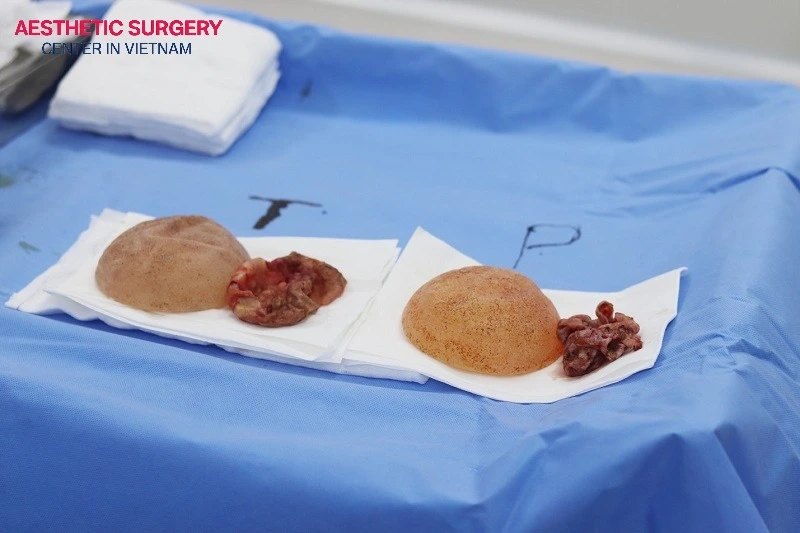
Over time, under the impact of muscle contractions and the natural aging process, the implant shell gradually loses its mechanical durability and original integrity. This material degradation significantly increases breast augmentation risks such as shell tearing, rupture, or micro-leakage of silicone gel into adjacent tissues and lymph nodes.
Furthermore, as breast tissue and skin structure change due to age or after childbirth, older implants are prone to developing visible folds, rippling under the skin, or shifting position, which compromises the firm contour and original symmetry of the breasts. Early detection of this material degradation through routine ultrasound or MRI screenings is essential for surgeons to plan a safe replacement intervention.

Capsular contracture and its effects
One of the most common and concerning late-stage complications of having implants for many years is the formation and progression of capsular contracture.
Inherently, this is the body’s natural immune response, creating a collagen membrane to isolate a foreign object. However, in some individuals, this membrane develops abnormally, becoming excessively thick, rigid, and tightly squeezing the implant shell. The consequence of this contraction is not only the loss of the breast’s natural softness and shape distortion but also the compression of nerve roots, causing persistent tightness and aching pain. When capsular contracture progresses to severe stages (Baker grade III or IV), surgical intervention for a total capsulectomy and implant exchange is a mandatory medical solution to release the glandular tissue, protect health, and restore the aesthetic appearance of the bust.
Signs that breast implants may need replacement
Although modern breast implants are designed with high mechanical durability, they are not lifetime medical devices. After breast augmentation, you need to actively listen to your body and identify early abnormal signs for timely examination, removal, or replacement. Typical clinical signs you should pay special attention to include:
- Shape and size distortion: If one breast suddenly sags, shifts position, becomes abnormally elevated, or loses its inherent symmetry, this indicates that the implant has shifted or the supporting tissue structure has weakened. For saline implants, rapid deflation is the clearest evidence of a shell rupture.
- Persistent firmness and aching pain: The breast gradually loses its natural softness, feels rigid to the touch, and is accompanied by a dull, aching compression. This is a characteristic symptom of advanced capsular contracture (grade III or IV), requiring medical intervention to release the tissue.
- Visible folds or rippling: You may easily see or feel the ripples and folds of the implant shell through the breast skin. This visibility often occurs when the implant ages, the covering breast tissue thins over time, or the shell is pulled by capsular contracture.
- Unexplained swelling or enlarged lymph nodes in the armpit: Unexplained swelling of the breast or palpable small lumps in the armpit region can be signs of an inflammatory response. In some cases, this is a consequence of silicone gel micro-leaking through the shell and migrating to the lymph nodes.
- Detecting “silent rupture” via imaging: Modern cohesive silicone gel implants often do not leak massively or show immediate outward symptoms when ruptured (known as a silent rupture). Signs of structural shell failure can only be accurately diagnosed through a magnetic resonance imaging (MRI) scan or specialized ultrasound.

As soon as you detect one or more of the above symptoms, promptly contact a board-certified plastic surgeon for a clinical evaluation, imaging check, and a safe implant replacement plan.
FDA recommendations for breast implant monitoring
To ensure the long-term safety of women’s health following breast surgery, the U.S. Food and Drug Administration (FDA) has established strict medical guidelines for implant monitoring.
When to schedule the initial screening
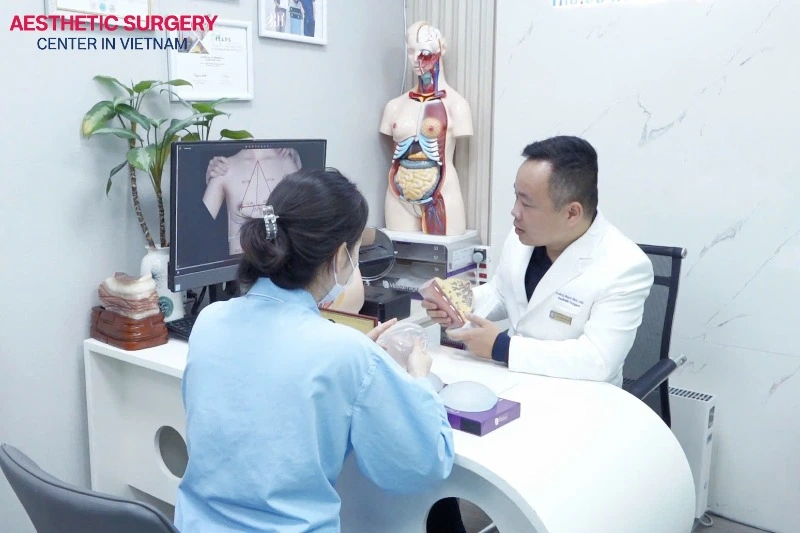
According to the latest FDA updates, particularly for modern silicone gel implants, the ideal time for the first screening is 5 to 6 years after surgery. Imaging at this stage helps the doctor accurately assess the shell’s stability, the adaptation of surrounding soft tissue, and the current breast contour. This establishes a precise baseline for future examinations before the implant begins its natural aging cycle.
The importance of routine imaging
Following the initial screening, the FDA recommends that patients with implants maintain routine MRI or specialized ultrasound scans every 2 to 3 years. The importance of these imaging diagnostics lies in their ability to accurately detect a “silent rupture.” This occurs when the silicone shell sustains micro-cracks or tears, but the gel mass remains intact within the scar capsule without causing any clinical symptoms, deformities, or pain that the patient could self-identify.
Routine screening not only closely monitors the implant’s lifespan but also serves as a comprehensive breast health check, aiding in the early detection of abnormal lumps or early signs of capsular pathology so the doctor can provide the safest and most timely medical intervention.
Factors affecting the lifespan of breast implants
The lifespan of a breast implant is not fixed at a specific number; it results from a combination of various variables, ranging from the material’s structural nature to daily lifestyle habits.
Differences between silicone and saline implants
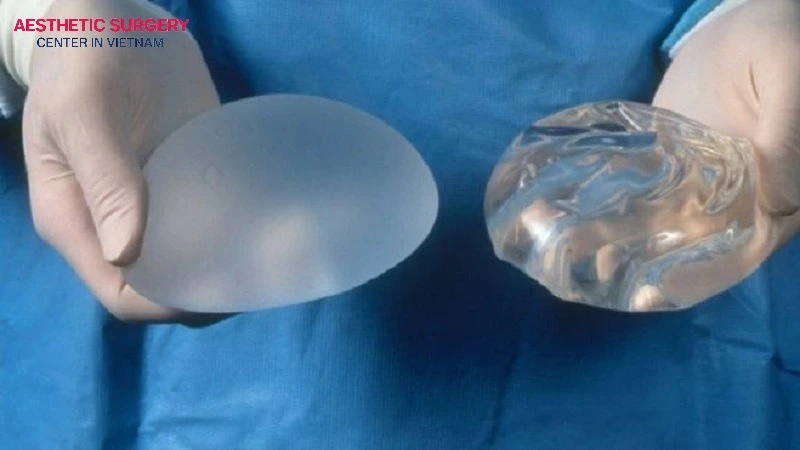
New-generation silicone gel implants, featuring high cohesivity and ultra-durable multi-layered shells, generally maintain a natural shape, withstand pressure well, and minimize rupture risks. Conversely, while saline implants are very safe if leakage occurs, their shell structure is more prone to folding and wearing down at the valve locations over time, leading to rapid deflation when a micro-tear appears.
Overall, whether using silicone breast implants or saline implants, the integrity of the shell gradually declines after the 10-year mark, requiring continuous medical assessment.
The role of lifestyle and body characteristics
Beyond the material itself, natural physiological changes and daily lifestyle habits directly impact implant longevity and breast aesthetics. Significant weight fluctuations, pregnancy, breastfeeding, or the loss of skin elasticity due to aging alter breast tissue and weaken the supporting ligament system, leading to breast ptosis (sagging) or visible implant wrinkling even if the implant itself is undamaged. Frequent participation in contact sports or vigorous physical activities that place continuous pressure on the chest wall muscles can also accelerate shell wear and increase the rate of capsular contracture, prompting the need for revision surgery sooner than anticipated.
What to know about breast implant replacement surgery
Breast implant replacement surgery is a crucial medical intervention that protects health and maintains aesthetics when older implants show signs of degradation. Core information you need to know includes:
- Core objective: Remove the old implants and thoroughly address medical risks, such as cleaning leaked gel and completely excising contracted scar capsules, before inserting new implants into the body.
- Reusing the old incision: To minimize tissue trauma and avoid creating new scars, surgeons typically prefer to re-incise along the old scar (especially the inframammary fold) to easily expose the surgical field and access the breast pocket.
- Flexibility in changing implants: This is the ideal time to upgrade to safer, new-generation silicone gel implants and simultaneously adjust the size to match your current physique.
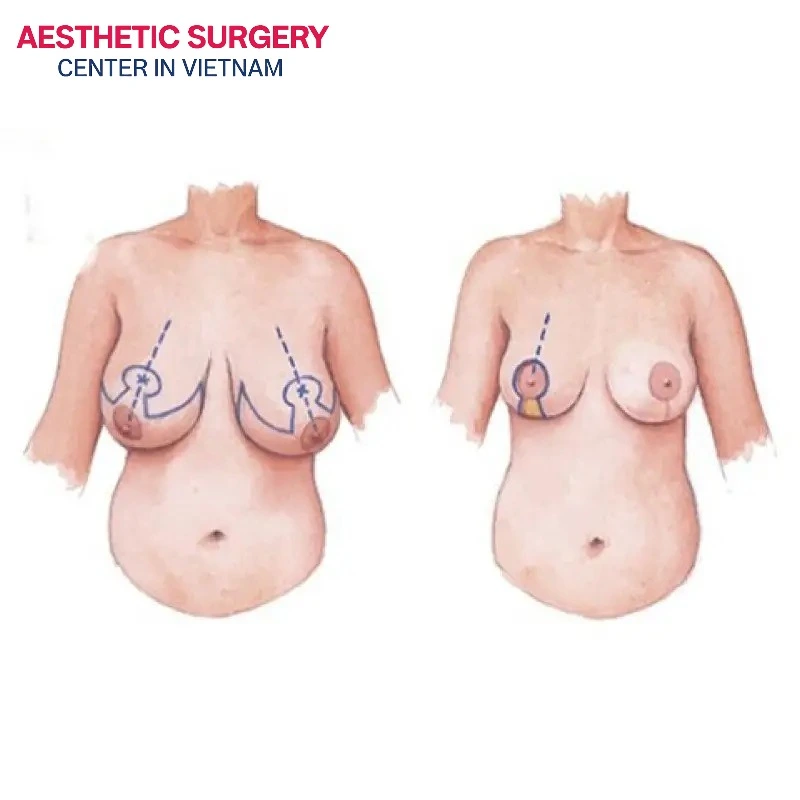
- Combining with a breast lift (Mastopexy): If the glandular tissue has aged, lost elasticity, and sagged over the years, the surgeon will recommend combining the procedure with a breast lift in the same surgery to reconstruct a firm, youthful breast contour.
- Recovery process: Because the breast pocket is already formed, the implant replacement process is generally gentler, with breast augmentation recovery and post-operative pain significantly reduced compared to the initial breast augmentation.
Frequently asked questions about the long-term safety of implants
Can breast implants last a lifetime in the body?
No. According to the FDA and medical experts, breast implants are not lifetime devices. Although many implants can remain intact for 15 to 20 years, the rate of developing complications such as rupture or capsular contracture increases by roughly 1% per year after the initial 10-year mark. Therefore, regular monitoring is mandatory.
Does breast augmentation increase the risk of breast cancer?
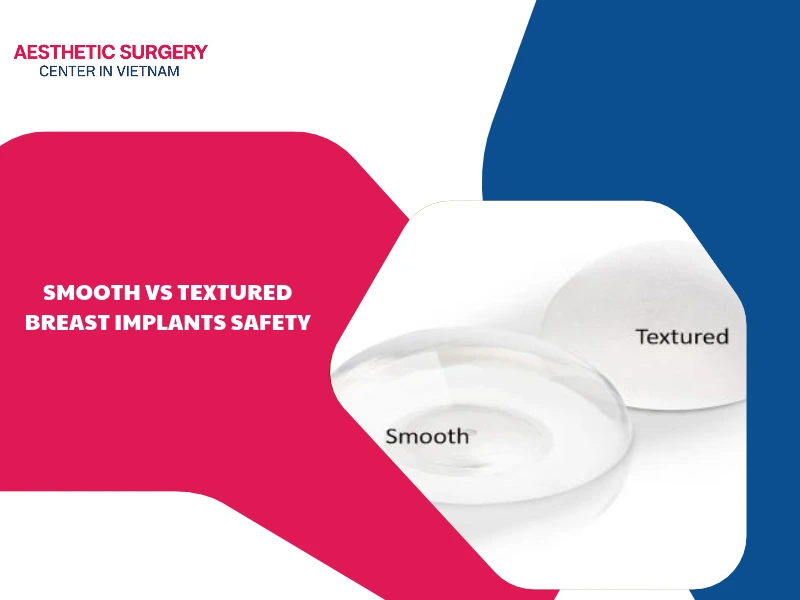
Large-scale clinical studies have proven that breast implants do not increase the risk of standard breast cancer. However, the global medical community has noted a very rare rate of Breast Implant-Associated Anaplastic Large Cell Lymphoma (BIA-ALCL), primarily occurring with textured surface implants (which have largely been recalled or restricted). If modern smooth implants are used, this risk is virtually non-existent.
Does having implants for many years affect milk ducts and breastfeeding?
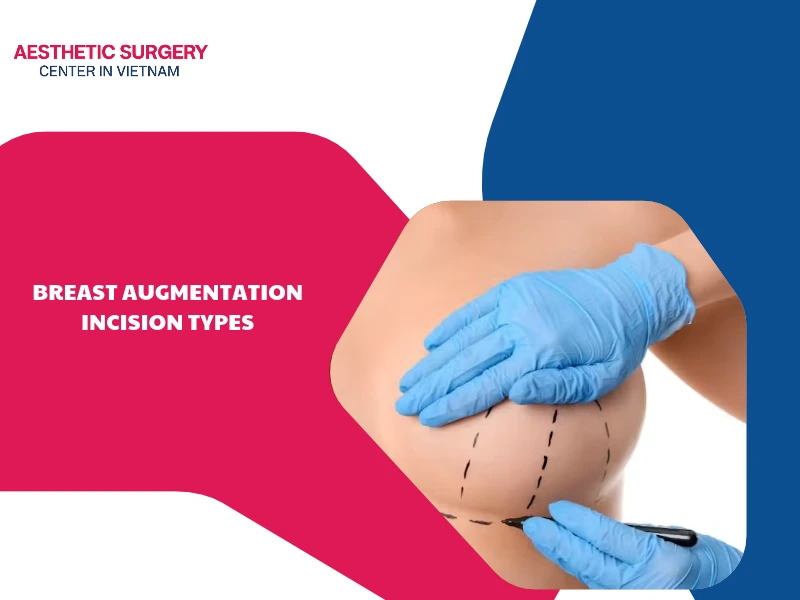
Most women with breast implants can still experience normal pregnancy and breastfeeding, particularly when the surgery was performed via an inframammary or transaxillary breast augmentation incision. In these approaches, the surgeon places the implant under the pectoralis major muscle, completely avoiding the glandular tissue and milk ducts. The silicone gel molecules in modern implants cannot permeate into breast milk, making it entirely safe for the baby.
Grasping the long term effects of breast implants after 10 years is essential for women to proactively protect their health and maintain the aesthetic appeal of their bust. While implants cannot last forever, adhering to a regular imaging screening schedule and understanding your body helps maximize control over any medical risks. Partnering with specialized medical professionals ensures that your breasts remain healthy, safe, and youthful over time.
>> See more:











Comment on the post