


Unlike traditional rhinoplasty techniques that require extensive surgical intervention, microrhinoplasty is a modern cosmetic procedure. It minimizes tissue trauma while delivering precise nasal reshaping and a shorter recovery period. What is micro rhinoplasty, and why is it becoming increasingly popular? Read the article below to find the answers and discover the advanced micro-invasive rhinoplasty technology successfully performed at Aesthetic Surgery Center in Vietnam.
What is a micro rhinoplasty?
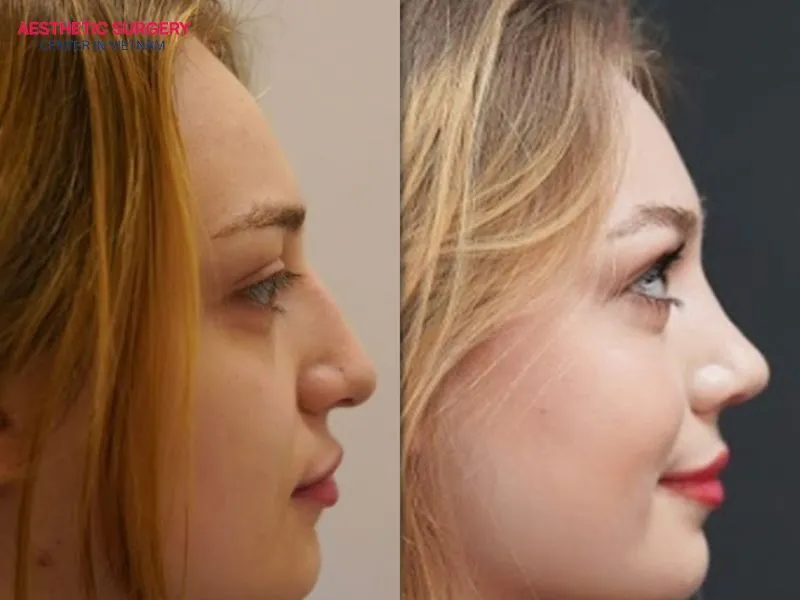
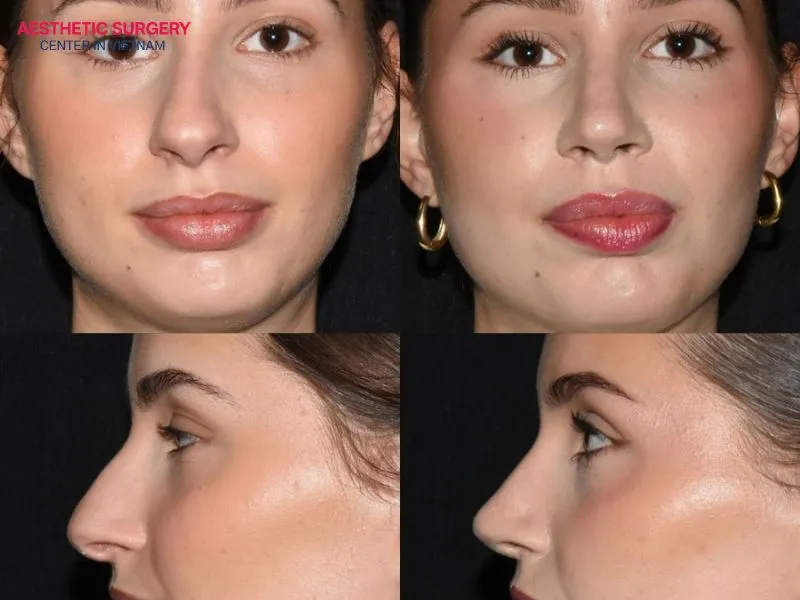
From a medical perspective, micro rhinoplasty is an advanced nasal reshaping technique designed to improve the shape of the nasal bridge without using traditional invasive surgical methods. This procedure is especially suitable for individuals with a dorsal hump, a hooked nose, or a slightly crooked nasal bridge. Depending on the patient’s aesthetic goals, this micro technique gently straightens and reshapes the nasal bridge to create a more natural appearance.
To ensure maximum precision, the surgeon uses a specialized air-powered surgical device. This advanced instrument is specifically designed to shave and reduce the nasal bone with millimeter-level accuracy. Through a very small incision hidden inside the nostril, the surgeon carefully removes the hump in ultra-thin layers. As a result, the nasal bridge is precisely straightened and refined to achieve the desired height and elegant contour without leaving any visible rhinoplasty scars.
Who is a micro rhinoplasty for?
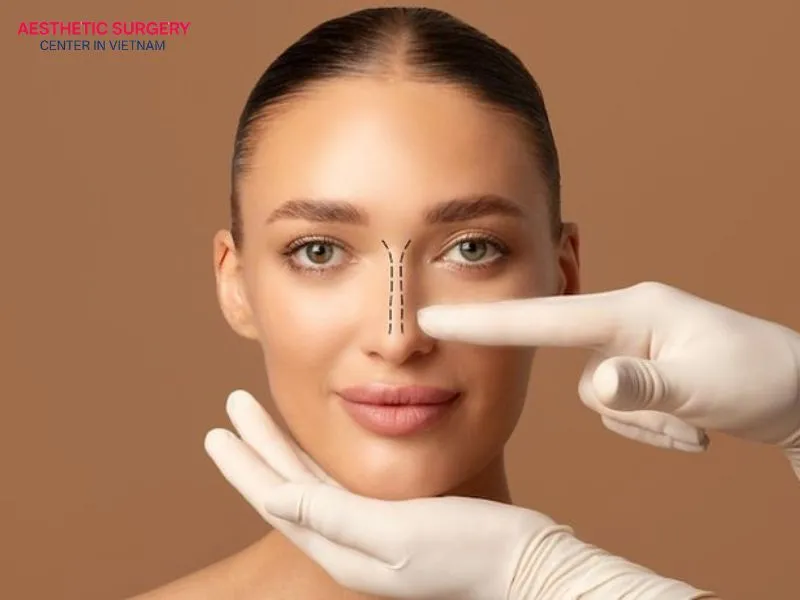
Micro rhinoplasty is a modern nasal reshaping procedure that improves the appearance of the nose for both men and women aged 18 and older. It is designed to correct structural imperfections without extensive invasive surgery. Specifically:
- Low and flat nasal bridge: Suitable for individuals with a flat, low nasal bridge that makes the face appear less defined and attractive.
- Short nose with an upturned tip: Ideal for a short nose with excessive nostril show when viewed from the front. Microsurgical techniques carefully refine and support the nasal tip for a more balanced appearance.
- Humped or slightly crooked nasal bridge: Recommended for individuals with a dorsal hump or a mildly deviated nasal bridge. The bone is precisely reshaped to create a smoother and straighter profile.
- Bulbous nasal tip or wide nostrils: Suitable for thick, broad nasal tip tissue or wide nasal alae. The tip and nostrils are refined to achieve better facial proportions.
What problems does micro rhinoplasty correct?
Choosing the right cosmetic procedure starts with understanding what each technique is designed to treat. Micro rhinoplasty is an advanced procedure developed to precisely correct bumps, raised areas, and other irregularities along the nasal bridge.
- Dorsal hump: A raised nasal bone that disrupts the smooth and elegant profile of the face.
- Mild nasal bridge irregularities: Small bumps or uneven areas that make the bridge appear less smooth when viewed from the front.
- Mild hooked nose: A nasal bridge with a slight hump and a tip that points downward.
What are the benefits of micro rhinoplasty?
Compared with traditional nasal reshaping techniques, micro-invasive rhinoplasty offers several unique advantages in both safety and aesthetic results. This is why it has become a popular choice for many patients.
Short procedure time
One of the main advantages of micro rhinoplasty is its short treatment time. With a streamlined surgical process and advanced equipment, the procedure usually takes only 15 to 20 minutes.
The shorter operating time minimizes the period that the surgical site is exposed to the outside environment. This helps reduce the risk of infection and eases anxiety for patients who are concerned about surgery.
Minimal pain and discomfort
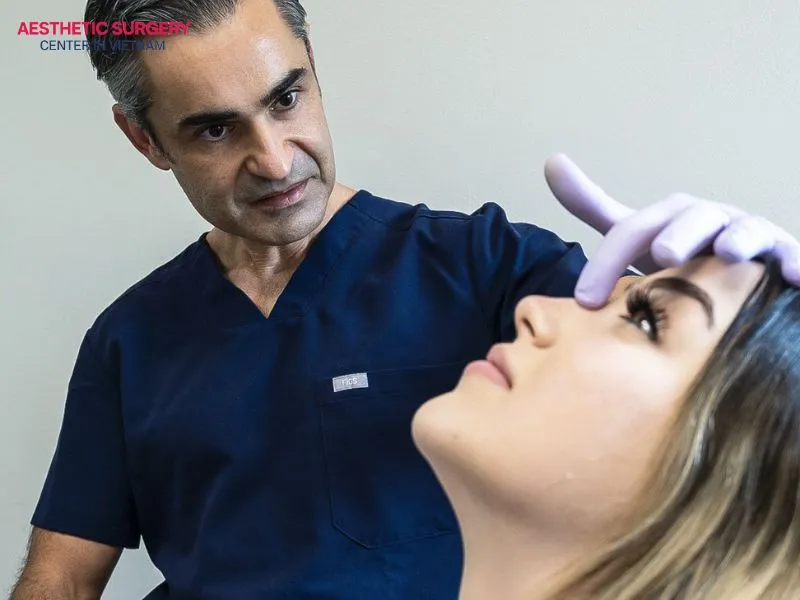
Micro rhinoplasty requires only a small incision hidden inside the nostril and is performed under gentle local anesthesia. The specialized surgical device operates smoothly and precisely removes the nasal hump layer by layer without damaging the surrounding soft tissues or nerves. This allows patients to remain comfortable and experience little to no pain throughout the procedure.
Quick resolution
Unlike traditional techniques that involve more complex procedures, micro-invasive rhinoplasty focuses directly on correcting imperfections along the nasal bridge. With just a few precise microsurgical adjustments, a dorsal hump, a mildly hooked nose, or small bridge irregularities can be effectively corrected. The nasal bridge is carefully straightened and refined to achieve balanced proportions, providing a noticeable improvement in appearance after a single treatment.

Fast recovery
Because the nasal structure is not fully dissected and the septal cartilage is not extensively altered, recovery is much faster than with traditional techniques. Patients do not have to deal with significant swelling, bruising, or drainage tubes. In most cases, you only need to wear a nasal splint for 2 to 3 days before returning to work and daily activities without a long recovery period or strict postoperative restrictions.
How much does micro rhinoplasty cost?
The cost of a complete micro rhinoplasty procedure typically ranges from VND 30,000,000 to VND 150,000,000. This price usually applies to advanced dorsal hump reduction combined with minimally invasive cartilage graft or semi-structural rhinoplasty techniques. However, if your nose has only minor imperfections and requires only nasal tip refinement or slight hump reduction, the cost may be lower than this range.
In most cases, the cost of micro-invasive rhinoplasty includes anesthesia, the use of a sterile operating room, and advanced microsurgical equipment. However, the final price varies depending on the complexity of the nasal structure, the technology used, the reputation of the cosmetic hospital, and the surgeon’s level of expertise.
Recovery after micro rhinoplasty
The final outcome of micro-invasive rhinoplasty depends not only on the surgeon’s expertise but also on the healing process and proper postoperative care at home.
Standard recovery timeline
The natural healing process after rhinoplasty typically follows the timeline below:
- Days 1–3: Mild swelling around the nose and light bruising around the eyes may occur. You may also experience slight tightness or mild soreness. These are normal healing responses.
- Days 4–7: Bruising gradually fades and begins to disappear. During this period, you will return to the clinic for suture removal and to have the surgical tape or nasal splint removed by your surgeon.
- Weeks 2–3: Most of the swelling has resolved. The nose gradually takes shape, allowing you to return to work and social activities with greater confidence.
- Weeks 4–6: The nasal cartilage and bone become more stable. You can usually resume light exercise and other gentle physical activities.
- Months 6–12: The final results of micro rhinoplasty become fully visible. The nose appears more refined and harmonious, enhancing your overall facial features.
Proper postoperative care to protect your new nose
To promote faster healing and minimize the risk of complications, follow these postoperative care instructions:
- Keep your head elevated while sleeping: During the first week, use extra pillows to keep your head elevated. This helps improve blood circulation, reduce fluid buildup, and minimize facial swelling.
- Avoid all physical impact: Do not touch, rub, or scratch your nose. Avoid accidental bumps that could shift the nasal structure.
- Limit wearing eyeglasses: Glasses can place continuous pressure on the healing nasal bridge. Consider wearing contact lenses during the first few weeks after surgery.
- Avoid forceful sneezing or blowing your nose: Blow my nose after rhinoplasty increases pressure on the healing tissues. If you need to sneeze, keep your mouth open to reduce pressure.
- Avoid strenuous physical activity: Do not lift heavy objects, run, or perform high-intensity exercise for 4 to 6 weeks. This helps keep your blood pressure stable and reduces the risk of bleeding.
- Maintain a healthy diet: Reduce your salt intake and avoid overly spicy foods to help prevent fluid retention and excessive rhinoplasty swelling.
- Apply cold compresses correctly: Use a cold pack to gently compress the areas around your eyes and cheeks to reduce bruising. Do not apply pressure or place the cold pack directly on the nasal bridge.

Micro rhinoplasty is a minimally invasive cosmetic procedure that safely and effectively enhances the shape of the nose. Understanding the procedure, the cost, and proper postoperative care can help you make a more informed decision about your aesthetic journey. Don’t let nasal imperfections affect your confidence. Contact the hotline or schedule a consultation at Aesthetic Surgery Center in Vietnam to receive personalized advice from our specialists and achieve a beautifully balanced nose.


















Comment on the post