



Deciding to undergo breast augmentation requires careful physical and mental preparation. Pain management plays an important role in the success of the surgery. Understanding each technique helps patients communicate more effectively with their medical team before surgery. This article provides detailed information about breast augmentation anesthesia options.
Understanding breast augmentation anesthesia options
Breast augmentation surgery directly affects the soft tissues and chest muscles. Therefore, proper anesthesia techniques help patients undergo surgery safely. In addition, the presence of a qualified anesthesiologist is essential during surgery. This helps ensure that important health and safety indicators remain within controlled limits.
In addition to medical factors, many patients feel anxious before surgery. This stress can increase blood pressure and heart rate. Therefore, the medical team needs to provide proper psychological preparation and choose suitable anesthesia options for each patient.
Factors that determine the type of anesthesia include overall health, underlying medical conditions, anatomy, and the complexity of the breast implant placement technique. Close coordination between the surgeon and anesthesiologist helps create the most suitable plan for each patient.
Primary anesthesia options for breast augmentation
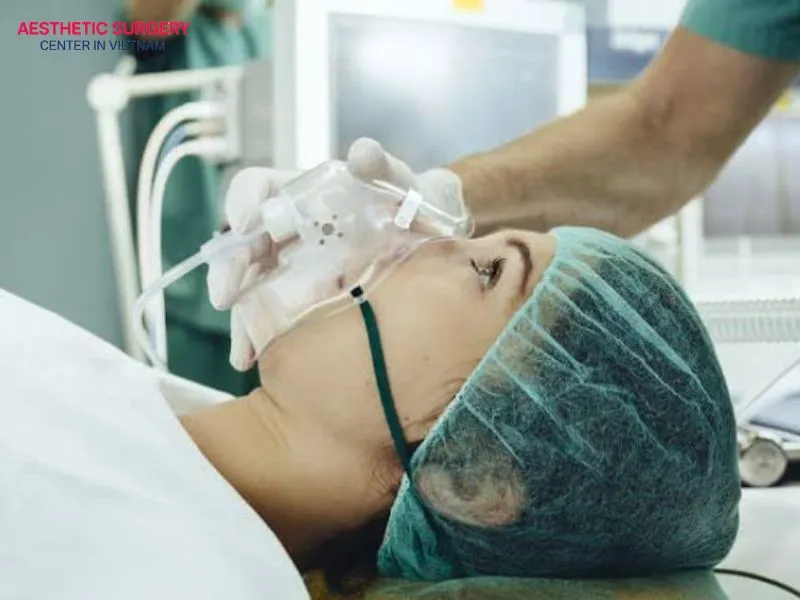
Anesthesia methods used in breast augmentation range from light to deep levels. The main difference is the patient’s level of consciousness. This can range from deep relaxation to complete unconsciousness throughout the procedure. The two main breast augmentation anesthesia options are general anesthesia and intravenous sedation combined with regional anesthesia. Both are widely used at medical facilities. Multimodal anesthesia is increasingly used to improve pain control and reduce the amount of anesthetic medication needed.
General anesthesia for complete sleep and comfort
General anesthesia places the patient in a fully unconscious state through intravenous medication and airway management. A major advantage of this method is that it creates a stable surgical environment. It also helps the surgeon control the patient’s body movements during the procedure. However, patients may experience some side effects after waking up. These can include nausea, a mild sore throat from the breathing tube, and prolonged fatigue. This is a common option for breast augmentation with implants placed under the chest muscle. This placement requires high precision and deeper tissue dissection.

Intravenous sedation or twilight anesthesia
Intravenous sedation helps patients enter a drowsy state and become deeply relaxed without completely losing consciousness. A key advantage is that patients can continue breathing on their own without the need for a complex endotracheal tube. Recovery after intravenous sedation is usually faster and helps minimize the nausea often associated with traditional methods. New-generation sedative medications are carefully developed to reduce side effects and help patients regain alertness quickly.
Regional nerve blocks for enhanced pain relief
Regional nerve blocks in the chest use specialized local anesthetics injected into the surgical area to block pain signals. Specific techniques include erector spinae plane blocks and intercostal nerve blocks performed with high precision. The pain-relieving effect of this method can provide comfort for about 18 to 24 hours after surgery.

The truth about awake breast augmentation
Remaining awake during breast augmentation surgery does not mean that patients have to experience pain or fear. In practice, this approach combines moderate intravenous sedation with local anesthesia to completely numb the breast area. Patients can breathe on their own and may even communicate briefly with the medical team when necessary without feeling discomfort.
The use of three-dimensional imaging technology before surgery helps determine the breast implant size accurately. This eliminates the need to adjust the implant size during surgery. This method is suitable for subglandular or over-the-muscle implant placement, where soft tissue invasion is lower than with traditional under-the-muscle placement. However, the support of an anesthesiologist remains essential. The anesthesiologist plays a key role in keeping the patient relaxed throughout the entire procedure.
How to choose the best anesthesia option for your surgery?
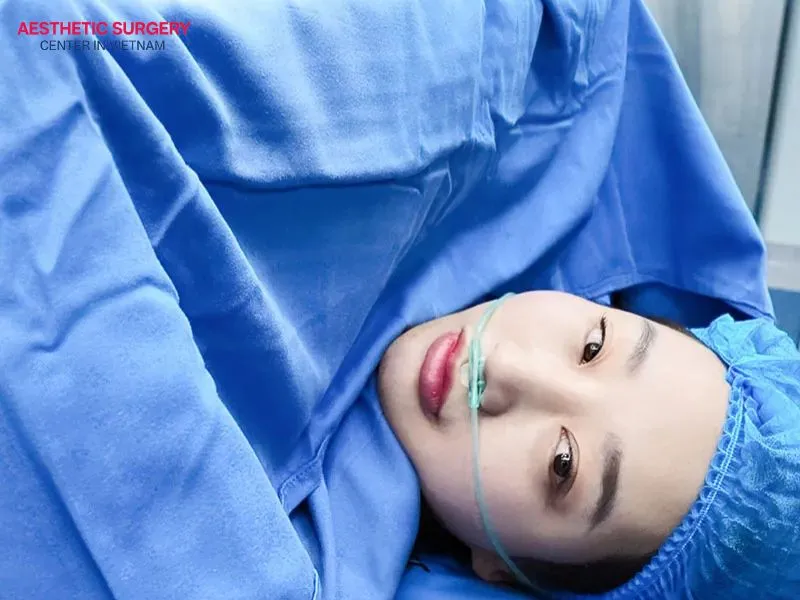
Choosing the right anesthesia option for breast augmentation requires a comprehensive assessment based on each patient’s specific medical factors. The preoperative consultation allows the plastic surgeon and anesthesiologist to understand the patient’s preferences and evaluate their actual health condition.
If the patient chooses large breast implants or requires complex under-the-muscle placement, general anesthesia is often the preferred option. In contrast, patients who are sensitive to anesthetic medications or prefer a faster recovery may consider less invasive options such as intravenous sedation combined with regional anesthesia. A history of cardiovascular disease, respiratory conditions, or allergic reactions to medications also helps the surgeon adjust the anesthesia plan to ensure safety and suitability.
Common questions about breast augmentation anesthesia
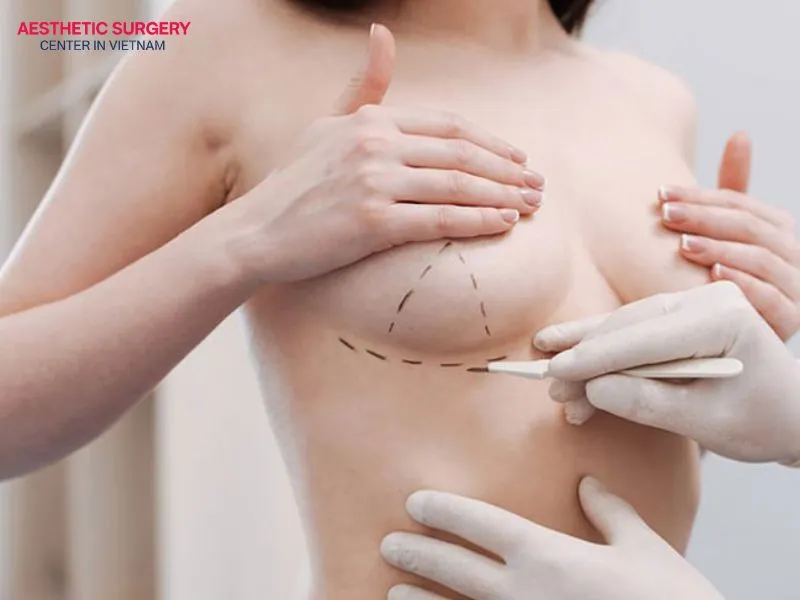
o feel more confident before choosing a suitable anesthesia option for breast augmentation, you can refer to some frequently asked questions from patients below.
Will I feel any pain during the procedure?
Patients do not feel pain during breast augmentation surgery due to the effects of specialized anesthetic medications. The dosage of these medications is carefully calculated based on body weight and overall health to block pain effectively. With general anesthesia or deep sedation, patients enter a deep sleep and have no sensation or memory of the surgical procedure. With regional anesthesia, the sensory nerves in the chest area are temporarily blocked, so the procedure can be performed without pain.
How long does it take to wake up after surgery?
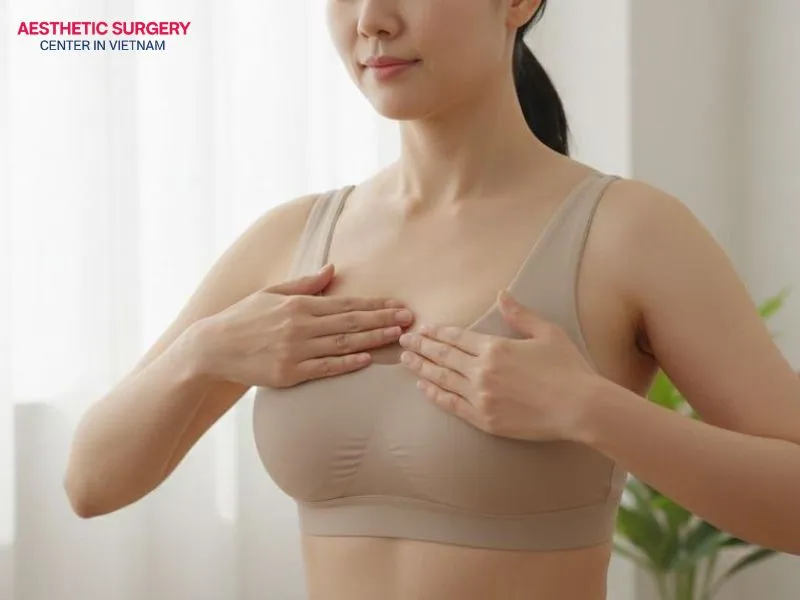
The recovery time after breast augmentation depends on the type of anesthesia used for each patient.With intravenous sedation, the medication usually wears off relatively quickly. Patients are often fully awake within one to two hours after surgery. With traditional general anesthesia, the medication may take slightly longer to wear off. Patients need to rest in the recovery room under close supervision. The nursing team will monitor vital signs until the patient is fully stable and ready to be transferred to the postoperative care room.
What are the potential side effects of anesthesia?
Common side effects after anesthesia include mild nausea, dizziness, or temporary fatigue during the first day. Some patients who receive general anesthesia may experience a temporary sore throat due to the breathing tube used during surgery. These symptoms are generally temporary. They gradually improve as the anesthetic medications leave the body. The surgeon may prescribe appropriate supportive medications to help patients remain comfortable during the initial recovery period.

In summary, understanding the different breast augmentation anesthesia options can help patients reduce anxiety and feel more mentally prepared before surgery. Each technique has its own advantages and is suitable for different health conditions. Patients should speak directly with a specialist to develop a safe and suitable anesthesia plan. If you are considering breast augmentation in Vietnam, you can visit Aesthetic Surgery Center in Vietnam. The center has a team of highly qualified surgeons and modern technologies to ensure safety and aesthetic results for patients.
>>> See more: Breast augmentation questions















Comment on the post