


Deciding on breast implant removal without replacement is an increasingly common choice among women who wish to return to their natural comfort or need to address medical complications such as capsular contracture or implant rupture. Whatever the underlying reason, this procedure requires careful preparation to ensure safety and minimize post-surgical sagging or laxity. The article below provides in-depth information on surgical techniques, recovery timelines, and proper post-operative care.
What is breast implant removal without replacement?
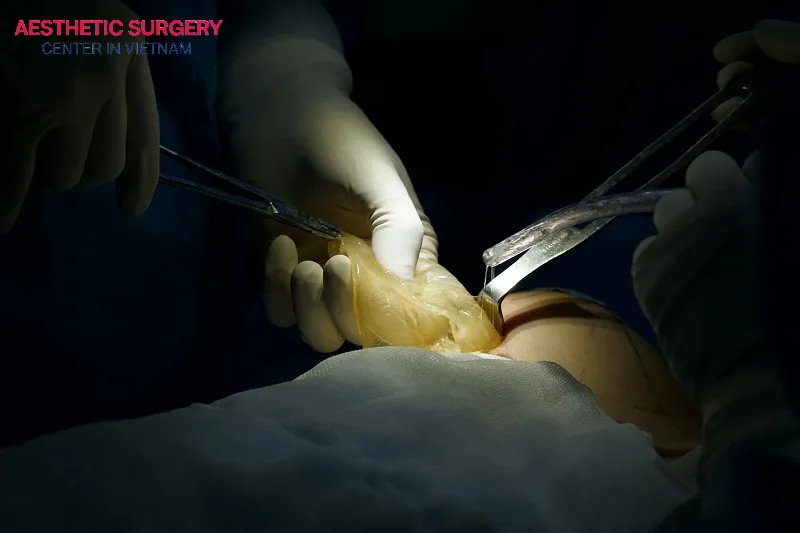
Breast implant removal without replacement (also known as explant surgery) is a medical procedure designed to completely remove existing breast implants from the body without substituting them with any new implants.
This procedure is typically performed either out of personal preference—when women want to return to their natural bust—or out of medical necessity to treat complications such as capsular contracture, implant rupture, chronic infection, or Breast Implant Illness (BII).
Because removing the implants causes a substantial loss of volume and often leaves behind loose, excess skin, plastic surgeons frequently combine explanation with a mastopexy (breast lift). This combined approach reshapes the contours, tightens tissue, and ensures an aesthetically pleasing, balanced outcome once fully healed.
>>> See more: Breast augmentation questions
Why consider breast implant removal?
Women generally consider this surgery for two main reasons: medical/health complications and evolving aesthetic or lifestyle preferences.
Medical and health issues
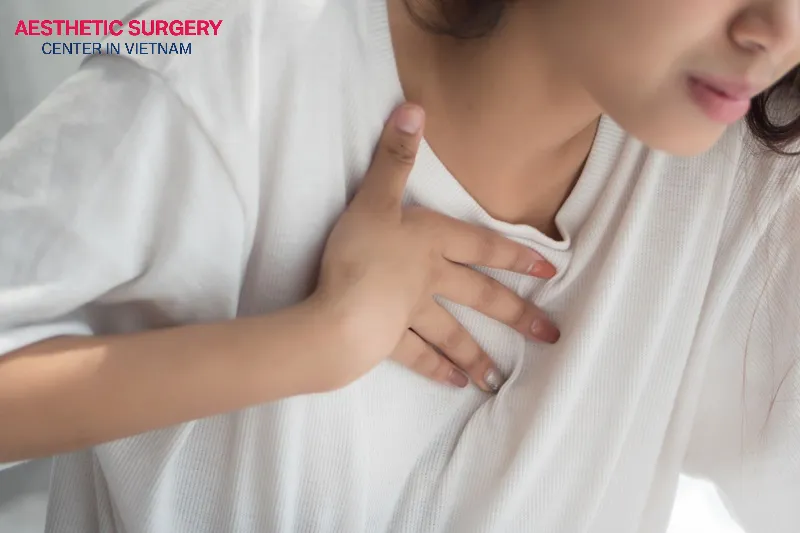
- Capsular contracture: This occurs when the body forms an abnormally thick layer of scar tissue around the implant, resulting in breasts that feel hard, distorted, and often intensely painful.
- Rupture, deflation, or leakage: Although modern implants are highly durable, they still have an expected lifespan (typically 10 to 15 years). When an implant ruptures or leaks, surgical removal is essential to clean and protect adjacent breast tissue.
- Breast implant illness: Many women report systemic symptoms such as chronic fatigue, brain fog, joint pain, hair loss, or unexplained rashes after breast augmentation. While not yet an official medical diagnosis, many patients experience significant symptom relief following implant removal.
- Risk of lymphoma: Breast Implant-Associated Anaplastic Large Cell Lymphoma is a rare cancer of the immune system linked primarily to textured implants. The primary treatment protocol involves removing the implant alongside its entire surrounding capsule.
Aesthetic and lifestyle changes
- Desire for a natural look: Aesthetic preferences naturally change over time. Many women no longer desire an exaggerated bustline and prefer a lighter, more proportionate, and comfortable physical silhouette.
- Physical discomfort: Oversized implants carry significant weight, which over time can trigger persistent back pain, neck stiffness, and shoulder discomfort, as well as hinder physical activities such as running or yoga.
- Age-related body changes: Natural aging, significant weight fluctuations, pregnancy, and breastfeeding dramatically alter breast tissue. Breasts can sag or become disproportionate relative to the implants, making them look unnatural or outdated.
Surgical techniques explained
To ensure procedural safety and optimize cosmetic results, surgeons evaluate baseline health, existing breast parenchyma, and skin elasticity to select the most appropriate intervention.
Total vs. partial capsulectomy
The body naturally forms a layer of scar tissue around any foreign object, called a capsule. When performing breast implant removal without replacement, the surgeon may recommend:
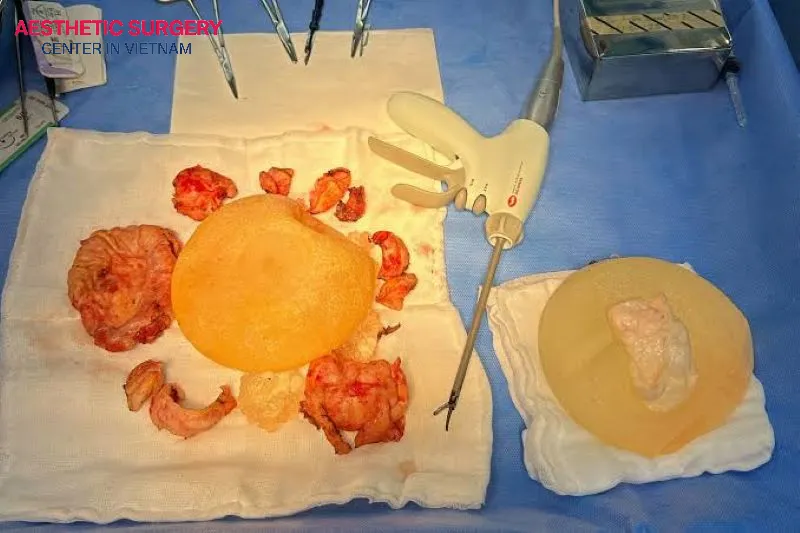
- Total capsulectomy (or En Bloc Removal): Strongly indicated for severe capsular contracture, ruptured gel implants, or suspected BII and BIA-ALCL to ensure all inflammatory, contaminated tissue is cleared from the chest wall.
- Partial capsulectomy: Favored when the capsule is thin, healthy, or firmly adhered to the pectoral muscle or ribs. This conservative approach limits trauma to surrounding healthy structures, minimizes bleeding risks, and shortens overall recovery time.
Combining removal with a breast lift (mastopexy)
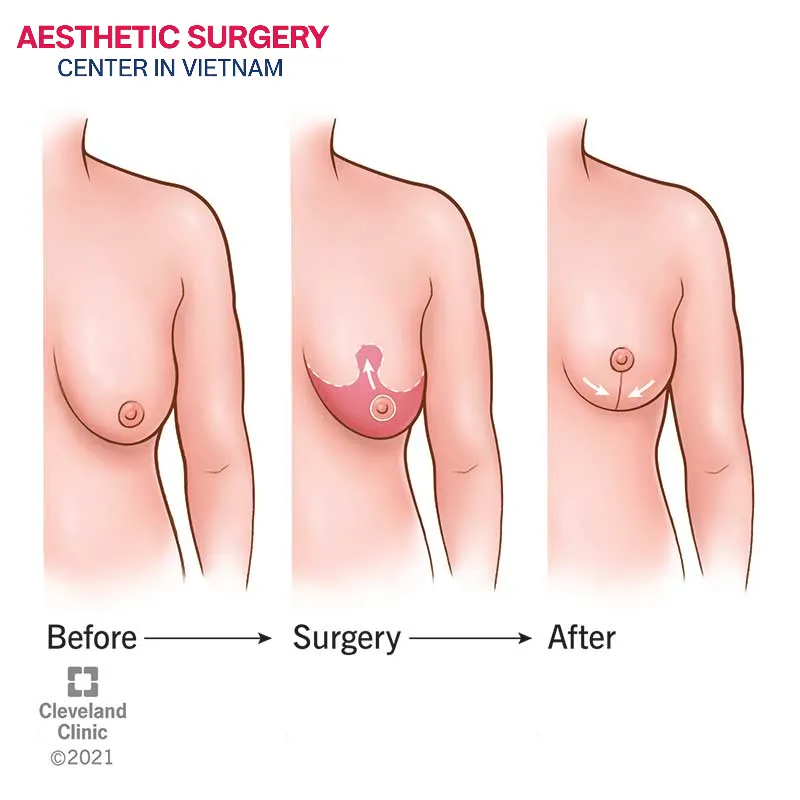
Extracting the implants leads to an immediate loss of internal volume, leaving the breast envelope loose, wrinkled, or noticeably ptotic (sagging) from years of skin stretching.
To address this, plastic surgeons frequently pair removal with a mastopexy. A breast lift excises excess redundant skin, gathers and shapes the remaining glandular tissue, and elevates the nipple-areolar complex to a youthful position. This creates a neat, firm, and naturally elevated breast contour without needing new implants.
What to expect after surgery?
Breast implant removal without replacement is not just an operative extraction; it marks the start of a restorative physical transition. Understanding the post-surgical timeline ensures optimal recovery.
Aesthetic changes and breast contour
Without the underlying support of implants, the most immediate change is a visible decrease in breast volume; the breasts will feel softer and look smaller. Because skin and glandular tissue were stretched, the area may initially appear loose, wrinkled, or slightly hollow during early weeks.
Do not be alarmed: the body requires roughly 3 to 6 months for natural glandular tissues to settle, skin to retract, and the final contour to stabilize into a comfortable, natural shape.
Recovery timeline and aftercare
Recovery after implant removal is generally milder and significantly less painful than the original augmentation surgery. Most patients resume regular desk work within 1 to 2 weeks.
- Compression garments: For the first 4 to 6 weeks, consistently wearing a supportive, wire-free surgical compression bra helps tissue adhere, reduces edema, and protects incisions.
- Activity restrictions: Maintain strict incision hygiene, adhere to prescribed medications, and refrain from heavy lifting or high-impact exercise (such as running or weight training) to avoid seromas, bleeding, or wound dehiscence.

Addressing volume loss concerns
A common hesitation among women considering explanation is the fear of being left with a deflated, flat, or hollow chest. Modern cosmetic surgery offers safe, effective options to restore natural contours without synthetic devices.
Preventing a deflated or sagging appearance
Thoroughly assessing native glandular volume and skin elasticity prior to surgery is essential. As noted, concurrent mastopexy eliminates excess skin and resuspends native breast tissue, minimizing hollowness and establishing an elevated, compact shape despite lower absolute volume.
Fat grafting and tissue reconstruction
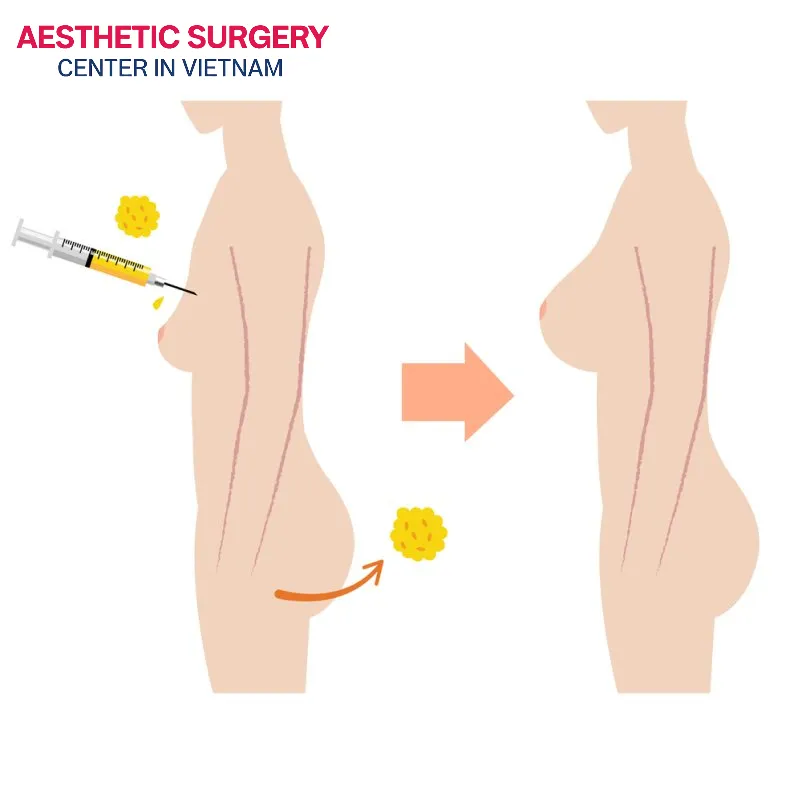
For those desiring partial volume restoration without synthetic implants, autologous fat grafting (lipofilling) provides an ideal solution:
- Fat is harvested via gentle liposuction from donor sites (such as the abdomen, flanks, or thighs), purified, and delicately injected into specific planes of the breast.
- Autologous fat is 100% biocompatible, entirely eliminating capsular contracture risks while yielding a warm, natural texture.
- Regenerative cells within the fat transfer also help improve surrounding tissue quality and skin tone over time.
Frequently asked questions
Does insurance cover breast implant removal?
Most insurance carriers only cover breast implant removal without replacement when medically necessary—such as documented implant rupture, severe capsular contracture (Baker grade III/IV), or confirmed pathology. Elective explantation performed strictly for aesthetic or lifestyle preferences is paid out-of-pocket.
How do I choose the right surgeon?
Look for board-certified plastic surgeons with verified experience in complex explant procedures, capsulectomies, and concurrent mastopexy. Request before-and-after portfolios of their non-replacement explant cases to evaluate their surgical precision and aesthetic outcomes.
Opting for breast implant removal without replacement enables women to resolve underlying health concerns and reclaim their physical lightness and natural comfort. While volume loss is inevitable, modern adjunct techniques like mastopexy and autologous fat transfer make it entirely possible to achieve a firm, proportional, and flattering contour. Partnering with a skilled, board-certified plastic surgeon is the most important step to developing an individualized surgical plan tailored to your health and goals.
>>> See more: Breast reduction for macromastia diagnosis








Comment on the post