



Botox working out after is an important factor that helps muscle groups stabilize and maintain aesthetic results. However, exercising incorrectly may cause botox to move to unwanted areas. So, how should you exercise after botox? Read the article below to learn a proper recovery plan with the most suitable exercises.
Can I workout after botox?
You can absolutely maintain your exercise routine, but you need to follow a strict timeline. The key to preserving natural beauty is adjusting the intensity appropriately. A combination of gentle facial muscle movements and light lower-body exercises can help the active ingredient absorb well without shifting from the treated area.
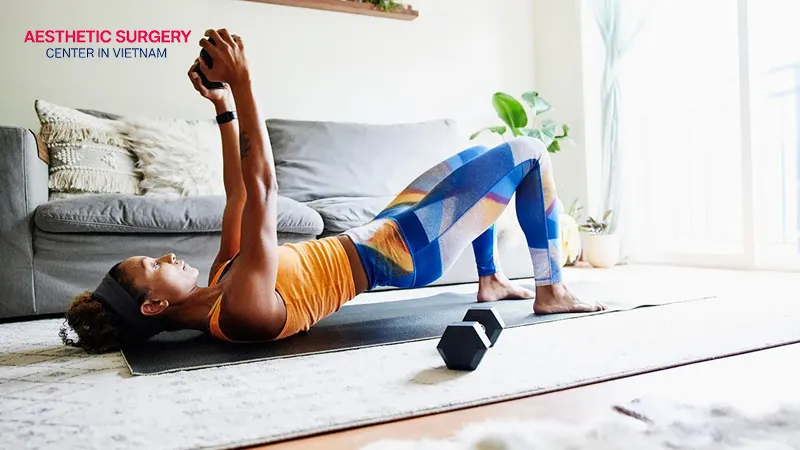
How long can you exercise after botox?
In general, you should not exercise immediately and should wait at least 24 hours before starting light physical activities. If you want to perform high-intensity workouts, it is better to wait about 48 to 72 hours.
So, why should you avoid exercising right after botox injections? This is the “golden period” for the botox active ingredient to fully stabilize at the injection site, preventing the risk of spreading to nearby muscle areas. Strictly following this timeline helps ensure optimal aesthetic results and avoids unnecessary complications.

Why does exercise botox work out after?
Performing gentle facial expression exercises after botox injections helps botulinum toxin absorb deeper and more evenly into the targeted nerve endings. Natural movements such as smiling, raising the eyebrows, or squinting can stimulate the toxin to bind more effectively to muscle receptors. This process helps accelerate the botox for wrinkles reducing effects.
This approach allows the face to achieve a more youthful appearance, maintain natural movement, and optimize the overall aesthetic results.
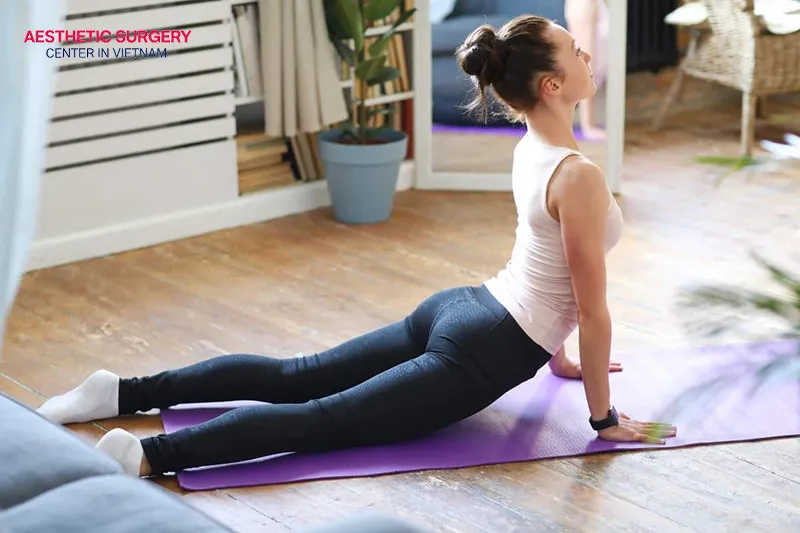
Exercise guidelines botox working out after
To maintain optimal aesthetic results, building a proper exercise routine after the procedure is essential. Below are detailed guidelines to help you balance fitness goals while maximizing the effectiveness of your botox treatment.
Are low-impact activities safe?
Low-impact activities such as light walking, yoga, or basic stretching are generally considered safe about 4 to 6 hours after botox injections. These activities help maintain stable blood circulation without putting excessive pressure on the capillary system.
However, the most important thing is to avoid bending your head down or lying flat for at least the first 4 hours. Keeping your head in an upright position while doing light exercises helps ensure the botulinum toxin settles accurately in the targeted muscle groups.
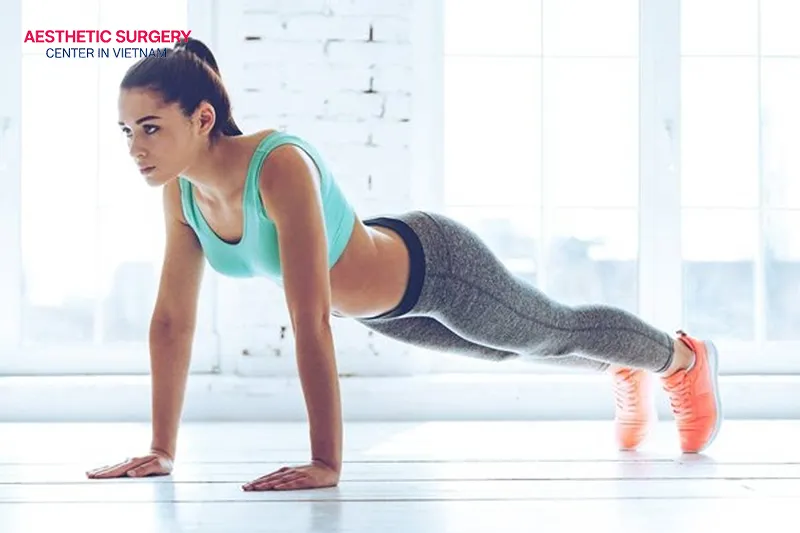
High-intensity exercise guidelines
For high-intensity activities such as gym workouts, HIIT, running, or swimming, the ideal time to resume is after 48 to 72 hours. When your heart rate increases and body heat rises, metabolism becomes more active, which may reduce the effectiveness of botox or cause swelling at the injection sites.
When returning to exercise, you should gradually increase the weight or running speed. At the same time, avoid wearing tight equipment such as sports helmets or swimming goggles that may put pressure on the facial area. Being patient during this period allows the neuromuscular junctions to be fully inhibited, helping extend the wrinkle-reducing results.

How long can I exercise after botox?
In the first few days when returning to exercise, the most appropriate workout duration is about 20 to 30 minutes per session. Limiting the workout time helps keep the heart rate from rising too high and prevents excessive body heat.
After about one week, you can gradually extend your workout duration back to your normal routine.
What happens if you exercise too soon?
Returning to intense exercise too quickly injections can lead to several unwanted botox side effects. Below are the most common negative impacts:
- Risk of product migration: This is the biggest concern. When the heart rate increases and blood circulation becomes stronger, botulinum toxin that has not yet stabilized may spread to nearby muscle groups. This may lead to complications such as droopy eye after botox, uneven eyebrows, or stiffness in unintended facial areas.
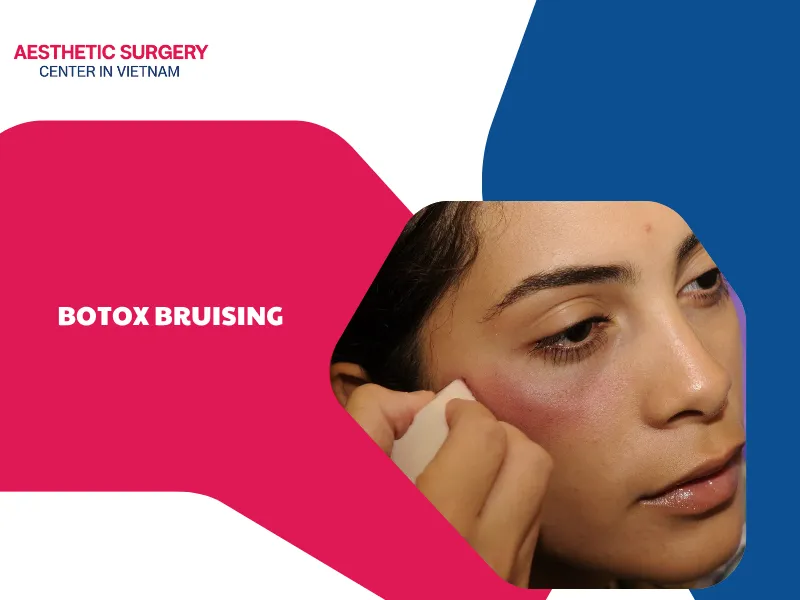
- Increased swelling and bruising: High-intensity exercise causes blood vessels to dilate, which may lead to under-skin bleeding at the small injection sites. This can create larger bruises and extend the recovery time of soft tissues.
- Reduced aesthetic results: Increased body temperature from sweating and accelerated metabolism may reduce the toxin’s ability to bind effectively, which can prevent wrinkle-reducing results from reaching the expected outcome.
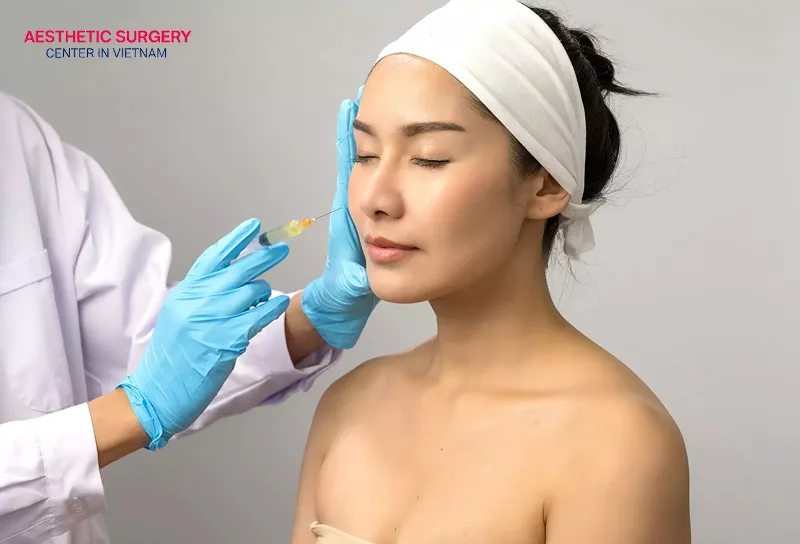
Signs to watch for during exercise
During exercise, monitoring your body’s reactions is essential to ensure safe aesthetic outcomes. Below are important signs you should pay attention to:
- Worsening swelling or bruising: If the treated area shows increased swelling, redness, or bruising that spreads when your heart rate rises, you should stop exercising immediately. This may indicate that blood pressure is placing too much stress on the still-healing capillaries.
- Heaviness or drooping around the eyes: Pay attention if you find it difficult to open your eyes, notice eyebrow droop after botox, or feel unusual stiffness in facial muscles that were not injected. This may indicate that the Botox is spreading to nearby muscle groups due to exercising too early.
- Dizziness or severe headache: A mild headache can be a normal reaction. However, if it is accompanied by dizziness or lightheadedness when bending down during exercise, you should stop and rest while keeping your head in an upright position to avoid changes in facial vascular pressure.

Maximizing botox benefits with proper post-care
To maintain long-lasting aesthetic results, following a proper post-treatment care routine is essential. In addition to adjusting your workout habits after botox injections, you should also pay attention to small daily habits such as:
- Keep an upright posture: Do not lie flat or bend your head down for at least the first 4 hours after injection.
- Avoid heat exposure: Limit sauna sessions, very hot showers, or direct exposure to strong sunlight for at least 48 hours.
- Do not massage the treated area: Avoid rubbing, massaging, or using facial cleansing devices on the treated area during the first 24 hours.
- Use gentle moisturizers: Apply mild skincare products and pat gently to protect the soft tissue structure.

Building a proper routine for botox working out after treatment is the key to achieving natural and long-lasting beauty. By patiently listening to your body and strictly following the recommended recovery timeline, you can protect your aesthetic results and minimize potential complications. Give yourself time to rest and enjoy your refreshed appearance once botox has fully taken effect.
>>> See more: What to do after botox?













Comment on the post