


Having a high nose bridge alone is not enough. Facial harmony depends on balance. However, many patients experience a crooked nose due to genetics, accidents, or complications from previous failed rhinoplasty. Crooked nose rhinoplasty is considered an effective solution. It helps reconstruct a straight nasal shape and enhances overall facial aesthetics, allowing you to regain your confidence. So, what is rhinoplasty for crooked nose? How much does rhinoplasty crooked nose cost? The answers are provided below.
What is a crooked nose?
A crooked nose, also known as a deviated nose, is a condition in which the nasal axis does not lie on a straight vertical line in relation to other facial features. The nasal bridge or nasal tip may lean to one side or curve in a C-shape or S-shape. Structurally, this condition is often caused by a deviated septum, displaced nasal bones, or uneven development of soft tissues.
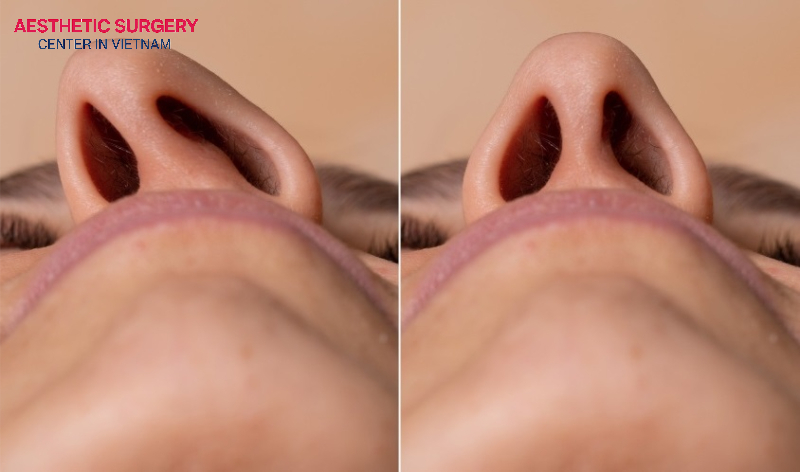
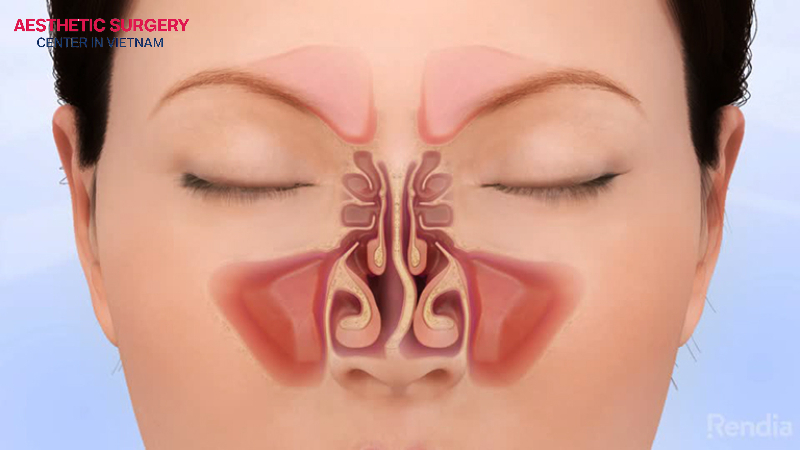
A crooked nose not only affects facial aesthetics and reduces overall balance, but in severe cases it can also cause respiratory health problems such as nasal congestion, sinusitis, or difficulty breathing.
What are the causes of a crooked nose?
A crooked nose can result from various causes, ranging from natural factors to external impacts. Below are the most common causes:
Congenital or genetic structure
Many cases of a crooked nose are present from birth due to uneven development of the nasal bones and cartilage during the fetal stage. In more complex cases, such as patients seeking a rhinoplasty cleft palate correction, the nasal asymmetry is often tied to underlying structural deficiencies in the lip and gum line. When the septal cartilage is naturally curved or deviated to one side, it causes the nasal bridge to lean accordingly. This not only affects appearance but may also narrow one side of the airway from an early age.
Trauma or physical impact
This is the most common cause in adults. Strong impacts from traffic accidents, workplace accidents, or sports injuries such as football, martial arts, boxing, or gym training can fracture the nasal bones or displace the septum. If the bones and cartilage are not medically repositioned in time after the injury, they may heal in a misaligned position, resulting in a permanently crooked nose.
Complications of failed rhinoplasty
Rhinoplasty performed at non-reputable clinics or by inexperienced surgeons is a common cause of a crooked nose after surgery. This condition often occurs when the implant is not properly placed against the nasal bone, the nasal pocket is unevenly dissected, or the implant size is too large for the natural nasal structure. In addition, improper post-operative care or impact to the nose before the implant stabilizes can cause the nasal bridge to shift and become crooked.
The aging process and related medical conditions
Although less common, the natural aging process can also change the nasal structure. Over time, connective tissues and nasal cartilage gradually weaken, causing the nasal tip to droop or lean to one side under the effect of gravity. In addition, nasal tumors or chronic nasal conditions such as allergic rhinitis and sinusitis may create pressure on the septum, gradually deforming the straight nasal structure.
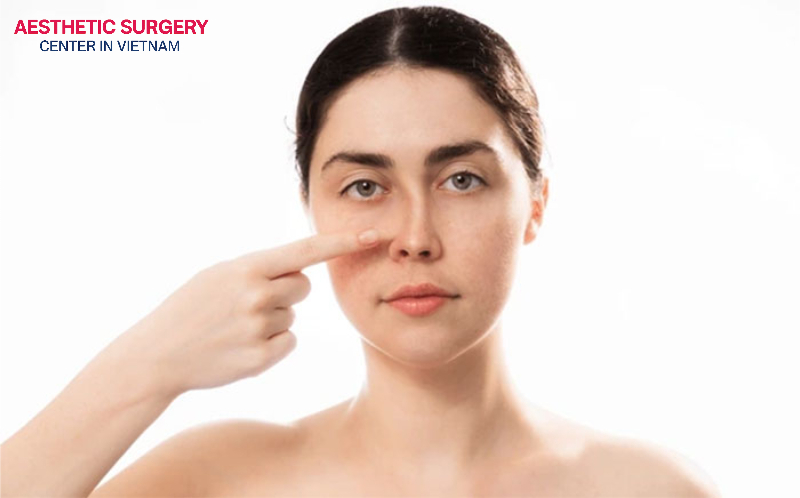
How can a crooked nose be straightened?
Straightening a crooked nose requires precise intervention into the bone and cartilage structure to ensure both aesthetic results and proper breathing function. Below are the most commonly applied solutions today:
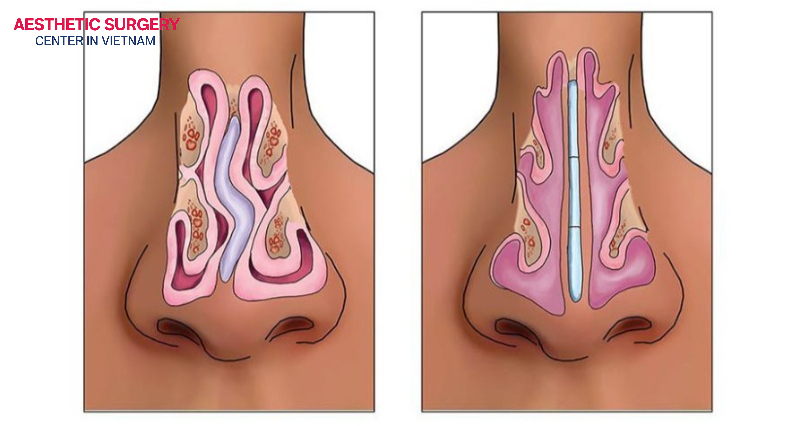
Septoplasty
Septoplasty is the optimal solution for cases of a crooked nose caused by a deviated septal cartilage structure. The surgeon makes a small incision inside the nose to access the septum, then trims, repositions, or removes excess cartilage and displaced bone that are causing obstruction. This procedure restores the septum to the central position, improves airflow, and enhances the balance of the nasal bridge.
Because it involves deep structural correction, septoplasty is usually performed under general anesthesia. After surgery, patients not only see a straighter nose shape but also experience relief from chronic nasal congestion or sinusitis caused by a deviated septum. This is considered a “2-in-1” procedure that combines medical treatment and aesthetic improvement.
Nasal bone repositioning
In cases where a crooked nose is caused by fractured nasal bones or uneven bone development after trauma, the surgeon may indicate nasal bone rasping or osteotomy. The protruding or misaligned bone segments are carefully fractured in a controlled manner and repositioned into proper alignment. This technique requires a highly skilled surgeon and the support of advanced equipment such as ultrasonic bone shaving devices.
After the nasal bones are straightened, a splint is usually applied for a certain period to ensure proper healing in the new position. This method is often combined in major rhinoplasty procedures to completely correct a C-shaped or S-shaped nasal bridge, providing long-lasting and safe aesthetic results.
Structural rhinoplasty
For cases of a crooked nose caused by failed rhinoplasty or cartilage deficiency, structural rhinoplasty is the most comprehensive solution. The surgeon uses a combination of autologous cartilage such as ear cartilage, rib cartilage, and synthetic implants to rebuild the nasal pillar, reconstruct the nasal tip, and reshape the nasal bridge. This technique allows full correction of the entire nasal structure, enabling precise repositioning of misaligned components.
The strength of structural rhinoplasty lies in its ability to treat complex deviations or severe nasal deformities. By rebuilding a solid foundation with autologous cartilage, the new nasal shape is durable, stable over time, and naturally harmonious with the face. This is the top choice for those who want to correct a crooked nose and achieve a refined, high nasal bridge.
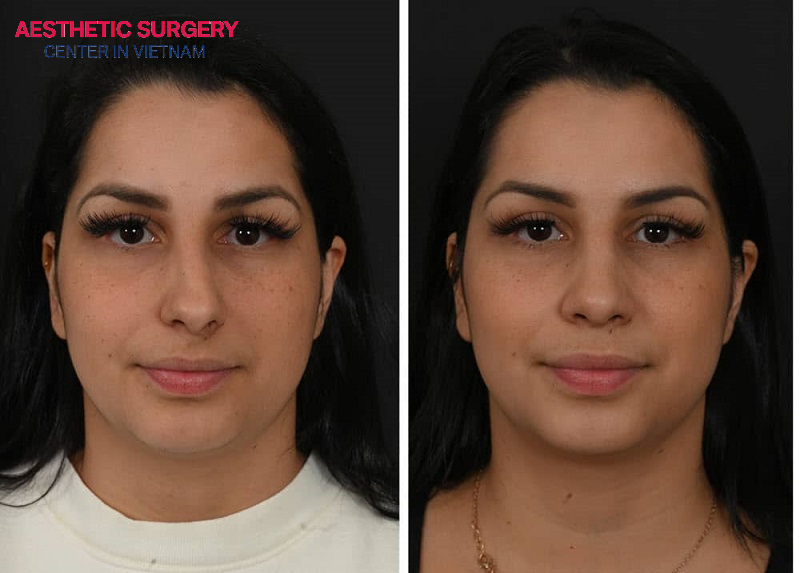
Is correcting a crooked nose painful?
It is completely understandable to worry about pain during crooked nose rhinoplasty. However, with modern medical technology, the procedure is much more comfortable than many patients expect. During the surgery, you will not feel pain because the surgeon uses local anesthesia or general anesthesia, depending on the complexity of the case. You will be in a relaxed state or asleep, allowing the surgeon to accurately reposition the bone and cartilage.
After the anesthesia wears off, mild throbbing pain or a feeling of tightness around the nose is unavoidable during the first 2–3 days. However, this level of discomfort is generally tolerable. At reputable aesthetic clinics, surgeons prescribe pain relievers and anti-inflammatory medication, and provide instructions on proper cold compress care to ease discomfort.
In addition, the use of advanced devices such as ultrasonic bone cutting systems helps minimize invasiveness, reduce bleeding and swelling, shorten recovery time, and lessen post-operative pain.
What are the risks of rhinoplasty for a crooked nose?
Although crooked nose rhinoplasty is a commonly performed procedure, it is technically complex and directly affects the nasal bones and septum, so certain risks still exist. Understanding these risks helps you prepare carefully and choose a safer clinic.
Infection and tissue necrosis
Infection is a potential risk in any invasive surgery. If the procedure does not meet sterile standards or post-operative care is inadequate, bacteria may enter and cause swelling or pus formation. In severe cases, untreated infection can lead to skin or cartilage tissue necrosis, resulting in facial deformity.
The nose may not be perfectly straight or may become deviated again
This is the most common aesthetic risk. Because nasal bone and cartilage have “memory,” especially the septal cartilage, the tissues may gradually pull back toward their original position after surgery. In addition, if the surgeon lacks experience, inaccurate alignment may result in a slightly crooked nose or deviation to the opposite side, requiring revision rhinoplasty.
Impact on breathing function
Since crooked nose rhinoplasty often involves deep correction of the septum and nasal passages, improper dissection may damage the mucosa or narrow the airway. Patients may experience breathing difficulties. Complications such as nasal adhesions, septal perforation, or internal scar tissue can lead to chronic nasal congestion, directly affecting quality of life and sleep.
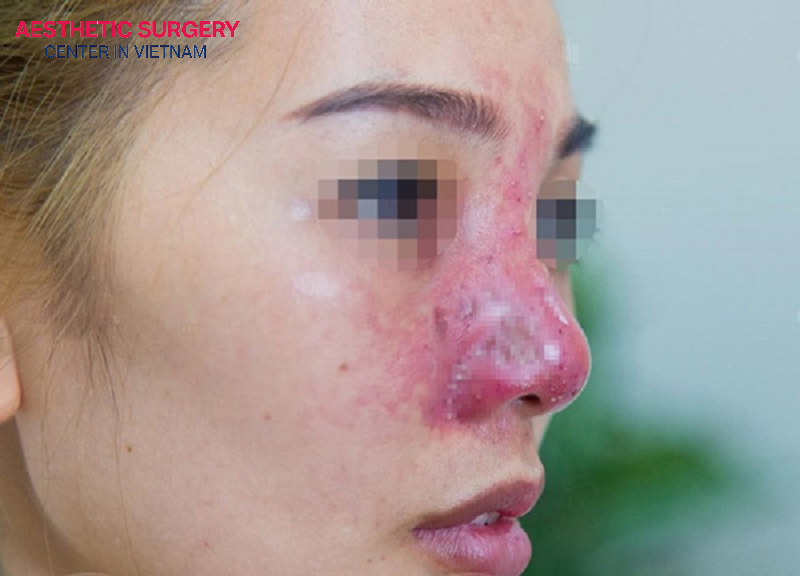
Reaction to implant materials
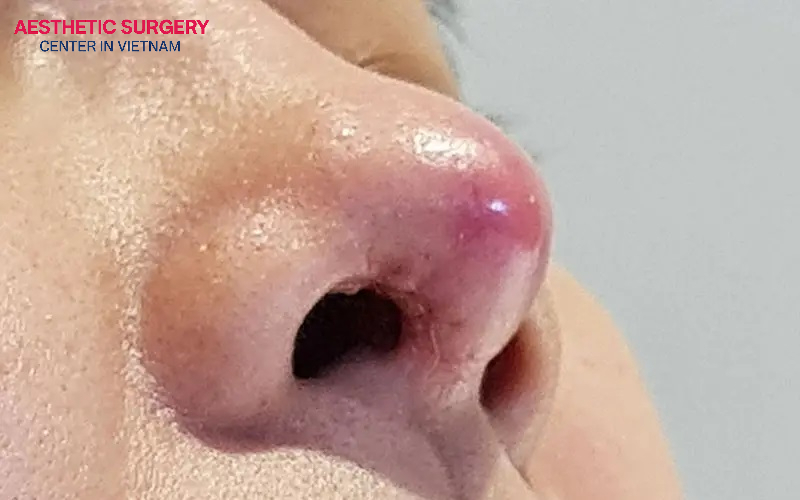
In combined rhinoplasty for a crooked nose, the body may develop a rejection reaction to synthetic implants. Signs include redness, itching, a shiny red nasal tip, or implant exposure. If you have sensitive tissue or the implant material is not of high quality, the risk is higher. In such cases, revision surgery is required to remove the implant and replace it with another method.
How much does it cost to straighten a crooked nose?
In general, the cost of crooked nose rhinoplasty typically ranges from 10 million to 50 million VND. However, this price may vary depending on the nasal condition, surgical technique, surgeon’s expertise, material quality, promotions, and other factors.
To better understand the cost of crooked nose rhinoplasty, you can refer to the detailed pricing for each specific method below:
| Technique | Reference Cost (VND) | Indications |
| Septoplasty | 15,000,000 – 45,000,000 | Applied when the septum is deviated, causing nasal congestion or axis misalignment. |
| Nasal bone rasping / osteotomy | 15,000,000 – 25,000,000 | For crooked noses caused by a large, wide, or rough nasal bone framework. |
| Structural rhinoplasty (new) | 45,000,000 – 75,000,000 | Comprehensive reconstruction to correct deviation and create an S-line or L-line shape. |
| Revision rhinoplasty for crooked nose | 50,000,000 – 120,000,000 | More complex due to scar tissue treatment and replacement of old materials. |
| Autologous rib cartilage rhinoplasty | 80,000,000 – 160,000,000 | For severe deviation, nasal deformity, or patients with sensitivity to synthetic implants. |
Rhinoplasty crooked nose address in Vietnam
After reviewing the information above, you may realize that crooked nose rhinoplasty is a complex procedure. If performed incorrectly, it can lead to the risks mentioned earlier. Therefore, the safest solution is to choose a reputable aesthetic clinic in Vietnam. In Vietnam, the cost of rhinoplasty crooked nose is significantly lower than in countries such as the United States, Korea, or Japan. Among many aesthetic clinics in Vietnam, you can consider crooked nose rhinoplasty at Aesthetic Surgery Center in Vietnam for the following reasons:
Highly qualified and experienced surgeons
At Aesthetic Surgery Center In Vietnam, crooked nose correction procedures are performed by licensed surgeons with many years of experience in nasal reconstruction. They are not only skilled in aesthetic rhinoplasty techniques but also have in-depth knowledge of nasal bone and septal anatomy. This allows them to accurately diagnose whether the deviation is caused by congenital factors, trauma, or failed surgery, and provide the most suitable treatment plan for each patient.
Advanced and minimally invasive surgical technology
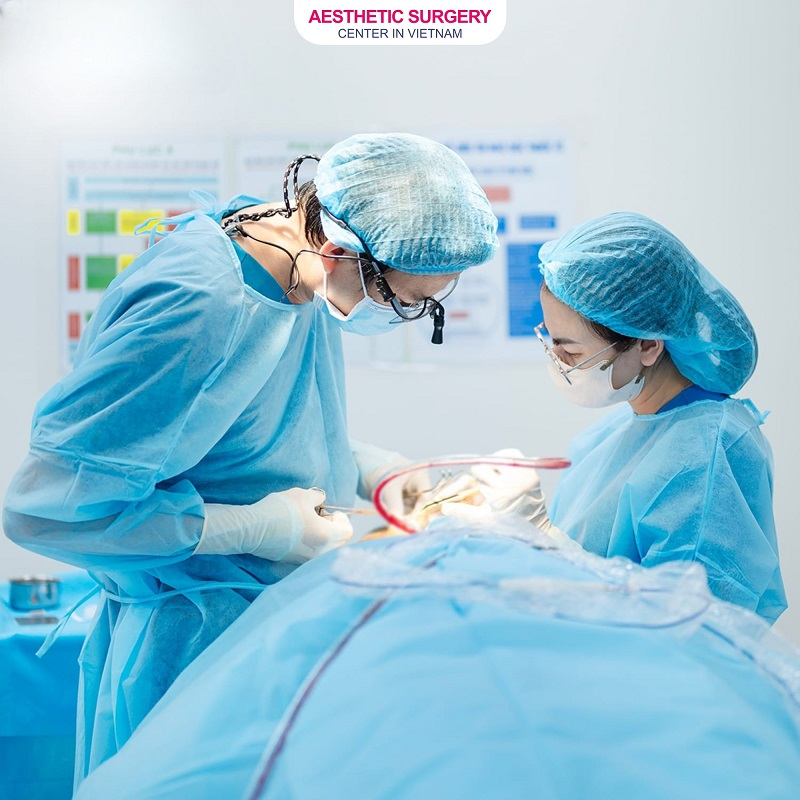
Aesthetic Surgery Center In Vietnam invests in modern aesthetic technology to minimize risks and help patients navigate the various rhinoplasty swelling stages with ease. The application of 3D imaging technology allows patients to preview post-surgery results and helps surgeons perform precise adjustments down to the millimeter. In particular, techniques such as structural rhinoplasty and ultrasonic bone shaving enable gentle correction of deviated bone and cartilage, reducing post-operative swelling and discomfort.
Medical-standard safety protocol and transparent warranty policy
All procedures are performed in a one-way sterile operating room that meets strict Ministry of Health standards to prevent cross-infection. Aesthetic Surgery Center In Vietnam uses high-quality synthetic implants with clear origin and high biocompatibility. In addition, the center provides a clear warranty policy and dedicated post-operative care, ensuring long-term stability and natural results after crooked nose rhinoplasty.
5-star aesthetic environment
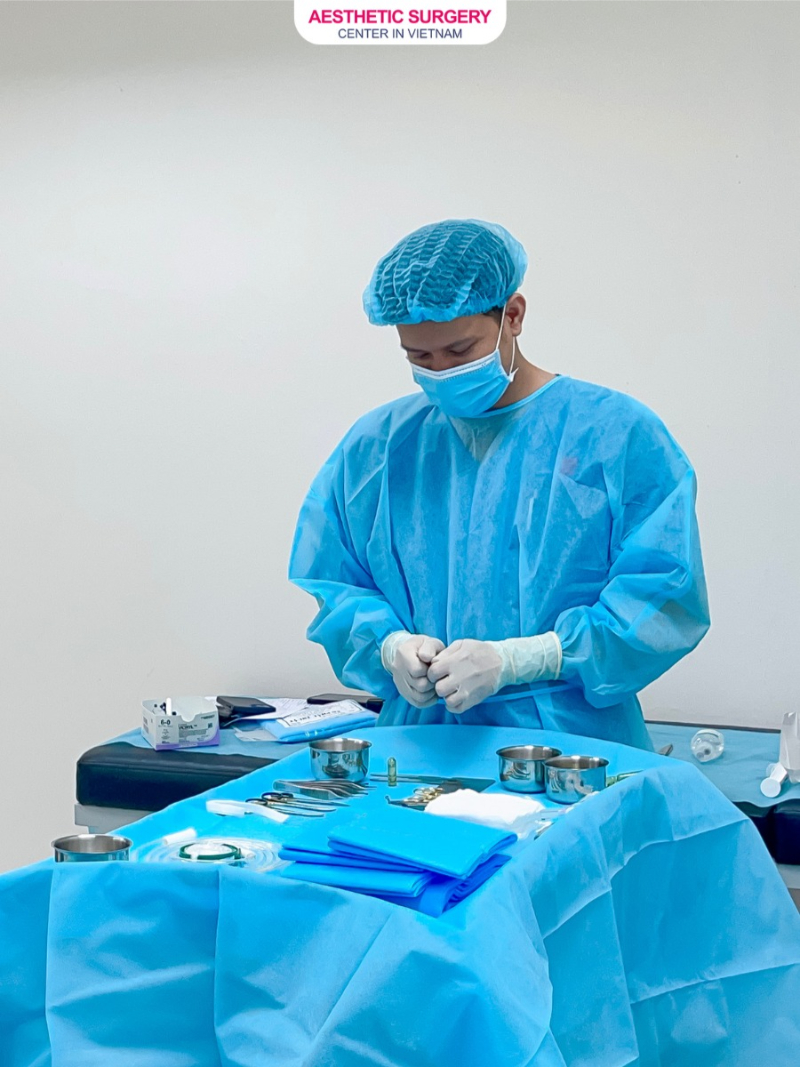
Aesthetic Surgery Center in Vietnam impresses patients from the moment they enter with its modern, luxurious, yet welcoming architectural design. The entire operating system is built to one-way sterile standards to completely prevent cross-infection. Every detail, from scent to music, is carefully arranged to help patients relax before undergoing the procedure.
Always using premium rhinoplasty materials
In addition to skilled surgeons and advanced technology, Aesthetic Surgery Center in Vietnam ensures that all rhinoplasty materials used throughout the system are premium imported products with clear origin and high compatibility with the nasal structure. Therefore, patients can feel confident choosing crooked nose correction services here without worrying about potential risks.

Attractive promotions and financial support programs
To help patients access high-end beauty services without financial pressure, Aesthetic Surgery Center in Vietnam regularly offers major promotions with discounts of up to 40%–50% for structural rhinoplasty or revision rhinoplasty during holidays and special events. In addition, Aesthetic Surgery Center in Vietnam partners with reputable banks to provide 0% interest installment plans. You can choose flexible payment by credit card without additional fees, making your beauty transformation more accessible.
With these advantages, you can confidently choose crooked nose correction at Aesthetic Surgery Center in Vietnam without worrying about risks or costs. Please contact (+84) 916 189 447 for detailed consultation from our team.
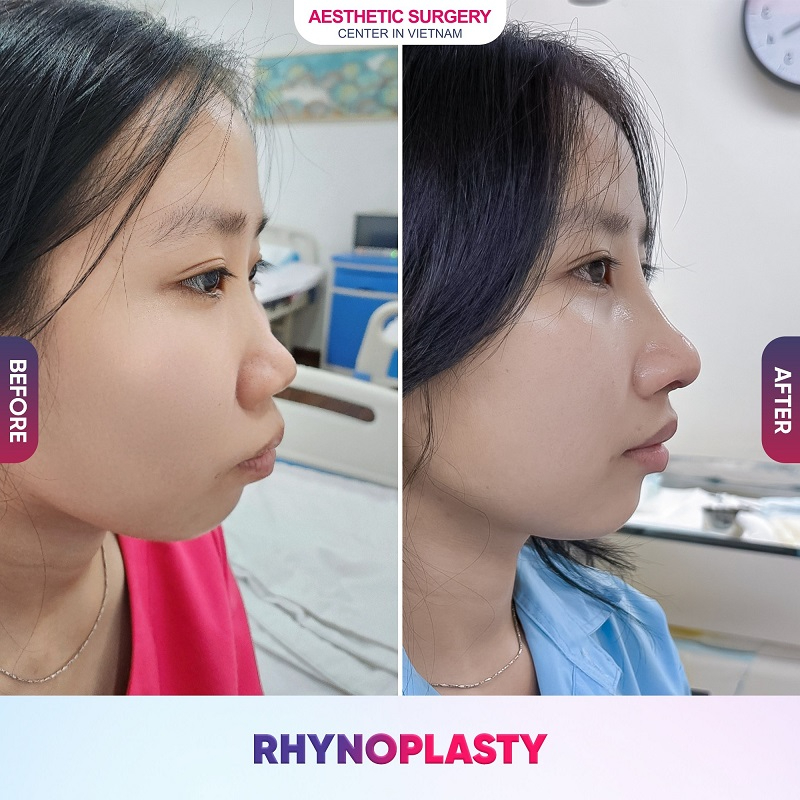
Through the information shared about crooked nose rhinoplasty, you now have a deeper understanding of this aesthetic procedure. More importantly, when choosing rhinoplasty crooked nose, selecting the right clinic is essential. You should prioritize reputable aesthetic centers with strong credibility and experienced, highly skilled surgeons in the field of cosmetic surgery.
>>> See more: Rhinoplasty clinic in Vietnam

















Comment on the post