



With today’s advancements in cosmetic procedures, liposuction has become a popular solution for removing excess fat quickly while delivering long-lasting results. However, alongside the clearly visible and immediate improvements, many people still wonder: Is liposuction permanent? In this article, Liposuction Experience will provide a detailed analysis of how long liposuction results can last and reveal key factors to help you maintain your post-procedure physique over the long term.
Is liposuction permanent? Can you gain fat again after the procedure?
Is liposuction permanent? Liposuction is a procedure designed to remove targeted fat cells from specific areas of the body. While there are various procedures, all share the same principle: using a medical-grade cannula combined with suction technology to extract fat from beneath the skin. Once adipocytes are removed, they cannot regenerate in the same area, which is why liposuction is considered a long-term solution for body contouring and aesthetic enhancement.
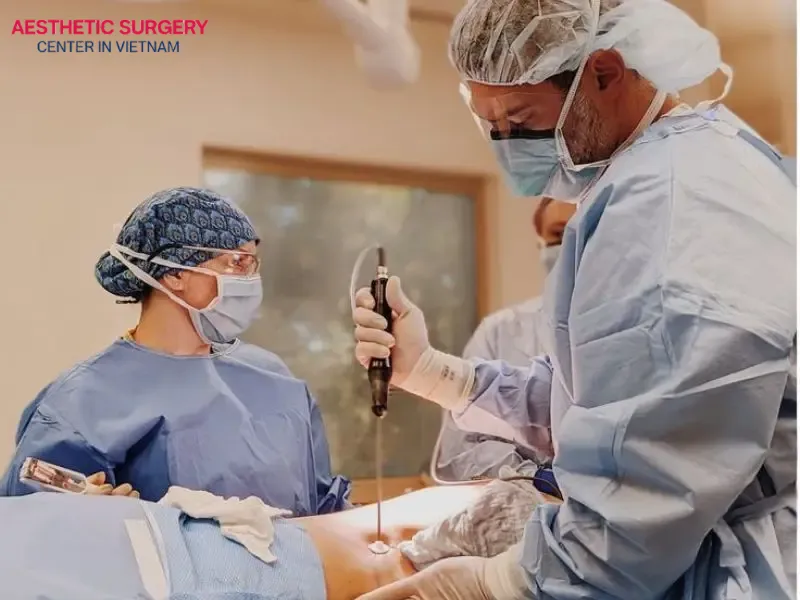
However, weight gain is still possible after liposuction. Although the removed adipocytes don’t grow back, the remaining ones in the body can expand if you consume more calories than you burn. In cases of significant weight gain, new adipocytes may also develop, including in previously treated areas, though fat accumulation there tends to be less due to the reduced number of adipocytes.
Areas that are most likely to experience changes over time
Although liposuction permanently removes adipocytes, certain areas of the body may still change over time, especially when the body undergoes fluctuations such as weight gain, aging, or hormonal imbalances. Abdomen, thighs, back, and arms are particularly sensitive to metabolic changes and can experience fat reaccumulation even after liposuction. Understanding the specific characteristics of each treated area post-liposuction helps you care for your body properly and maintain the long-term aesthetic results of the procedure.
Abdomen
The abdomen is a common area for liposuction, with results that can last for years if you follow proper post-op care and doctor instructions. However, it is also a high-risk zone for fat reaccumulation, particularly in the lower belly and waist. Causes may include poor diet, weight gain, or hormonal changes of menopause.
To maintain results, monitor your weight and maintain a healthy diet with regular core-focused exercises.
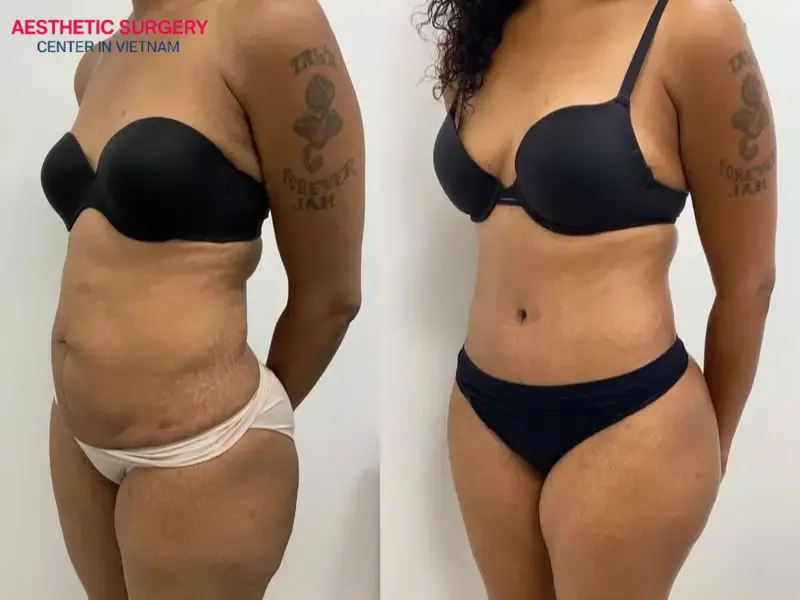
Thighs and hips
The thighs and hips often contain dense, stubborn fat that is difficult to eliminate through conventional methods like diet and exercise. This makes thigh liposuction a popular option for improving body proportions and enhancing natural curves in these specific areas. However, the long-term results of the procedure can be affected over time by significant weight gain. Additionally, genetic predisposition and hormonal factors continue to influence the redistribution of fat in these areas post-surgery.
To maintain long-term results, it’s essential to combine weight control, hormonal balance, and targeted muscle training focused on the hips and thighs.
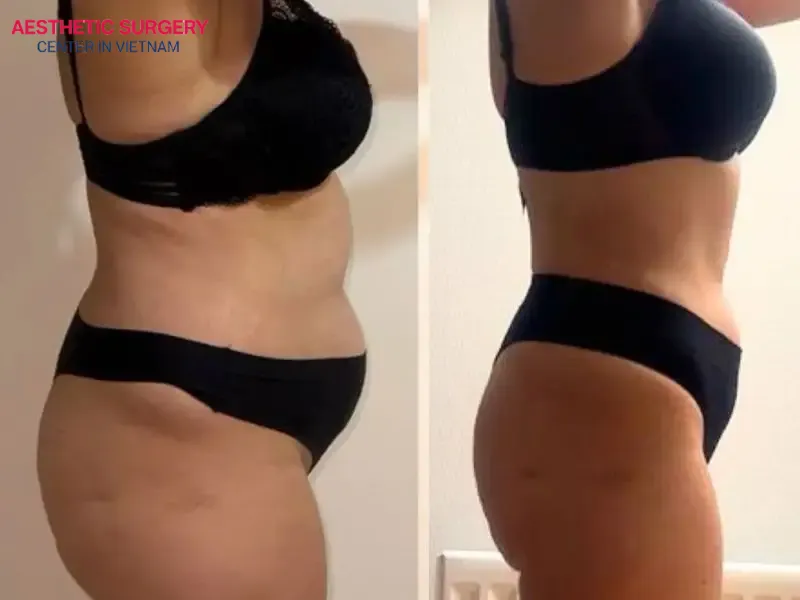
Arms
Arm liposuction helps remove excess fat and reshape the upper arms, creating a more slim and toned contour. However, over time, natural aging and reduced skin elasticity can affect the aesthetic outcome. If the skin lacks sufficient elasticity after liposuction, the arms may develop mild sagging or looseness.
To prevent this, combine the procedure with advanced skincare, collagen supplementation, and consistent strength training to maintain the firmness and the long-lasting results.
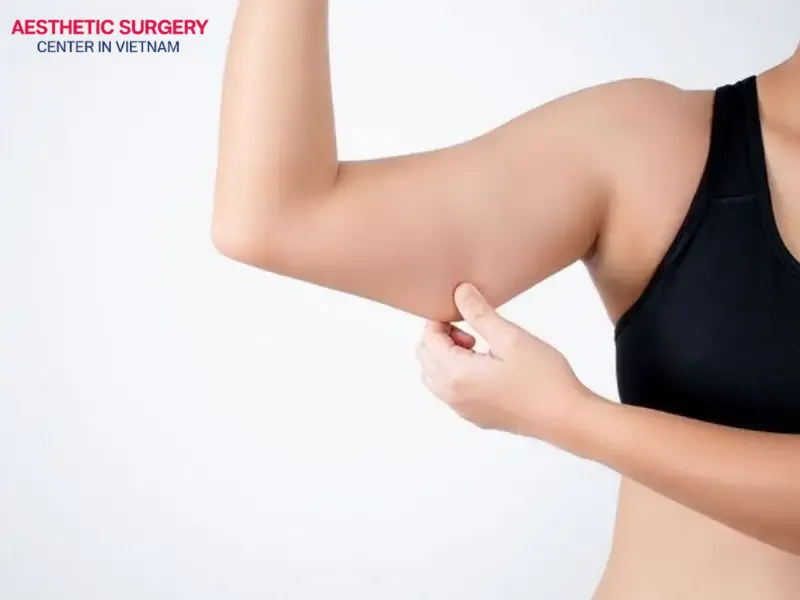
Back
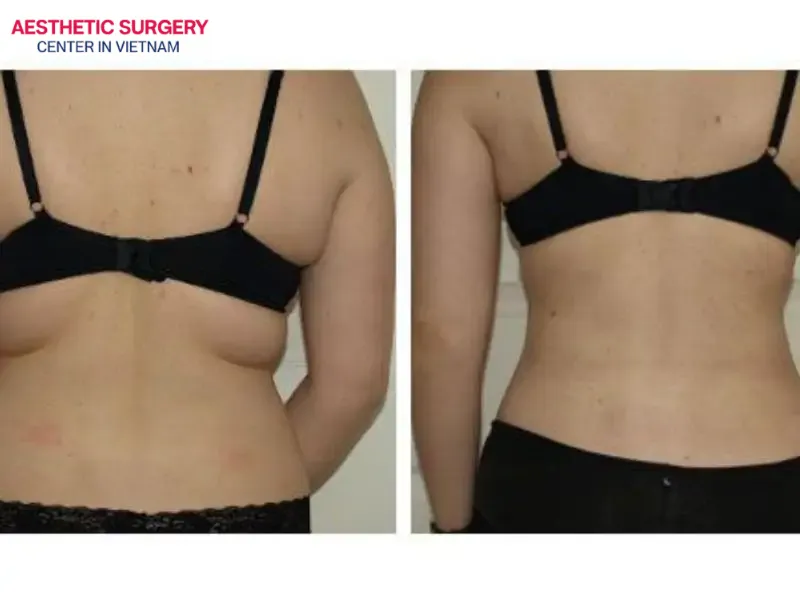
Back fat commonly accumulates in the form of stubborn fat bands along the spine or under the armpits, which can be both unaesthetic and difficult to eliminate naturally. Back liposuction is an effective solution to remove dense subcutaneous fat, smooth the surface, and create a more seamless contour between the shoulders and waist. However, weight gain after the procedure can still affect the results, as the remaining adipocytes may enlarge, reducing the overall slimness and definition achieved through treatment.
To maintain long-term results after back liposuction, keep a stable weight and incorporate targeted exercises for back muscles, especially the lats and mid-back, to preserve firmness and prevent fat from returning to the area.
Read more: What makes liposuction for men different from liposuction for women?
How long do the results of liposuction last?
According to aesthetic experts, the answer to “how long does liposuction last” can range from 5–10 years or even a lifetime. This depends entirely on your lifestyle, diet, and physical activity after the procedure. To better understand the timeline, the results can be divided into three stages:
Stage 0–6 Months: “Body contouring and stabilization”: During this period, the body is in the process of liposuction recovery time and stabilization.
- Months 1–3: The body may still experience swelling and edema, and the treated areas can feel firm. You may not see the final contours immediately.
- Months 3–6: This is when the results become most visible. The skin starts to tighten and adapt to the underlying muscles, and body contours become more defined. This is the period when you look your best.
Stage 1–5 years: “The golden period”
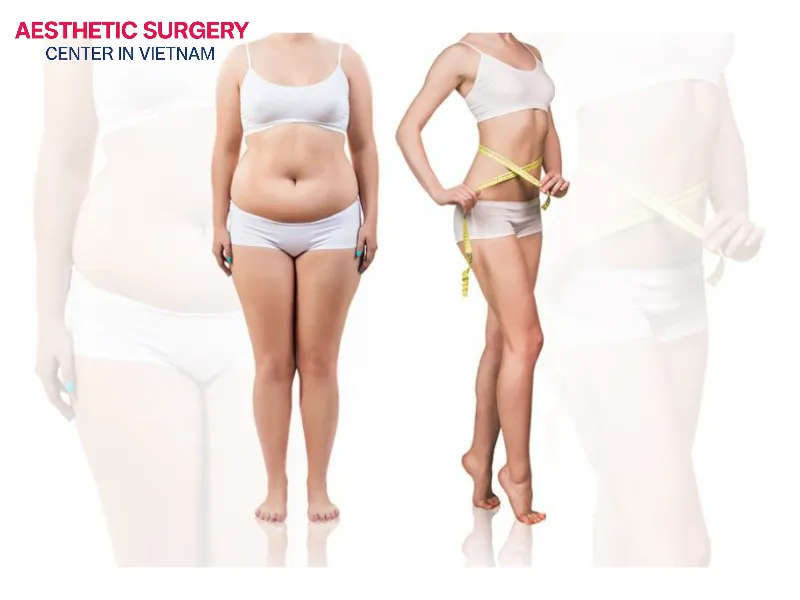
If you maintain a stable weight, with fluctuations of no more than 3–4 kg, the aesthetic results can remain almost unchanged during this period. Because fat cells in the treated areas have been removed, these areas are much less likely to accumulate fat again. If you gain a small amount of weight, fat tends to be stored first in untreated areas such as the breasts, face, or hips, helping the abdomen or thighs remain slim.
Stage 5–10 years and beyond: “Natural aging phase”
After many years, even if fat does not return, the appearance of the treated areas may change due to the natural aging process. The gradual loss of collagen causes the skin of the abdomen, arms, or thighs to lose firmness, leading to wrinkles or sagging, especially in perimenopausal women. In addition, weakened abdominal muscles can make the abdomen appear larger, even when the layer of subcutaneous fat is very thin.
Factors that affect the duration of liposuction results
Based on the information above, liposuction can be seen as a “lifesaving” solution that helps women achieve a balanced, harmonious, and desirable body shape without strict dieting or intense exercise. However, how long liposuction results last depends on several factors, such as the liposuction technique, the surgeon’s skill, post-operative care, natural aging, and daily habits. Details are as follows:
Genetics and individual body type
Genetics determine your natural “fat distribution map” and your body’s ability to recover. Each person is born with a fixed number of fat cells and preferred areas for fat storage. For those whose excess fat affects body shape, liposuction helps remove fat cells in targeted areas but cannot change genetic factors.
If you are prone to keloid scarring or fibrous tissue formation, the treated areas may remain firm or uneven under the skin for a long time instead of becoming soft and smooth. In addition, whether your body heals easily or not affects how quickly the inflammation around liposuction scars subsides, typically within 1–3 months, which directly influences when you see the final body contour.
Technique and surgeon’s skill
The surgeon’s technique and expertise determine whether the skin surface after liposuction is smooth or uneven. An experienced surgeon knows how to remove fat evenly at different tissue depths to avoid irregular contours. More importantly, modern techniques not only break down fat but also use thermal energy to stimulate collagen production, helping the skin tighten more effectively.
If fat is removed too close to the skin surface or if the blood supply to the skin is damaged, the area may experience prolonged bruising, mild tissue damage, or permanent skin laxity. This can compromise aesthetic results even when the fat has been successfully removed.

Post-liposuction care
Liposuction results are only fully visible after 3–6 months, and this period depends entirely on proper post-operative care. Wearing compression garments is not only for reducing swelling but also to help the skin adhere tightly to the underlying muscle layer.
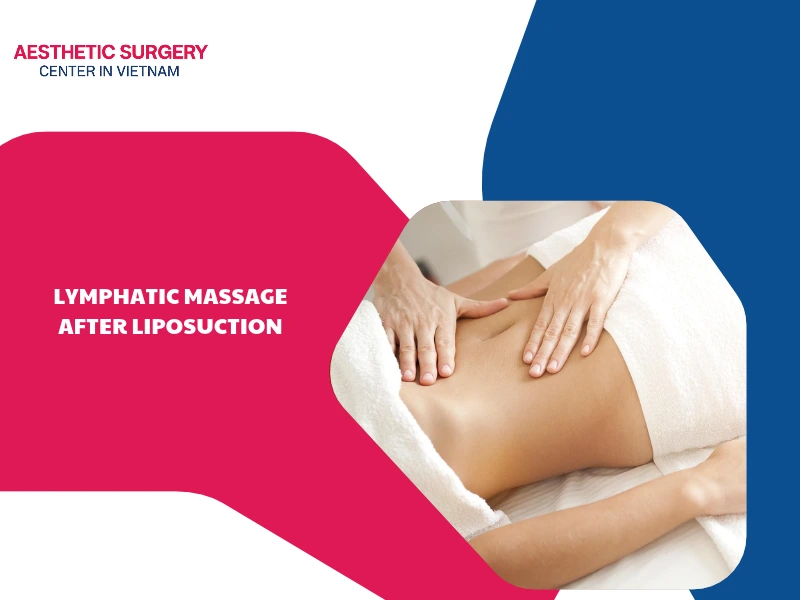
If you neglect to wear compression garments or use the wrong size during the first 1–2 months, the space between the skin and muscle may fill with serous fluid or fibrous scar tissue. This can cause the abdomen to feel firm, uneven, or lumpy rather than smooth. Proper lymphatic drainage massage also helps the treated area soften faster and effectively prevents fibrosis after lipo, a common concern where the tissue feels hard or restricted. Therefore, the longevity of liposuction results depends greatly on consistent post-operative care and monitoring.
Weight fluctuations
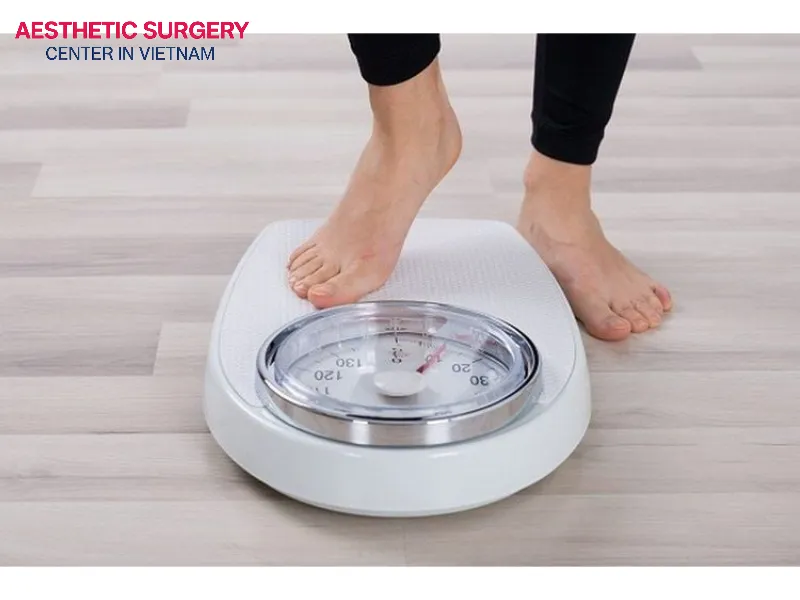
Maintaining a stable weight is the “insurance” for long-lasting liposuction results. Although fat cells have been removed, the remaining cells, even in small numbers, can still expand up to 50–60 times their original size if you consume excess calories.
More concerning, sudden weight gain can trigger the body’s survival mechanism, causing fat to accumulate in untreated areas such as the back, upper arms, or as visceral fat. In this case, overall body balance is lost—the abdomen may remain relatively small, but the body can appear bulky and less aesthetically pleasing in a different way.
Aging and skin elasticity
Liposuction removes excess fat, but whether the skin can tighten depends on its elasticity. In younger people, the skin retracts quickly like a rubber band. Over time and with aging, the collagen network breaks down and the skin becomes looser. If liposuction is performed when the skin has poor elasticity or many stretch marks, the skin may not fully retract after fat removal and can sag, forming folds. In these cases, liposuction alone does not maintain long-term aesthetic results and is often combined with surgical skin tightening.
Lifestyle habits
Daily lifestyle habits quietly determine whether you maintain your results for one year or ten years. A diet high in sugar and refined carbohydrates stimulates insulin and accelerates fat accumulation. In particular, alcohol consumption and staying up late increase cortisol levels, a key factor in visceral fat storage.
However, regular exercise helps maintain liposuction results for a longer time. Exercise not only burns calories but also tones the muscles. Firm abdominal muscles act as a strong support frame, making the treated area look flatter and more well-defined compared to those who undergo liposuction without exercising.

How to keep your liposuction results?
To ensure your liposuction results are stable and long-lasting, it’s essential to adopt a healthy, science-based lifestyle that includes weight control, skin care, and proper physical activity. These habits not only help you maintain your post-surgery figure but also reduce the chances of complications or outcomes often associated with liposuction gone wrong. Below are key tips to help you preserve your results and minimize the risk of fat returning.
Maintain a balanced, calorie-conscious diet
Your eating habits are important in keeping your weight stable and preventing fat from returning. Focus on nutrient-rich, low-calorie foods, such as:
- Lean proteins: chicken breast, salmon, eggs, soybeans
- Fruits and vegetables: rich in fiber, vitamins, and minerals
- Whole grains: stabilize blood sugar and help control hunger
- Healthy fats: olive oil, avocado, almonds – support lipid metabolism.

Also, limit your intake of processed foods, refined sugars, and saturated fats, which can accelerate unwanted fat buildup and compromise the aesthetics of your liposuction results.
Stay hydrated
Proper hydration is often overlooked but plays a major role. Drinking 2 to 2.5 liters of water per day can:
- Improve skin elasticity and help firm up the treated areas
- Boost detoxification and fat metabolism
- Reduce cravings and help you control portion sizes.
Combine cardio and strength training
After liposuction, it’s important to maintain a regular exercise routine that includes both cardiovascular activities and muscle-building exercises. This helps burn calories, rebalance your muscle-to-fat ratio, and firm up treated areas. Recommended exercises include:
- Cardio workouts: running, cycling, and swimming for effective calorie burning.
- Weight training and resistance exercises: stimulate muscle growth, boost basal metabolism, and support the skin structure post-liposuction, helping reduce sagging.
Aim to exercise at least 3-5 times/week to preserve your liposuction results over time.
Attend regular follow-up appointments with your doctor
Don’t skip your post-operative check-ups. Your doctor not only monitors your recovery progress but also provides timely advice if there are signs of uncontrolled weight gain or unusual fat distribution. Regular follow-ups also help detect and address potential complications early, ensuring your liposuction results are maintained at their best.














Comment on the post